
Meal Planning
Five Dinners, One Smart Grocery List
A realistic week of overlapping ingredients that does not feel like eating the same meal five times.
See the guide →DishGal Kitchen Picks
29 practical guides—including 27 product-focused picks—built around capacity, materials, cleanup, storage, and the jobs your kitchen actually needs done.
The complete library
No invented tests, star ratings, or universal winners—just clear criteria and tradeoffs.
A realistic week of overlapping ingredients that does not feel like eating the same meal five times.
See the guide →
Stop planning 30 different dinners. Build eight reliable formats and rotate the flavors.
See the guide →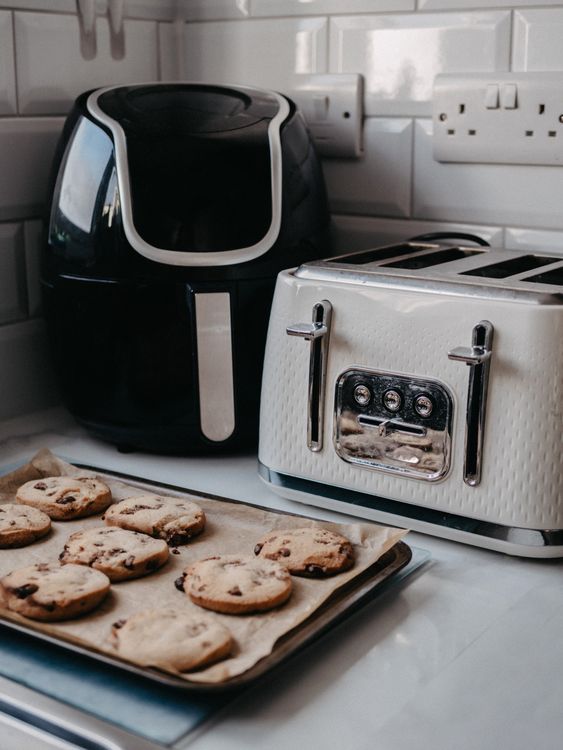
Capacity labels are confusing. Here is how to choose based on the food you cook, not the number printed on the box.
See the guide →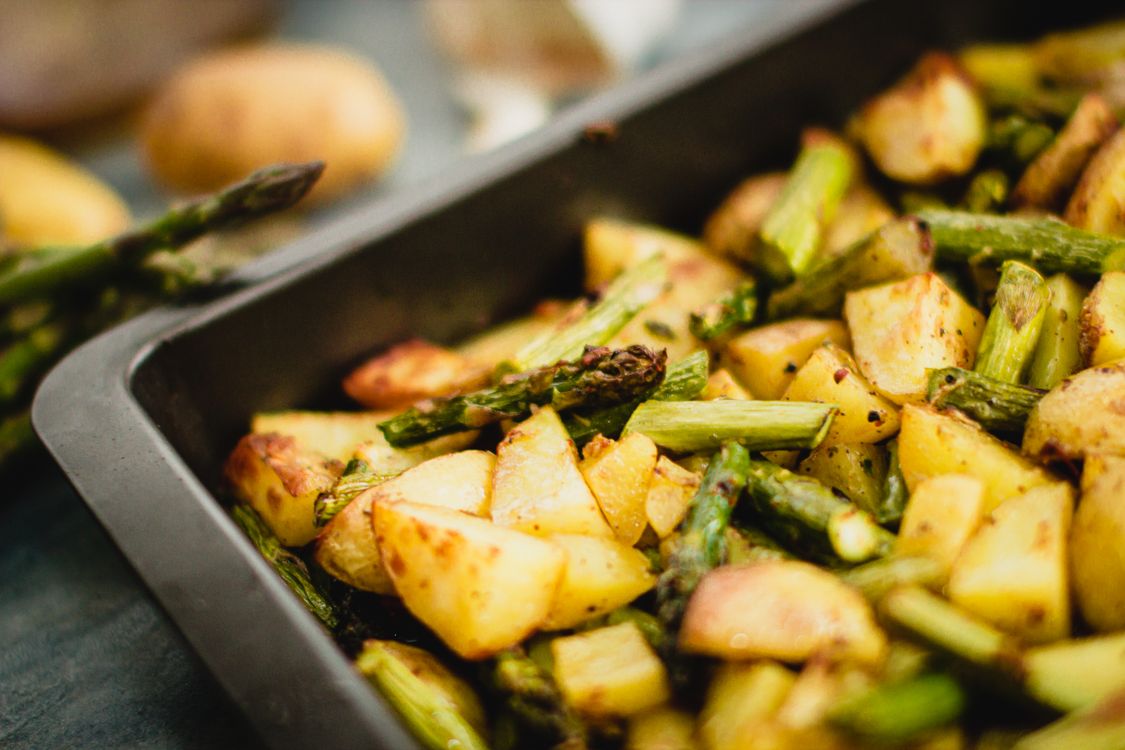
Why rim height, metal color, and actual dimensions matter more than a fancy brand name.
See the guide →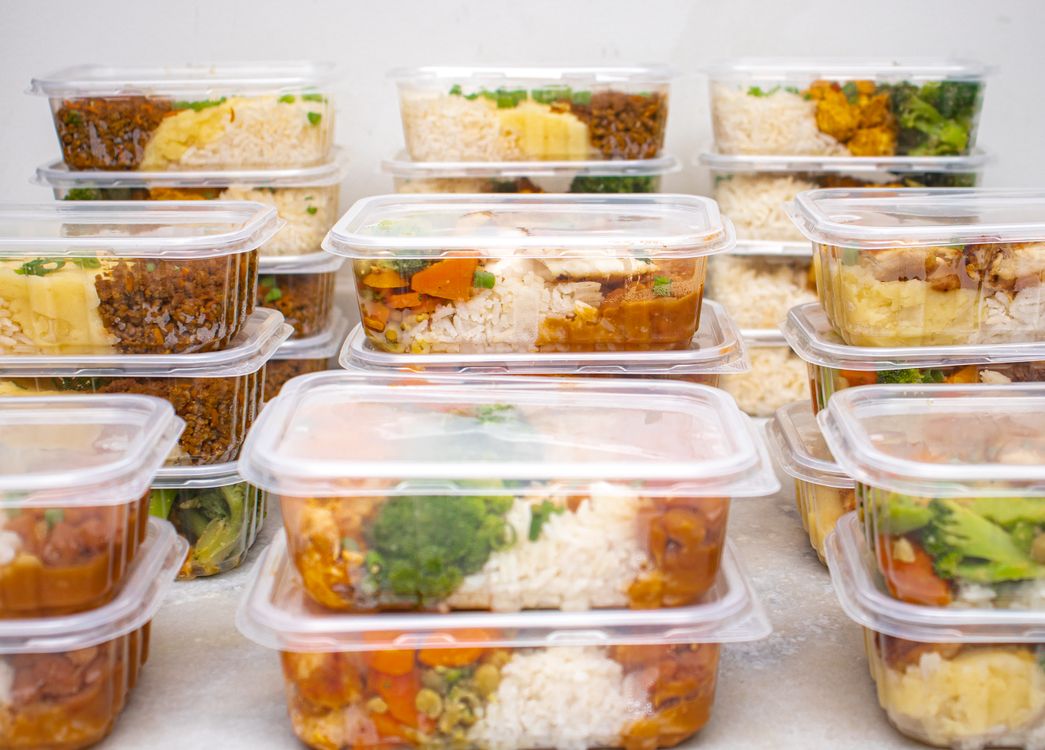
A simple container system that stacks, reheats, and does not require matching 47 mystery lids.
See the guide →
The useful differences in size, shape, steel, grip, and maintenance—without pretending the most expensive knife is automatically best.
See the guide →
Choose a board that stays put, protects your knife edge, and fits the way you clean up.
See the guide →
A practical guide to pan size, coating, heat limits, and why nonstick cookware should not be a lifetime purchase.
See the guide →
What cast iron does well, what it does poorly, and how to maintain it without turning dinner into a restoration project.
See the guide →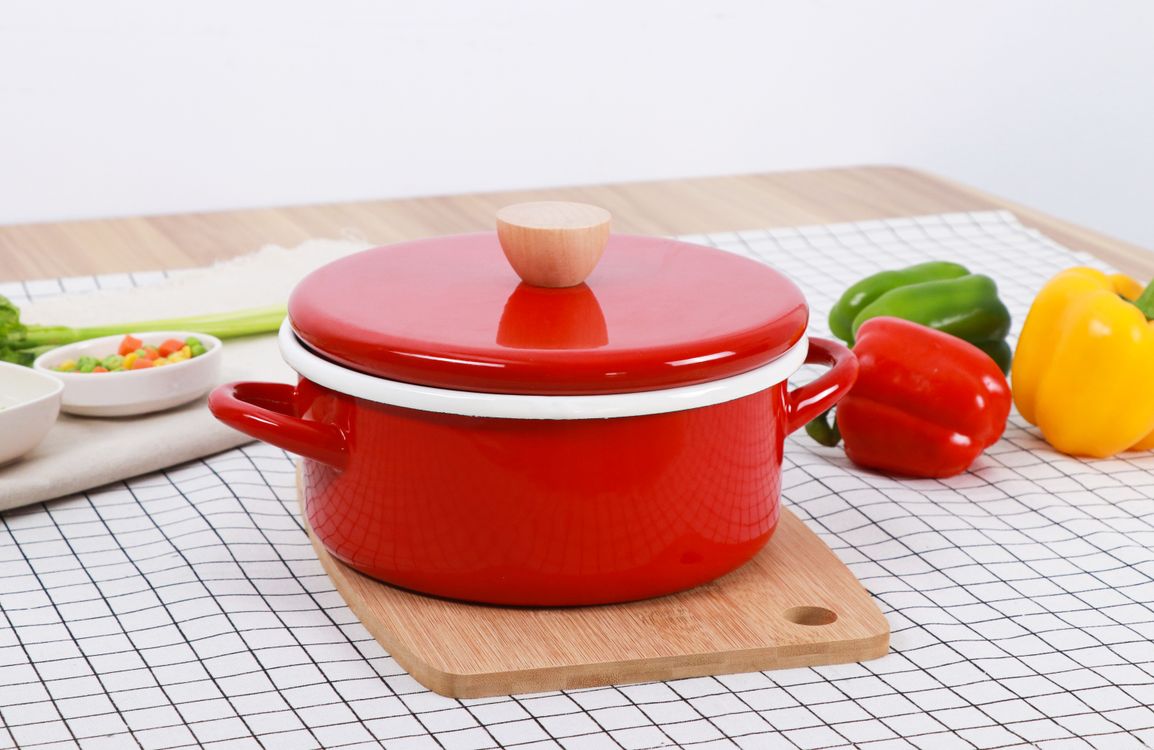
Pick a Dutch oven for the portions you cook, the lifting you can manage, and the recipes you repeat.
See the guide →
Build a useful pan collection around actual meals instead of paying for matching pieces that never leave the cabinet.
See the guide →
Smoothies, soups, nut butter, and frozen drinks place very different demands on a blender.
See the guide →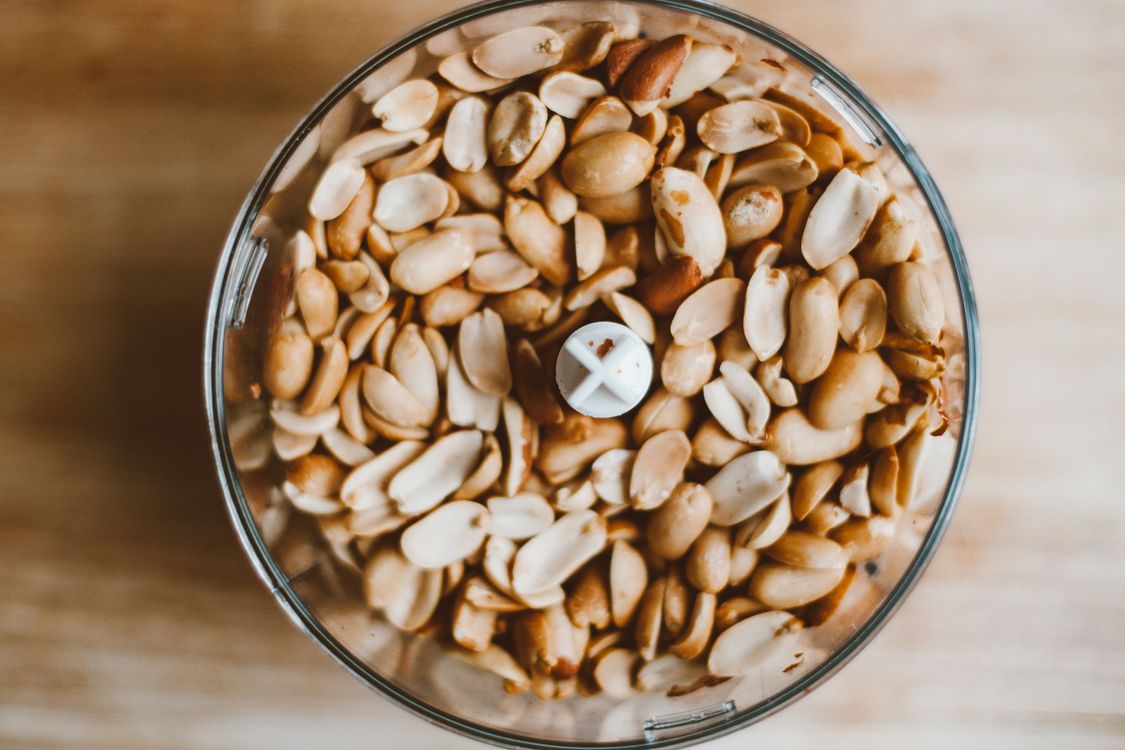
Match bowl capacity and attachments to the chopping, shredding, dough, and batch work you actually do.
See the guide →
Choose capacity and controls around the rice you eat—not the longest feature list.
See the guide →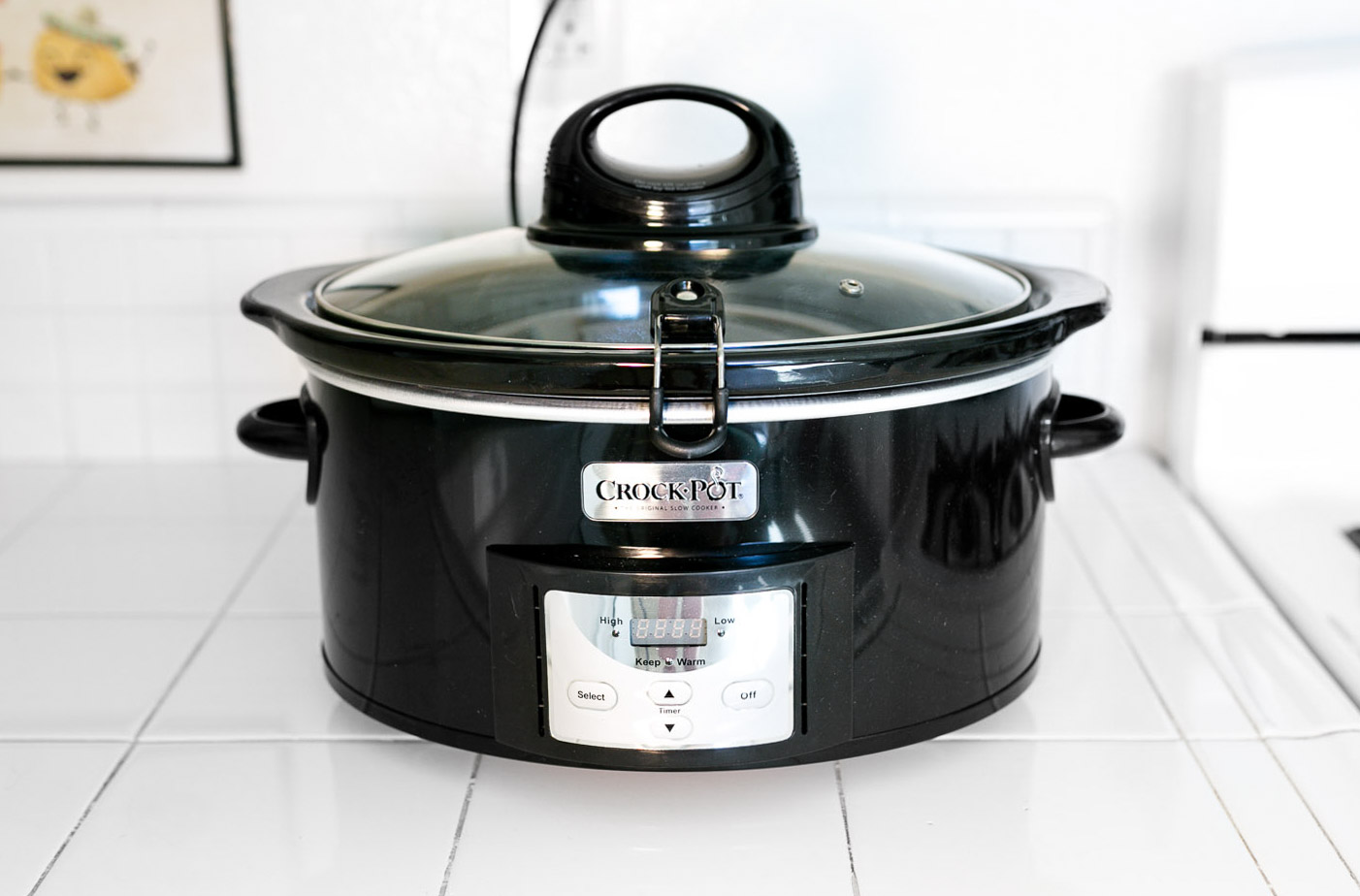
The right crock size depends on how much food fills it safely and whether leftovers are part of the plan.
See the guide →
Basket speed and oven versatility are different strengths. Here is how to decide which belongs on your counter.
See the guide →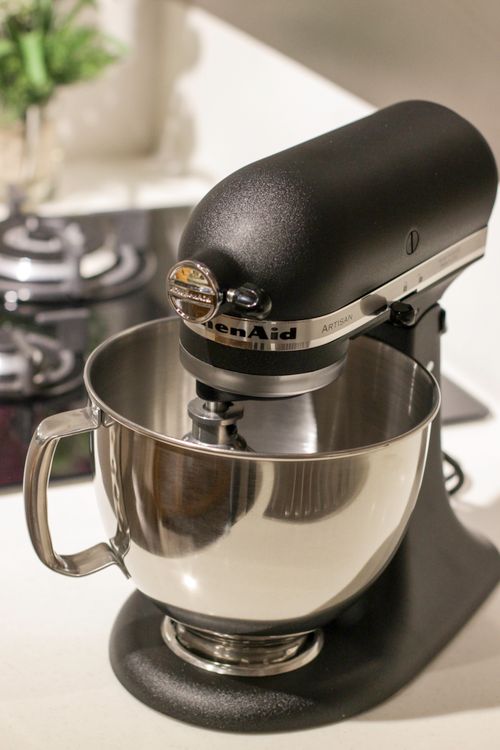
A stand mixer earns its space through repeat baking—not through the number of attachments in an advertisement.
See the guide →
Choose a stick blender for soup, sauces, dressings, and small batches without overbuying attachments.
See the guide →
A thermometer should replace guessing quickly enough that you actually use it at the stove.
See the guide →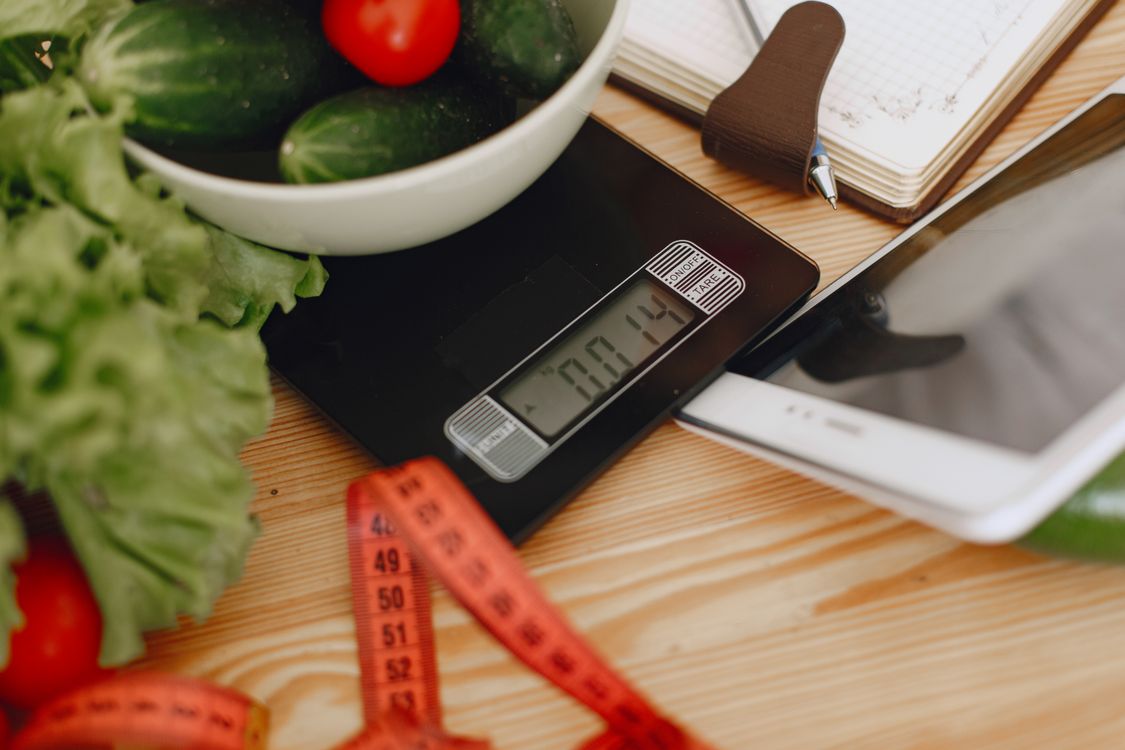
Capacity, resolution, platform size, and a reliable tare button matter more than a long list of unit modes.
See the guide →
A small, well-sized nesting set can handle nearly every prep job without taking over a cabinet.
See the guide →
Pan dimensions, depth, and material can change cook time more than a recipe admits.
See the guide →
Choose appliances by repeated jobs, storage reality, and what they can replace—not by trend.
See the guide →
A compact utensil drawer built around turning, stirring, scraping, serving, and measuring.
See the guide →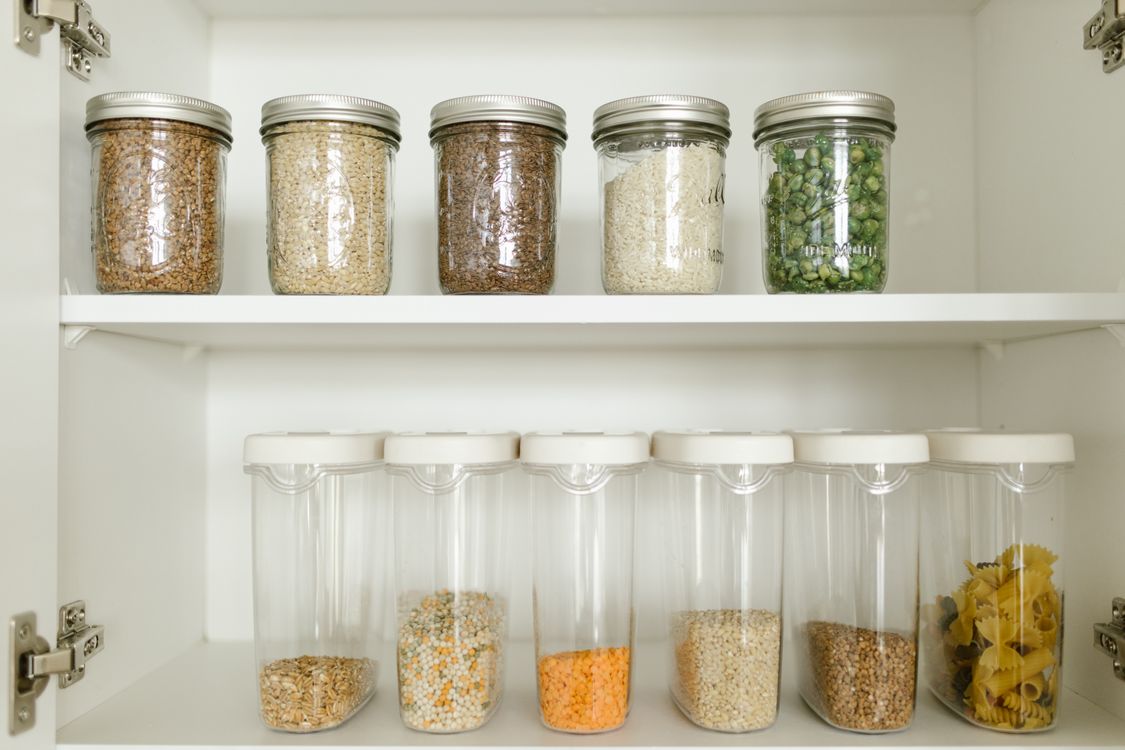
Use containers to protect food and reveal inventory—not to create a second unpaid labeling job.
See the guide →
Use clear zones, an eat-first bin, and containers that fit your shelves instead of chasing a showroom refrigerator.
See the guide →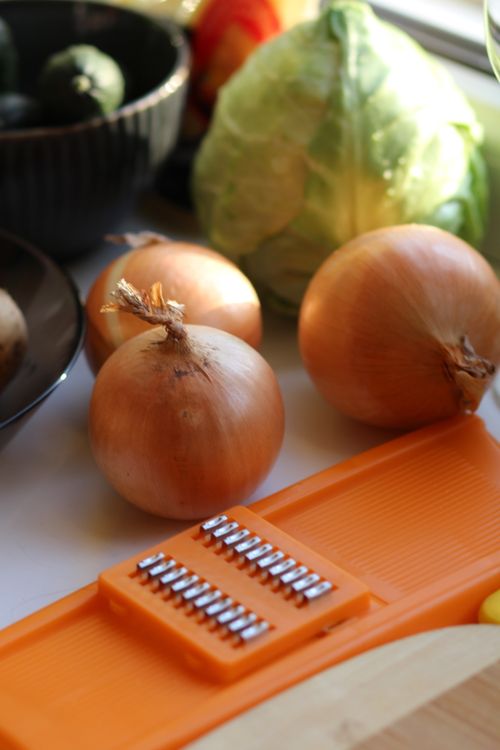
Blade style, thickness control, storage, and hand protection matter more than restaurant-looking slices.
See the guide →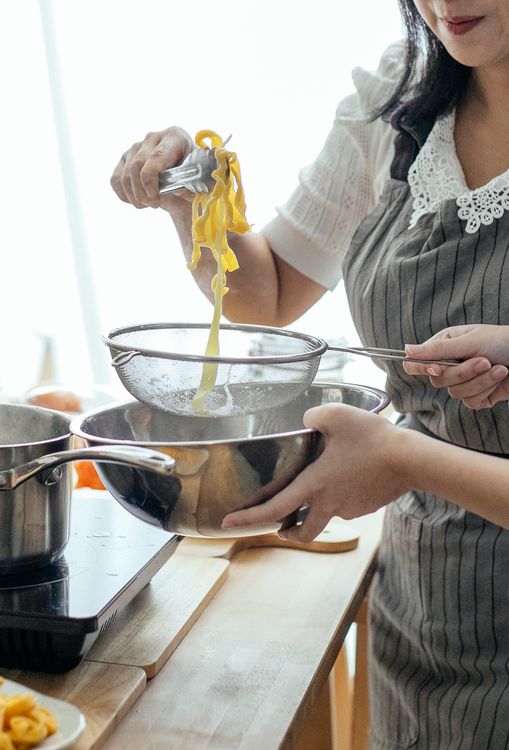
Pasta, rice, stock, rinsed produce, and sauces need different levels of drainage and filtration.
See the guide →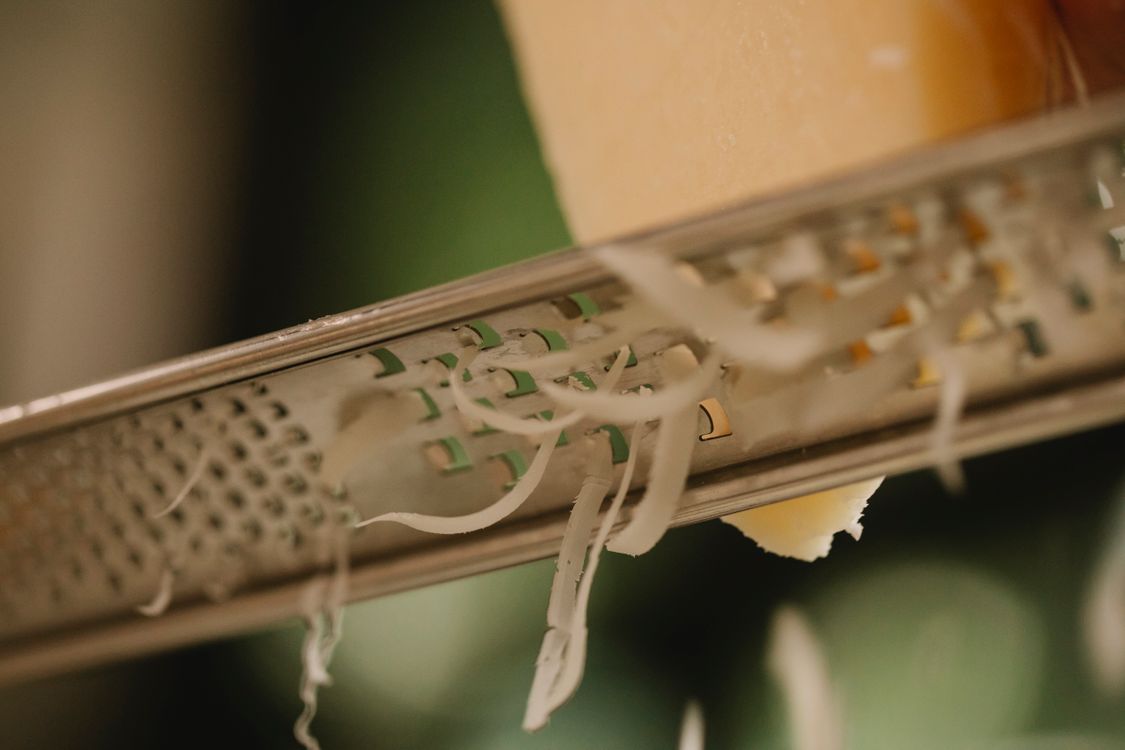
Shredding cheese and zesting citrus are different jobs. Match tooth size and stability to the ingredient.
See the guide →