Use clear zones, an eat-first bin, and containers that fit your shelves instead of chasing a showroom refrigerator.
Visibility beats perfection
The goal is to see what must be eaten, not to move every ingredient into matching acrylic. Keep frequently used food at eye level and avoid stacking opaque containers where labels disappear.
Create an eat-first zone
Use one shallow bin for opened ingredients, ripe produce, and leftovers approaching their limit. Check it before meal planning or ordering food. The bin must remain small enough that items cannot hide behind one another.
Respect temperature zones
Door shelves experience more temperature change and suit condiments better than highly perishable food. Keep raw meat contained on a low shelf to reduce drip risk. Follow appliance guidance for drawers and adjustable zones.
Choose containers for the shelf
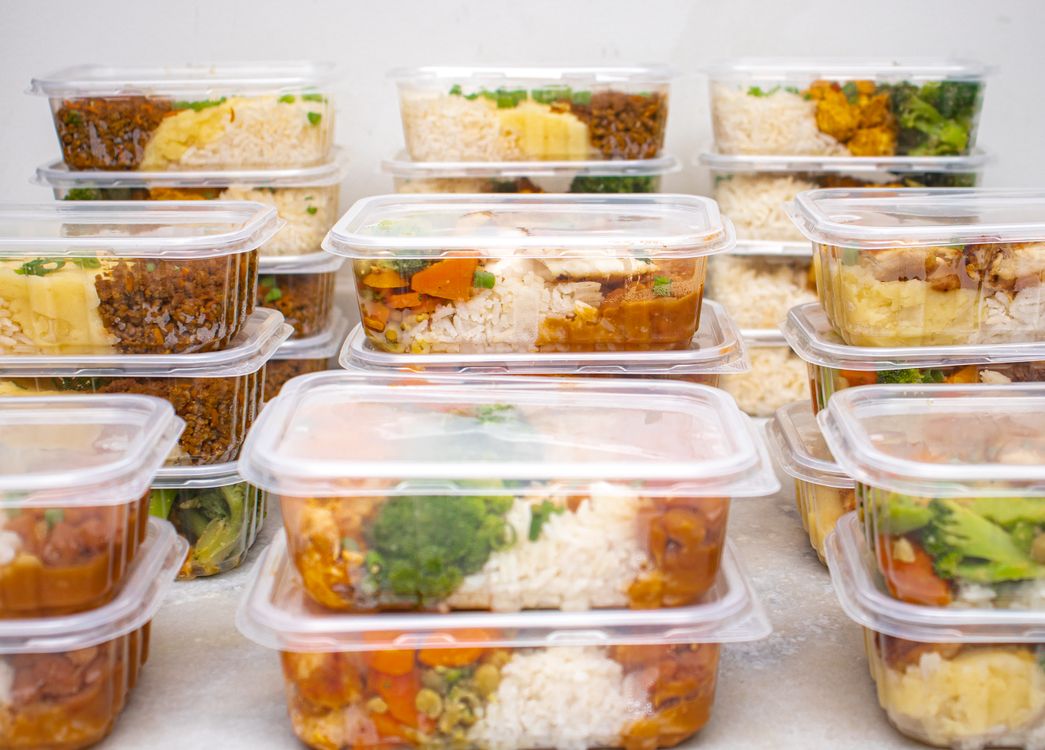
Square and rectangular containers use space efficiently. Low, wide leftover containers cool and reheat more evenly than deep tubs. Measure shelf height and dishwasher capacity before buying a system.
Do not over-bin
Bins help group small items and catch spills, but too many create walls that obscure food and reduce flexible space. Use them for categories with a clear retrieval problem, not every shelf.
Date leftovers clearly
Mark the preparation date where it can be seen without lifting the container. Rotate newer food behind older portions and follow current food-safety guidance rather than relying on smell alone.
Compare the useful options
Use the criteria above first. These links open current Amazon category results, so you can compare specifications, availability, and price.