Match bowl capacity and attachments to the chopping, shredding, dough, and batch work you actually do.
Mini processors
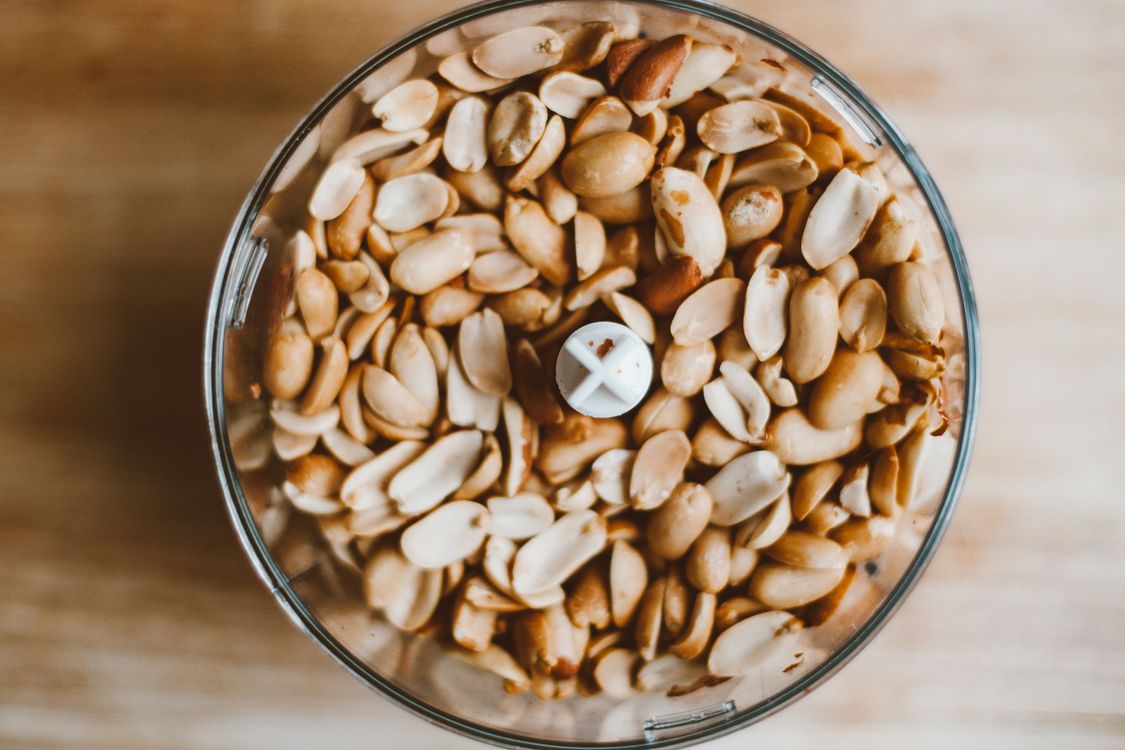
Three- to 5-cup choppers are useful for nuts, salsa, pesto, breadcrumbs, and small aromatics. They are easy to store but do not replace a full processor for slicing vegetables, shredding cheese, or mixing dough.
The practical middle
An 8- to 11-cup processor handles most household batches without taking over the counter. A wider feed tube reduces pre-cutting, and a reversible slicing or shredding disc covers the attachments people use most.
Large-capacity machines
Twelve- to 14-cup bowls suit batch cooking, pie dough, large slaws, and entertaining. They are heavier and need permanent or easily accessible storage to be worth owning.
Usable capacity is lower
Liquids and wet mixtures usually have lower limits than dry ingredients. Read the bowl markings and manual. A large advertised capacity does not mean the machine can safely process that volume of soup or sauce.
Controls should be simple
On, off, and pulse accomplish most tasks. Adjustable slicing can be valuable; dozens of specialized discs often become storage clutter. Confirm that the pusher, lid, and bowl lock together without a frustrating alignment ritual.
Cleaning decides whether it gets used
Look for smooth bowl surfaces and dishwasher guidance that fits your routine. Sharp discs need protected storage. A machine that is easy to assemble and clean will earn more counter time than one with a longer feature list.
Compare the useful options
Use the criteria above first. These links open current Amazon category results, so you can compare specifications, availability, and price.