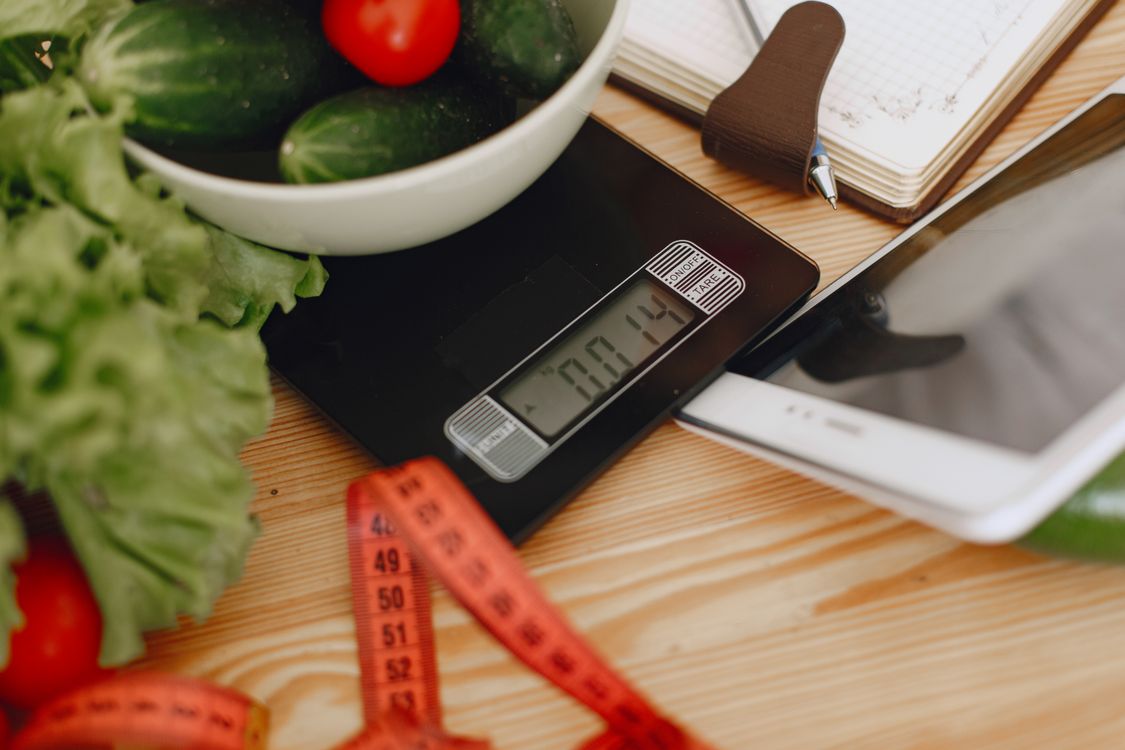
Capacity, resolution, platform size, and a reliable tare button matter more than a long list of unit modes.
Why weigh ingredients
Weight improves repeatability in baking, coffee, portions, and recipe scaling. It also reduces dishes because ingredients can be added to one bowl using tare between additions.
Everyday resolution
One-gram increments are sufficient for flour, sugar, vegetables, and most cooking. Tiny amounts of yeast, salt, or coffee adjustments may benefit from a separate 0.1-gram pocket scale rather than forcing one device to do both jobs.
Capacity and platform
A capacity around 5 kilograms or 11 pounds covers common household bowls and pans. The platform should support your mixing bowl without hiding the display; pull-out displays can help with oversized vessels.
Tare should be immediate
The tare function must respond predictably and leave enough capacity for the remaining ingredients. Some scales count the bowl’s weight against maximum capacity, so extremely heavy vessels can reduce usable range.
Auto-off can interrupt recipes
Longer auto-off periods help when measuring several ingredients. A scale that sleeps too quickly can lose the running total during slow prep. Check whether the timeout is adjustable.
Cleaning and power
A smooth platform is easier to wipe than exposed buttons and seams. Standard replaceable batteries are simple; rechargeable scales reduce battery purchases but add charging management.
Compare the useful options
Use the criteria above first. These links open current Amazon category results, so you can compare specifications, availability, and price.