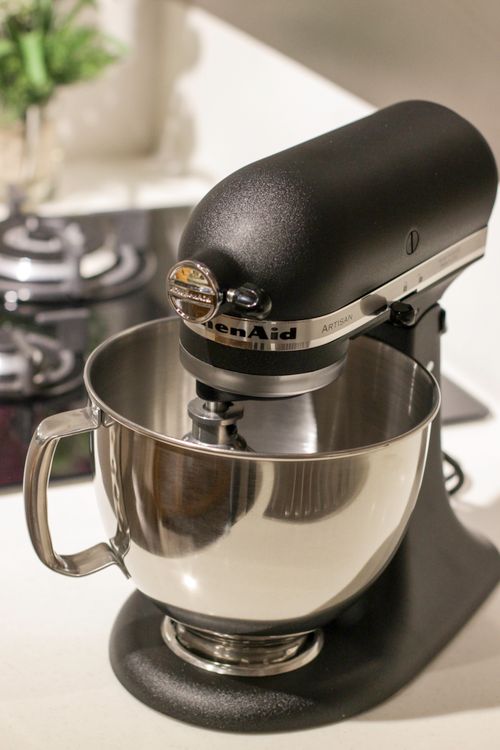
A stand mixer earns its space through repeat baking—not through the number of attachments in an advertisement.
Decide whether you need one
Stand mixers are valuable for frequent bread, cookies, cakes, whipped mixtures, and large batches. Occasional bakers may get better value from a capable hand mixer plus a sturdy bowl.
Tilt-head versus bowl-lift
Tilt-head mixers provide easy bowl access and fit many home kitchens. Bowl-lift designs are generally more stable for large, stiff batches but are taller, heavier, and require side clearance to attach the bowl.
Bowl size is not batch size
A 5-quart bowl is a versatile household size. Larger bowls provide headroom but may not mix tiny batches well. Check both maximum dough guidance and the minimum quantity the whisk can reach.
Motor claims need context
Wattage alone does not reveal torque, gearing, thermal protection, or long-term durability. Manufacturer batch limits and warranty terms are more useful. Repeatedly exceeding dough limits can strain any mixer.
Storage is part of ownership
A mixer that weighs 20 pounds may stay unused if it lives on a low shelf. Measure counter height under cabinets, including the raised head, and decide whether it can remain accessible.
Attachments should solve existing habits
Pasta rollers, grinders, and slicers can be useful, but attachment compatibility should not drive the purchase unless you already do those jobs. Start with the paddle, whisk, and dough hook.
Compare the useful options
Use the criteria above first. These links open current Amazon category results, so you can compare specifications, availability, and price.