Pick a Dutch oven for the portions you cook, the lifting you can manage, and the recipes you repeat.
The versatile size
A 5.5- to 7-quart Dutch oven covers most family soups, stews, braises, pasta sauces, and bread loaves. Smaller pots are easier to lift but limit batch cooking; very large pots become heavy before food is added.
Enameled versus bare iron
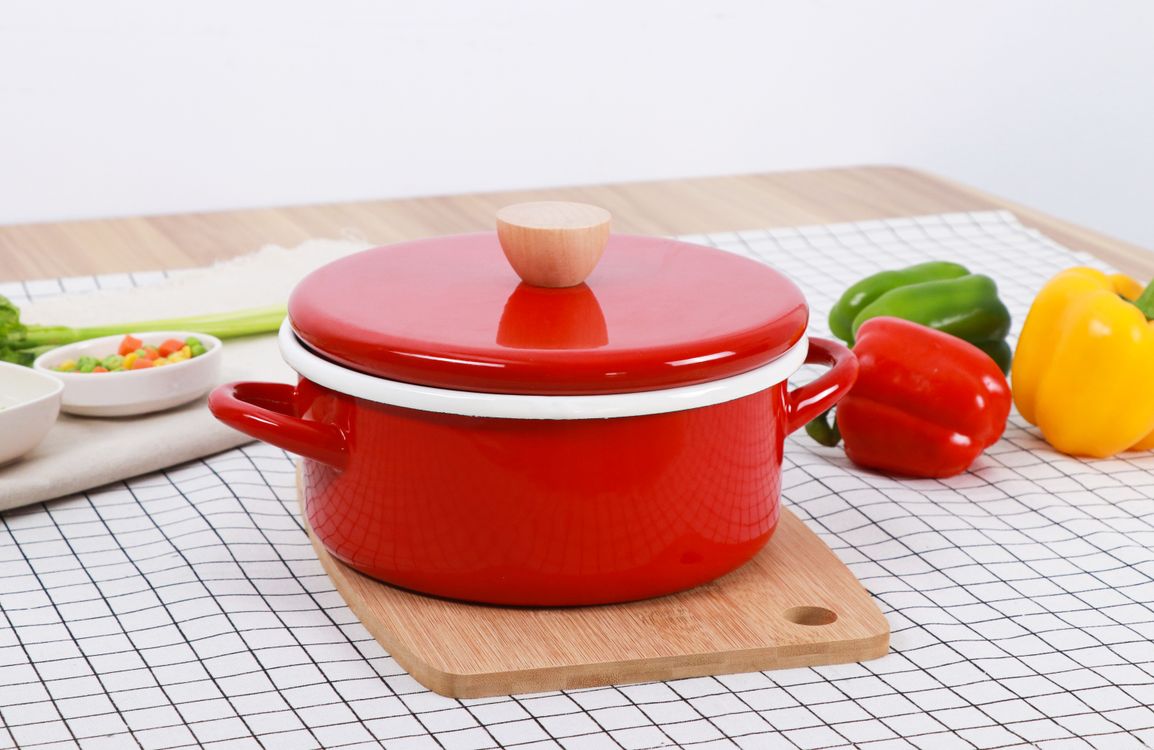
Enameled cast iron handles acidic ingredients and does not require seasoning. Bare cast iron is often less expensive and more tolerant of rough outdoor use, but it needs drying and seasoning care. Both retain heat well and both are heavy.
Inspect the geometry
A light-colored interior makes browning easier to monitor. Wide bases create more searing area, while tall narrow pots reduce evaporation. Handles should provide enough clearance for thick mitts, and the lid should sit evenly.
Check oven limits
Knobs may have lower heat ratings than the pot itself. Confirm the maximum oven temperature if you plan to bake bread at high heat. Replacement metal knobs can solve that problem on some models.
Price is not the only quality signal
Premium enamel can provide refined finish, color consistency, and strong warranties, but budget pots can cook excellent food. Look for even enamel, no chips around the rim, a stable base, and a return policy that covers shipping damage.
When not to buy one
A stainless stockpot or heavy saucepan may be more practical if weight is a concern or you mostly boil pasta and make broth. Buy a Dutch oven because its heat retention and oven use solve a real cooking need.
Compare the useful options
Use the criteria above first. These links open current Amazon category results, so you can compare specifications, availability, and price.