Choose appliances by repeated jobs, storage reality, and what they can replace—not by trend.
Audit what already works
List the tasks your stove, oven, knife, and pots already perform. A new appliance should make a repeated job meaningfully faster, easier, or more consistent—not merely provide another way to heat food.
Measure usable space
Counter depth, upper-cabinet height, door swing, ventilation clearance, and outlet location all matter. Record the storage route too; an appliance that requires moving five items to use will stay hidden.
Prioritize frequency
Daily coffee equipment may deserve permanent space. A weekly rice cooker can earn a nearby shelf. A seasonal mixer may be fine in deeper storage. Match accessibility to actual frequency.
Multi-function has limits
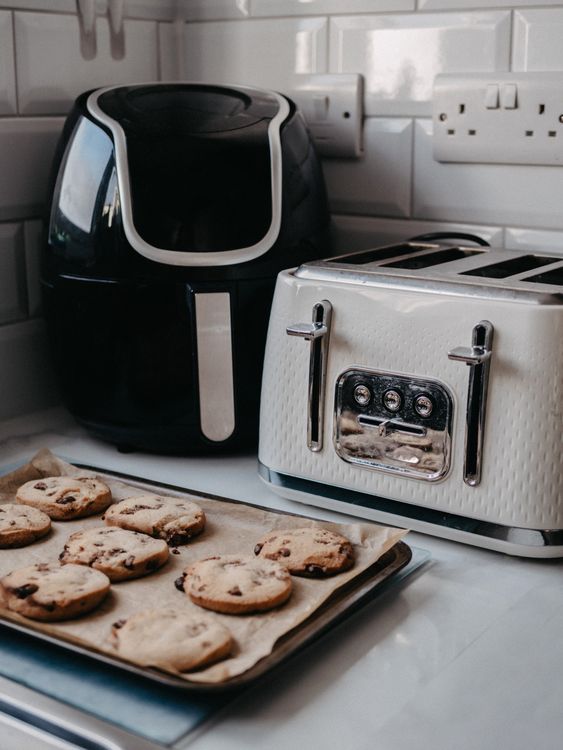
Combination appliances can save room when every function performs well enough for your meals. Extra modes do not save space if you keep the original toaster, pressure cooker, and air fryer because the combo compromises each job.
Use a one-in, one-out rule
Before buying, identify what the appliance replaces or where it will live. Selling, donating, or relocating a redundant tool prevents the counter from becoming permanent appliance parking.
Start with the bottleneck
For many small kitchens, the highest-value addition is not the most impressive machine. It may be a rice cooker that frees one burner, an immersion blender that replaces a jar blender, or a wide air fryer that avoids oven preheating.
Compare the useful options
Use the criteria above first. These links open current Amazon category results, so you can compare specifications, availability, and price.