A small, well-sized nesting set can handle nearly every prep job without taking over a cabinet.
Three sizes cover most prep
A compact set around 1.5, 3, and 5 quarts handles sauces, batters, salads, bread dough, and ingredient staging. Very small bowls can be replaced by cups; giant bowls are worth owning only for large batches.
Stainless steel
Stainless bowls are light, durable, and responsive when chilling or warming ingredients. They cannot go in a microwave and may slide unless they have a silicone base or sit on a damp towel.
Glass
Glass is microwave-friendly and lets you see the mixture, but it is heavy and breakable. Tempered glass still requires careful handling and should not face sudden temperature shocks outside its instructions.
Plastic
Plastic bowls are light and inexpensive. They can scratch, absorb odors, and stain, especially with oily or tomato-based foods. Choose sturdy food-safe material and replace damaged bowls.
Shape changes usefulness
High sides contain flour and splashes; wide shallow bowls simplify folding and tossing. A rolled rim improves grip. Pour spouts are useful for batter but can interrupt compact nesting.
Lids are optional
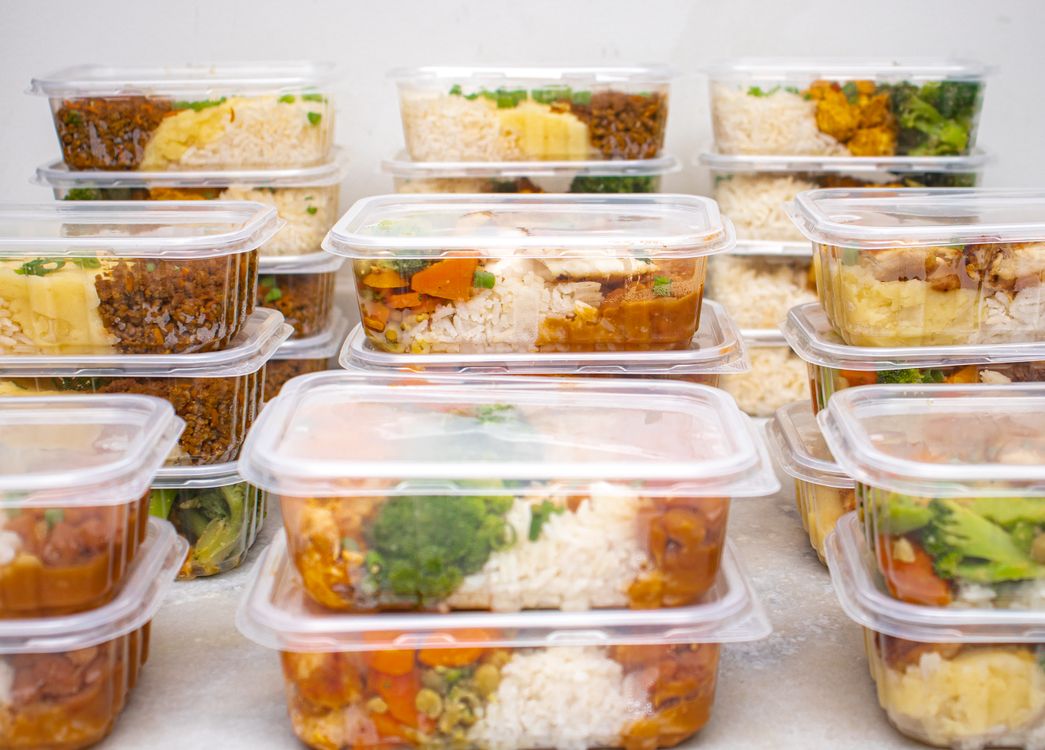
Fitted lids turn bowls into storage and proofing containers, but they add pieces to manage. Buy lids when you regularly refrigerate dough or prepped ingredients—not because the set looks more complete.
Compare the useful options
Use the criteria above first. These links open current Amazon category results, so you can compare specifications, availability, and price.