Use containers to protect food and reveal inventory—not to create a second unpaid labeling job.
Keep packaging when it works
Original boxes and bags carry cooking directions, dates, allergen information, and lot codes. Decant only when a container improves sealing, stacking, pouring, or pest protection.
Match capacity to package size
A container should hold a full new package before the old one is completely empty. Otherwise you create partial bags and lose the inventory benefit. Compare volume in quarts or liters, not visual impressions.
Shape controls shelf efficiency
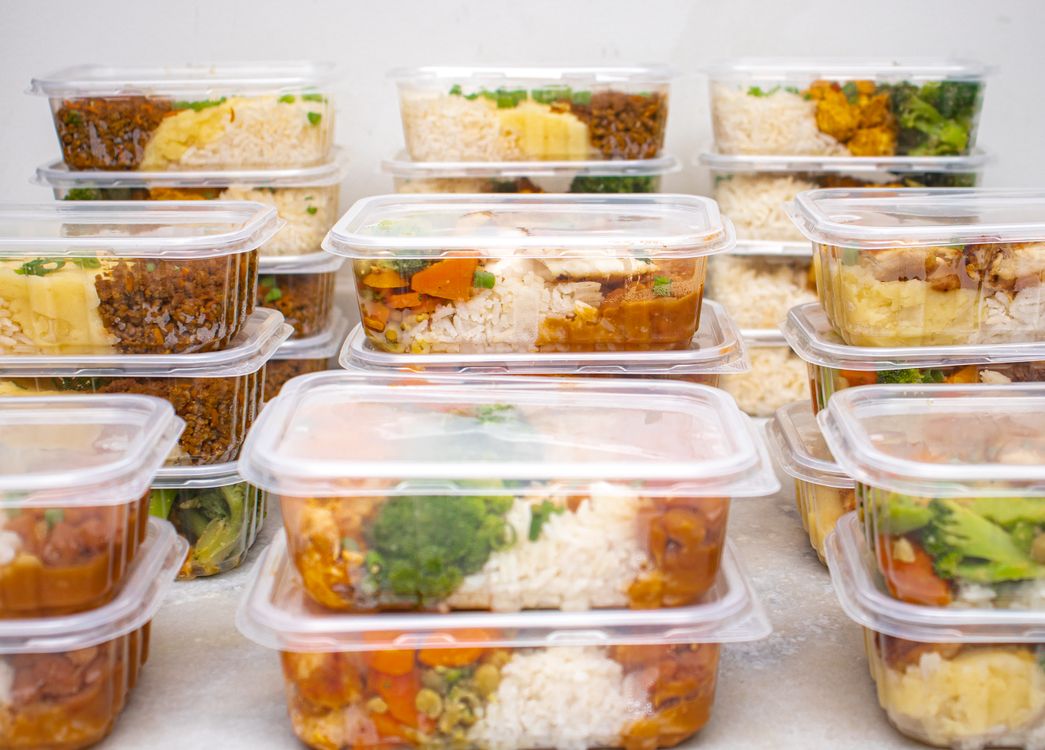
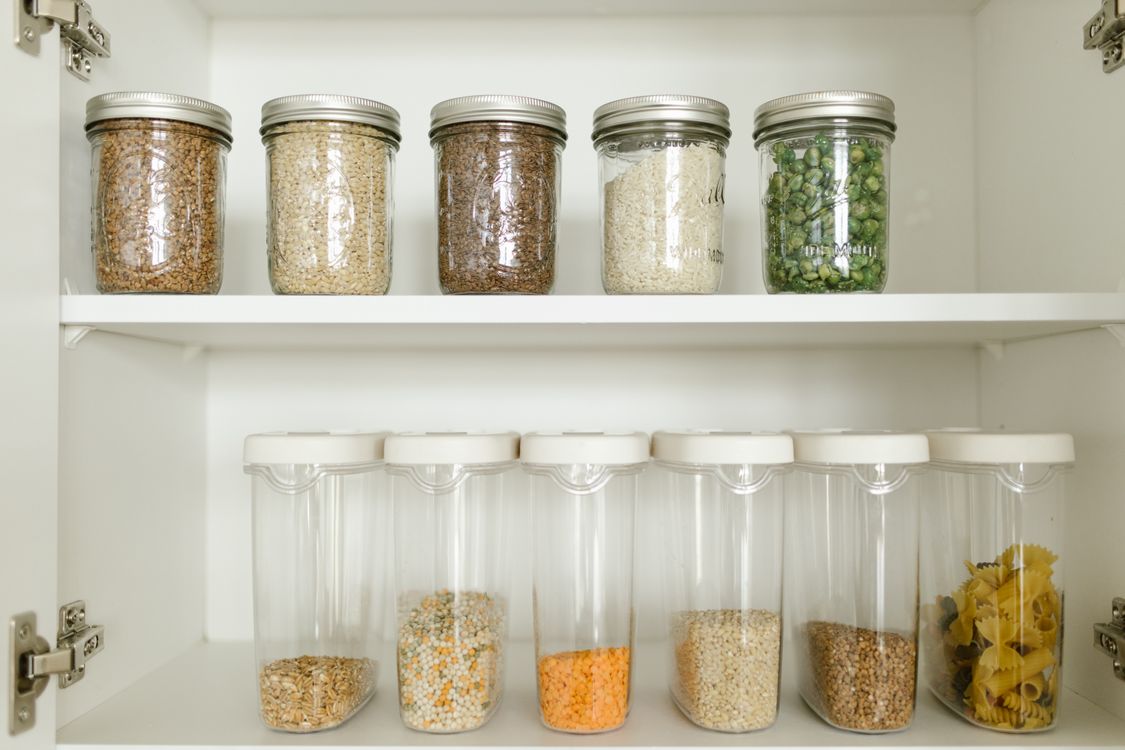
Rectangular containers use shelf depth better than round ones. Extremely tall narrow vessels look orderly but can be hard to scoop. Measure shelf height and depth, including lid removal clearance.
Airtight is not one standard
Gaskets and latches improve moisture and pest resistance, but claims vary. Inspect seal design and replacement availability. Foods such as flour and sugar benefit more from reliable closure than individually wrapped snacks.
Labels need useful information
Include the ingredient and, when packaging is discarded, the best-by date or cooking ratio. Washable labels or marker systems reduce accumulated adhesive and let the container change jobs.
Start with the problem foods
Flour, rice, cereal, pet treats, and open snack bags often justify containers first. Convert one shelf, live with it, and expand only if the system reduces waste or frustration.
Compare the useful options
Use the criteria above first. These links open current Amazon category results, so you can compare specifications, availability, and price.