 45 min
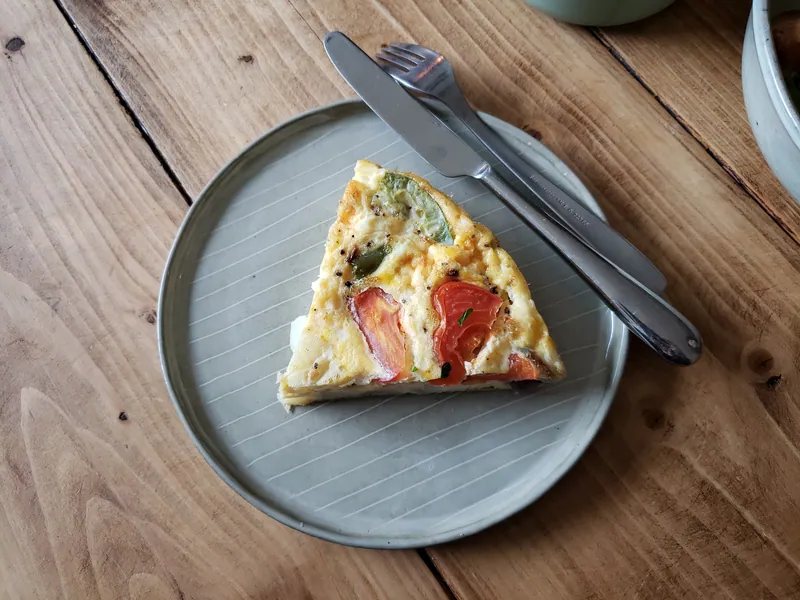
Cottage Cheese Frittata with Tomatoes & Green Peppers
Creamy cottage cheese disappears into tender eggs while sweet tomatoes and sautéed green pepper make this skillet breakfast colorful, savory and meal-prep friendly.
Lunch
Thin hand-rolled dough folds around a dry, savory spinach-feta filling, then cooks in a hot skillet until blistered and crisp enough for lemon and a bright red pepper sauce.
Whisk the flour and 1 teaspoon salt in a large bowl. Add 1 tablespoon olive oil and 1 cup warm water, then stir until a shaggy dough forms. Knead on a clean surface for 8 to 10 minutes, adding only enough of the extra tablespoon water to collect dry flour, until smooth and springy. The dough should feel soft but not sticky; excessive flour makes the finished flatbread tough.
Divide the dough into 6 equal portions, about 100 grams each, and shape into tight balls. Lightly oil a plate, set the balls on it and cover with an upturned bowl or damp towel. Rest at room temperature for 30 minutes. This pause relaxes the gluten so each portion can roll paper-thin without snapping back.
While the dough rests, heat 1 tablespoon olive oil in a wide 12-inch skillet over medium heat. Add the scallions and cook for 2 minutes. Add the spinach in two batches with 1/2 teaspoon salt, the Aleppo pepper and black pepper. Cook for 3 to 4 minutes, turning, until just wilted. Transfer to a fine-mesh strainer, cool for 5 minutes, then press firmly with the back of a spoon to remove liquid. Spread on a cutting board and chop finely. Wipe the skillet dry.
Combine the drained spinach with the feta, parsley, dill and lemon zest. The mixture should be cool and crumbly, not wet or creamy. Divide it into 6 equal mounds, about 2/3 cup each. Do not fill warm dough: steam weakens the seam and encourages leaks.
On a very lightly floured surface, roll one dough ball into a thin 11-inch circle, lifting and turning it often. Brush away loose flour. Spread one filling mound over one half, leaving a 3/4-inch border. Fold the bare half over the filling to form a half-moon, press out trapped air and pinch the edge closed; reinforce the seal with the tines of a fork. Set under a clean towel and repeat. If the dough resists, cover it and rest for 5 more minutes rather than forcing it.
Heat the wiped skillet over medium-high for 3 minutes; a drop of water should skitter and evaporate promptly. Brush one gözleme with a thin film of the cooking oil and place it oiled-side down. Brush the top. Cook for 2 to 3 minutes per side, pressing air pockets gently with a thin spatula, until the dough is cooked through with deep golden blisters and the feta is hot. Lower the heat if the surface blackens before the pale areas lose their raw-dough look. Repeat with the remaining gözleme, wiping out scorched flour and using about 1 teaspoon oil per flatbread.
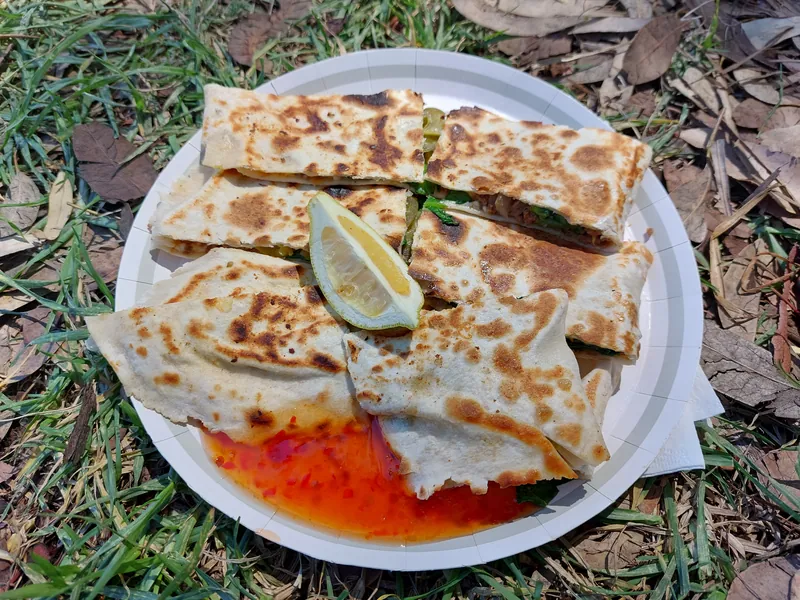
Brush the hot gözleme with the remaining oil, stack under a clean towel for no more than 5 minutes, then cut each into 3 or 4 rectangular pieces. Serve immediately with one lemon wedge per person and the red pepper sauce alongside for dipping. The verified photograph shows browned rectangular pieces, green filling at the cut edges, lemon and red sauce; keeping the sauce beside the flatbread preserves the crisp surface.
Useful kitchen gear
Compare the function and specifications first; skip anything your kitchen already handles well.
Cool leftovers uncovered for no more than 30 minutes, then refrigerate in a shallow airtight container within 2 hours for up to 3 days. Separate layers with parchment so the flatbreads do not stick. Reheat on a dry skillet over medium heat for 2 to 3 minutes per side, or on a wire rack in a 375°F oven for 8 to 10 minutes, until the center reaches 165°F (74°C); do not microwave if crispness matters. Freeze fully cooled gözleme between parchment for up to 2 months. Thaw overnight in the refrigerator and reheat to 165°F. Store the pepper sauce separately according to its label.
The filling was probably warm or wet, the border had flour on it, or air remained inside. Press the cooked spinach very dry, cool it before adding feta, brush loose flour from the border and press outward as you fold. Pinch and fork-seal the edge, then turn with a broad spatula rather than tongs.
Yes. Shape the filled flatbreads up to 4 hours ahead, separate them with parchment, cover tightly and refrigerate. Cook directly from the refrigerator, adding about 30 seconds per side. For a picnic, cook and cool them first, refrigerate within 2 hours and carry them cold in an insulated bag; re-crisp in a skillet when possible.
An 11-inch round from a 100-gram dough ball should be thin enough to faintly see the work surface through it but sturdy enough to lift. If it springs back, gluten needs more time: cover that round for 5 minutes and roll another ball. Adding a heavy layer of flour solves sticking but prevents the seam from bonding.
Cook next
45 min
Creamy cottage cheese disappears into tender eggs while sweet tomatoes and sautéed green pepper make this skillet breakfast colorful, savory and meal-prep friendly.
 90 min
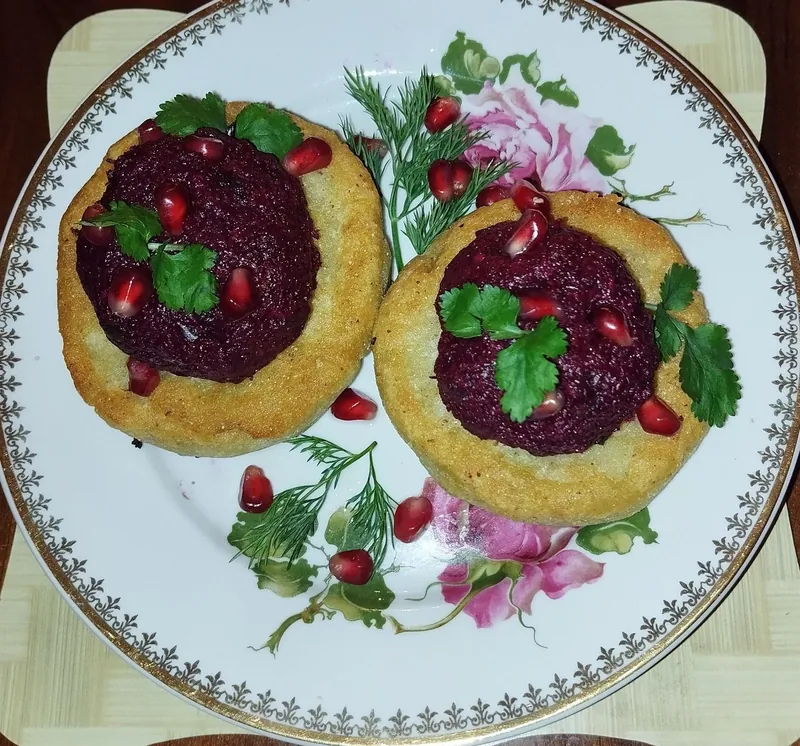
Earthy roasted beets and walnuts become a tangy herb-flecked spread, shaped over crisp corn cakes and finished with pomegranate for a striking meatless plate.
 35 min
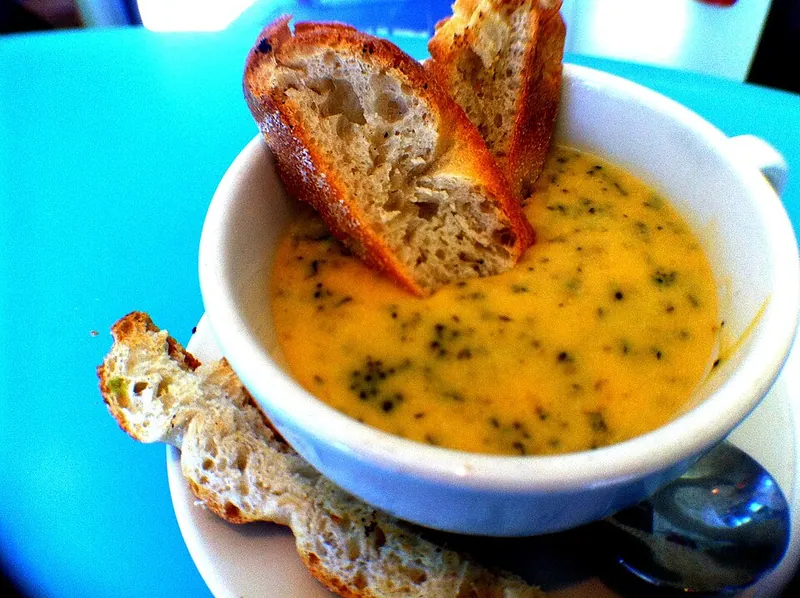
Broccoli, carrots and potato pressure-cook into a velvety base, then real cheddar and half-and-half go in off pressure for a smooth family soup.
 85 min
Spiral-layered puff pastry cradles silky lemon-cinnamon custard baked at fierce heat until the tops blister and the shells shatter.