 128 min
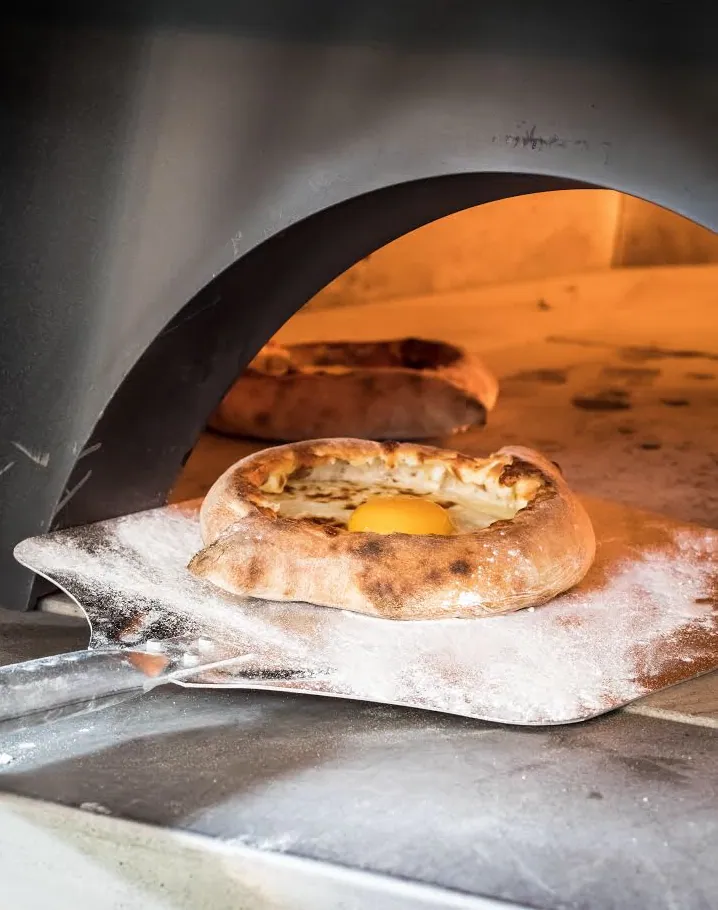
Adjarian Khachapuri with Feta, Mozzarella & Jammy Egg
High-heat Georgian-style bread boats cradle bubbling feta and mozzarella, then finish with a just-set egg and butter to stir into the molten center.
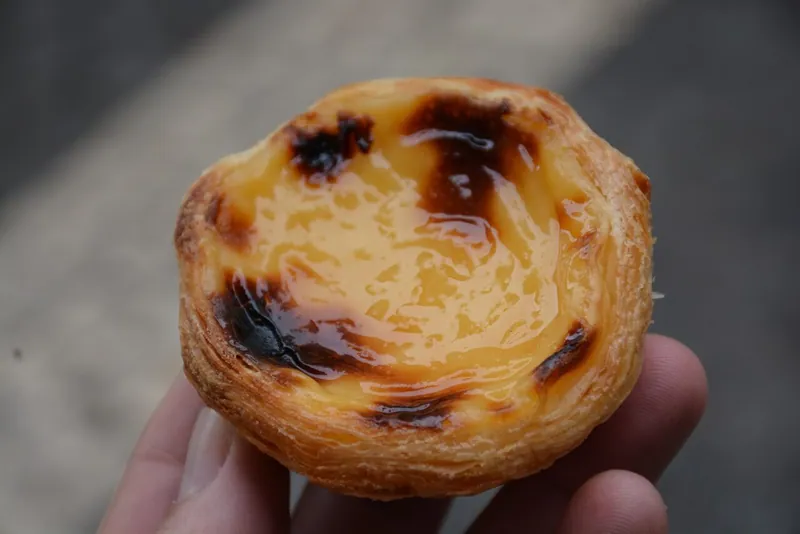
Photo: Paul Arps / Wikimedia Commons · CC BY 2.0
Weekend
Spiral-layered puff pastry cradles silky lemon-cinnamon custard baked at fierce heat until the tops blister and the shells shatter.
Unfold the cold puff pastry on a lightly floured surface. If it is in two sheets, overlap the short edges by 1/2 inch and roll gently to seal. Starting at a short edge, roll it into a tight log 2 inches in diameter. Wrap and refrigerate for 30 minutes; this chill is included in the total time.
Whisk 1/4 cup milk and the flour in a medium heat-safe bowl until completely smooth. Heat the remaining 1 cup milk in a small saucepan over medium until steaming and about 180°F, then gradually whisk it into the slurry. Return everything to the saucepan and whisk over medium-low for 2 to 3 minutes, until lightly thickened.
In a second small saucepan, combine the sugar, water, lemon peel and cinnamon stick. Bring to a boil without stirring, then cook until an instant-read thermometer registers 220°F, about 3 to 5 minutes. Remove the lemon and cinnamon.
Slowly whisk the hot syrup into the thickened milk; the mixture will be fluid. Cool for 10 minutes. Whisk the yolks, vanilla and salt together, then whisk them into the warm milk mixture. Pass the custard through a fine-mesh sieve into a spouted cup. Do not cook it again on the stove.
Set a rack in the upper third and heat the oven to 500°F for at least 30 minutes. Butter a standard 12-cup metal muffin pan. Cut the chilled pastry log crosswise into 12 equal rounds. Place one round spiral-side down in each cup. With damp thumbs, press pastry across the bottom and up the sides to 1/8 inch thick, leaving a slightly thicker rim.
Divide the custard among the shells, filling each no more than three-quarters full. Wipe any drips from the pan so they do not burn. The pastry and custard should still feel cool when the pan enters the oven.
Bake for 15 to 20 minutes, rotating the pan after 10 minutes, until the pastry is deeply golden and layered and the custard has risen with scattered dark brown blisters like the photograph. The centers should reach at least 160°F; they will wobble but should not slosh.
Set the pan on a rack for 8 minutes, then run a thin offset spatula around each tart and lift it out before caramelized drips harden. Cool another 10 minutes. Serve warm or at room temperature, plain to showcase the glossy blistered tops or with a very light dusting of cinnamon sugar.
Useful kitchen gear
Compare the function and specifications first; skip anything your kitchen already handles well.
Pastéis de nata are crispest the day they are baked. Refrigerate within 2 hours in a single layer for up to 3 days. Reheat on a sheet pan in a 400°F oven for 6 to 8 minutes, until the pastry re-crisps and the centers reach 165°F. Do not microwave, which makes the pastry limp. Freeze baked, cooled tarts for up to 1 month and reheat from frozen at 375°F for 12 to 15 minutes.
The cups were filled too high or the pastry walls were uneven. Stop at three-quarters full, keep the base thin and press the pastry slightly above the muffin-cup rim to contain the rising custard.
Preheat fully, place the rack in the upper third and use a metal pan. The custard surface should blister quickly while the pastry turns deep gold; rotate once but do not lower the heat unless the shells blacken before the centers reach 160°F.
Prepare the custard and pastry log up to 24 hours ahead and refrigerate them separately. Shape, fill and bake while both are cold; filled raw shells left overnight can become soggy and leak.
Cook next
128 min
High-heat Georgian-style bread boats cradle bubbling feta and mozzarella, then finish with a just-set egg and butter to stir into the molten center.
 80 min
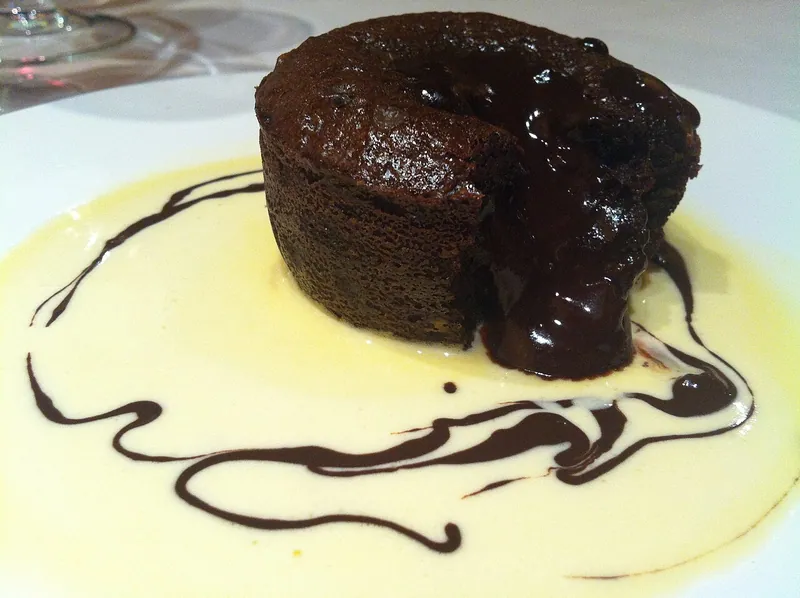
Warm individual chocolate cakes release glossy centers into a cool, pourable vanilla custard for a restaurant-style dessert with reliable temperature cues.
 110 min
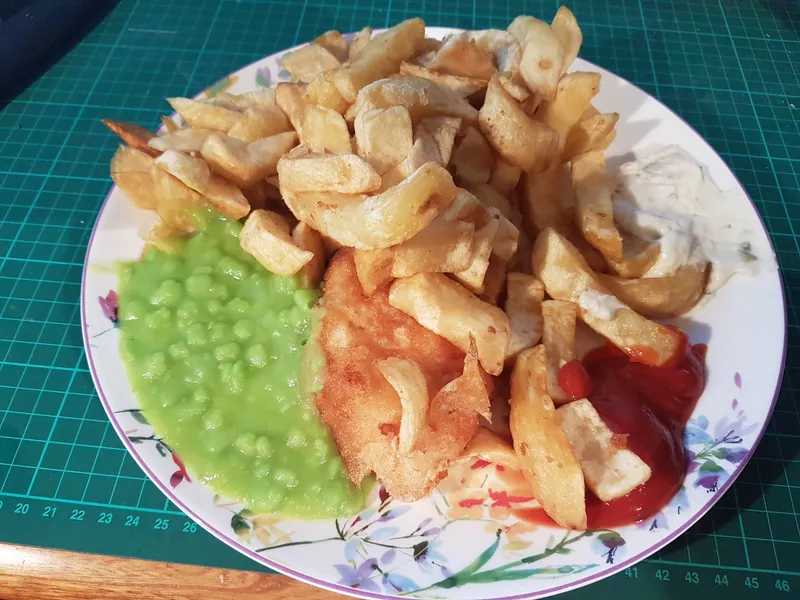
Crisp, airy beer-battered cod and twice-fried chips share the plate with minty mushy peas, lemon and a sharp homemade tartar sauce.
 70 min
Lacy turmeric rice crêpes crackle around savory pork, shrimp and bean sprouts, ready to wrap in cool lettuce with mint and a bright garlic-lime dipping sauce.