 20 min
Cottage Cheese Protein Pancakes
Soft, golden pancakes with crisp edges and 28 grams of protein per serving—no chalky powder required.

Photo: Andy Li / Wikimedia Commons · CC0 1.0
Vegetarian Dinners
Creamy cottage cheese disappears into tender eggs while sweet tomatoes and sautéed green pepper make this skillet breakfast colorful, savory and meal-prep friendly.
Place a rack in the center and heat the oven to 375°F. Whisk the eggs, cottage cheese, cheddar, 1/4 teaspoon salt, black pepper and smoked paprika in a large bowl until the yolks are fully blended; small cottage-cheese curds are expected.
Heat the olive oil in a well-seasoned 10-inch cast-iron or oven-safe nonstick skillet over medium. Add the onion, green pepper and remaining 1/4 teaspoon salt. Cook for 6 to 8 minutes, stirring occasionally, until the onion is translucent and the pepper is tender with a few browned edges.
Reduce the heat to medium-low. Stir in half the parsley, then spread the vegetables evenly across the skillet. Arrange the tomato halves cut-side up so they remain visible in the finished frittata.
Pour in the egg mixture and stir once from the center to distribute the vegetables without scraping the pan. Cook undisturbed for 2 minutes, just until a narrow ring begins to set around the edge; the center should still be liquid.
Transfer the skillet to the oven and bake for 14 to 18 minutes, until the center no longer ripples and an instant-read thermometer inserted in the middle reaches 160°F. Avoid baking beyond 170°F, which can squeeze moisture from the cottage cheese and toughen the eggs.
Set the hot skillet on a heatproof surface and rest for 5 minutes; keep the handle covered because it remains hot. Run a thin spatula around the edge, cut into six wedges and finish with the remaining parsley.
Useful kitchen gear
Compare the function and specifications first; skip anything your kitchen already handles well.
 Compare on AmazonOven-safe cast-iron skilletA well-seasoned oven-safe skillet softens the vegetables, sets the egg edges and moves directly into a 375°F oven.See current options →
 Compare on AmazonInstant-read thermometerCheck the center for 160°F so the eggs are safely set while the cottage-cheese frittata remains tender.See current options →
 Compare on AmazonStainless mixing bowlsA roomy nonreactive bowl makes it easy to whisk ten eggs and cottage cheese without splashing.See current options →
Cool within 2 hours, cut into wedges and refrigerate in a shallow airtight container for up to 4 days. Reheat one wedge covered in the microwave at 50% power for 60 to 90 seconds, or in a 325°F oven for 8 to 10 minutes, until it reaches 165°F. Freeze individually wrapped wedges for up to 2 months; thaw overnight before reheating.
Small soft curds may remain, but they melt into the egg matrix as it bakes. Whisk thoroughly and use small-curd cottage cheese if you prefer the most uniform texture.
Yes. Sauté the vegetables in a regular skillet, transfer them to a greased 9-inch pie plate, add the egg mixture and bake for 20 to 24 minutes, checking for a 160°F center.
The vegetables may have been undercooked, the cottage cheese may have contained excess whey, or the eggs may have been baked too hot. Soften the vegetables fully, drain pooled whey and stop baking at 160°F.
Breakfast planning
Compare hot protein pancakes, a vegetable-packed frittata, freezer-ready burritos, and no-cook chia cups by prep style, storage, and morning effort.
20 min
Soft, golden pancakes with crisp edges and 28 grams of protein per serving—no chalky powder required.
 40 min
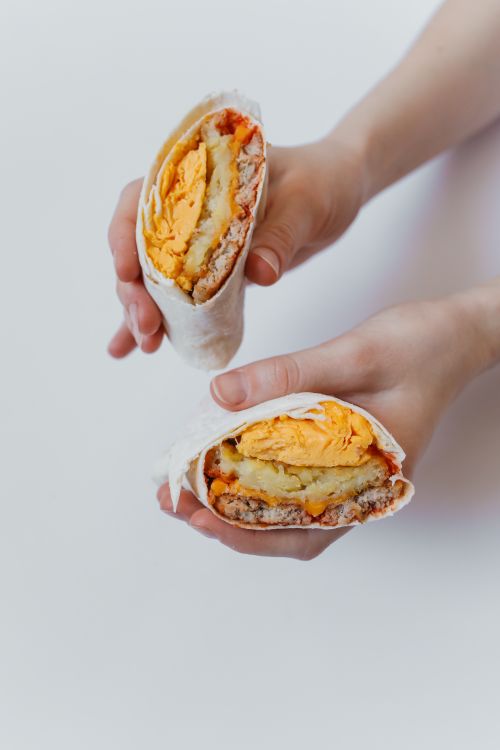
Fluffy eggs, crisp potatoes, sausage, peppers, and cheese wrapped for grab-and-go mornings that do not taste like compromise.
 260 min
Creamy vanilla chia pudding is layered with fresh berries, almond butter and a salty-sweet seed crunch for a genuinely satisfying make-ahead breakfast.
Cook next
 125 min
Naturally green spinach wrappers hold a juicy cabbage, carrot and mushroom filling, with a roasted tomato-sesame dipping sauce alongside.
 90 min
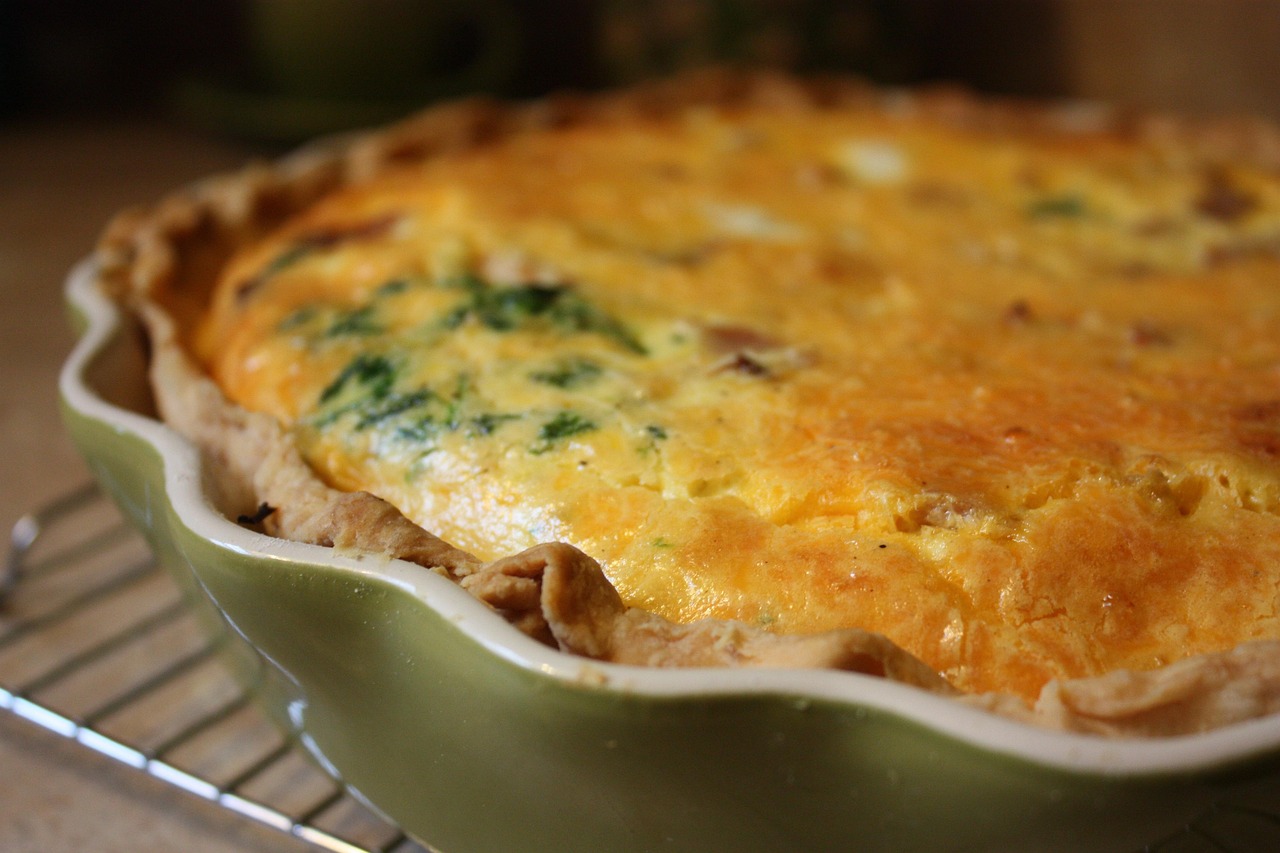
A deeply savory, sliceable brunch quiche with jammy onion, plenty of spinach, sharp cheddar, and a crisp bottom crust.
 128 min
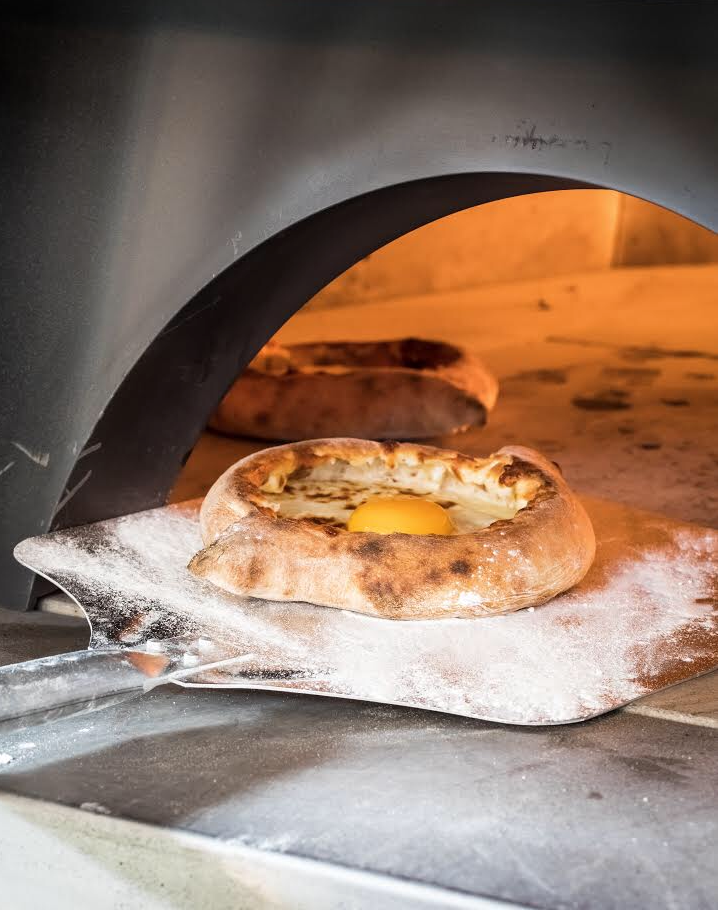
High-heat Georgian-style bread boats cradle bubbling feta and mozzarella, then finish with a just-set egg and butter to stir into the molten center.
 65 min
Jammy miso-maple eggplant rests on a lemony white bean and tahini cream, finished with scallion curls, herbs, and a crackly toasted seed topping.