
 45 min
Cottage Cheese Frittata with Tomatoes & Green Peppers
Creamy cottage cheese disappears into tender eggs while sweet tomatoes and sautéed green pepper make this skillet breakfast colorful, savory and meal-prep friendly.
Vegetarian Dinners
Earthy roasted beets and walnuts become a tangy herb-flecked spread, shaped over crisp corn cakes and finished with pomegranate for a striking meatless plate.
Heat the oven to 425°F. Rub the beets with olive oil, wrap them together in foil and place on a small sheet pan. Roast for 45 to 60 minutes, until a paring knife slides through the centers. Open the packet carefully, cool for 10 minutes and slip off the skins.
In a food processor, pulse the walnuts, garlic, coriander, fenugreek, optional cayenne and 3/4 teaspoon salt until finely ground but not oily. Add cilantro and dill and pulse 4 or 5 times.
Cut the warm beets into chunks and add them with the vinegar. Pulse until the mixture holds together but retains fine texture; do not purée it smooth. Taste for vinegar and salt. Cover and chill for 30 minutes while you make the mchadi.
Combine the cornmeal and remaining 1/4 teaspoon salt. Stir in 1 cup warm water and knead briefly. Add more water 1 tablespoon at a time until the mixture holds when squeezed without becoming wet. Divide into 6 balls and flatten into 3-inch patties about 1/2 inch thick.
Heat a 12-inch cast-iron skillet over medium and add the neutral oil. Cook the mchadi in two batches for 4 to 5 minutes per side, until golden and firm; reduce the heat if the crust darkens before the centers set. Keep the first batch warm in a 200°F oven.
Spoon or shape chilled beet pkhali onto each warm corn cake, matching the finished-dish presentation. Scatter with pomegranate seeds, cilantro and dill. Serve warm or at room temperature as a starter or light meal.
Useful kitchen gear
Compare the function and specifications first; skip anything your kitchen already handles well.
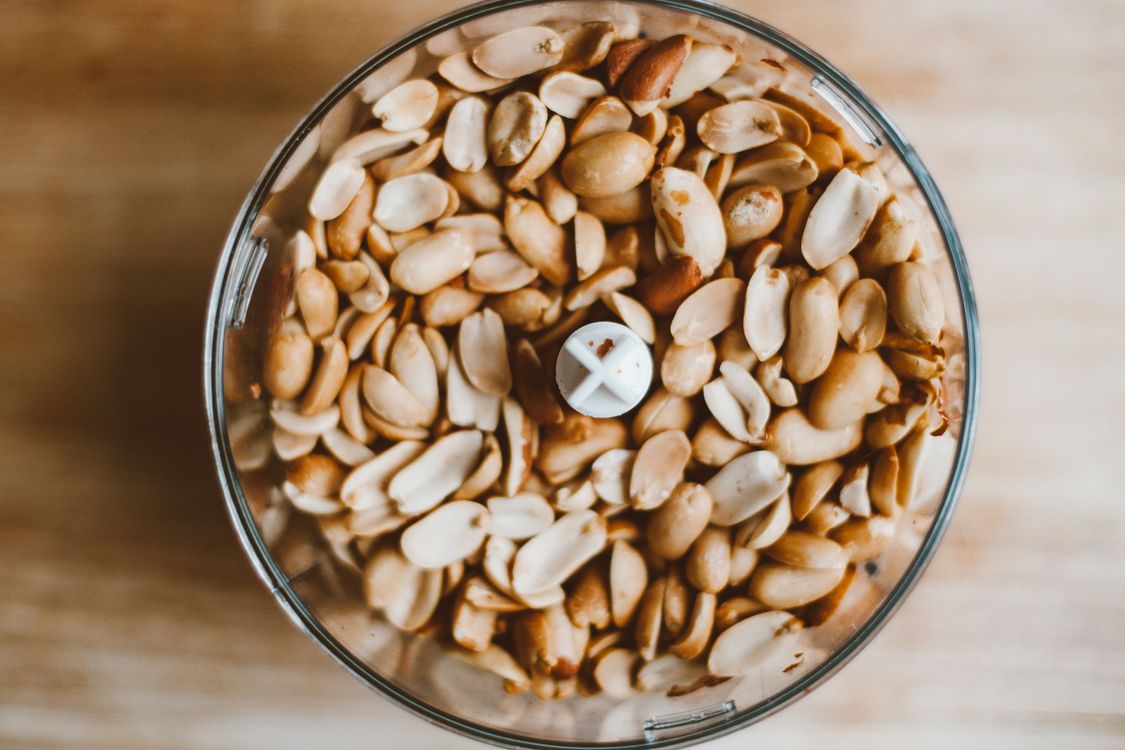 Compare on Amazon8-cup food processorShort pulses grind the walnuts and beets to a shapeable texture without turning the mixture oily or smooth.See current options →
 Compare on Amazon12-inch cast-iron skilletEven retained heat gives the mchadi corn cakes a crisp golden crust while their centers set.See current options →
 Compare on Amazon8-inch chef’s knifeA sharp blade handles roasted beets, herbs and garnish cleanly while preserving the composed presentation.See current options →
Refrigerate pkhali and mchadi separately in airtight containers for up to 4 days. Rewarm corn cakes in a 350°F oven for 8 minutes and serve the pkhali cool or at room temperature. Freeze pkhali for up to 1 month; thaw overnight and stir before shaping.
The beets likely carried excess water. Pulse in 2 tablespoons additional toasted walnuts, chill for 30 minutes and shape only when the mixture is cold.
Yes. Its flavor improves after several hours. Refrigerate it airtight, then let it stand 20 minutes before serving and add the pomegranate and herbs at the last moment.
Cornmeal has no gluten, so a few edge cracks are normal. If patties split apart, knead in warm water 1 tablespoon at a time and compress them firmly before frying.
Cook next
45 min
Creamy cottage cheese disappears into tender eggs while sweet tomatoes and sautéed green pepper make this skillet breakfast colorful, savory and meal-prep friendly.
 90 min
Whole-wheat flour, bran and oats make a hearty loaf with a tender buttermilk crumb—no yeast, kneading or rise time required.
 125 min
Naturally green spinach wrappers hold a juicy cabbage, carrot and mushroom filling, with a roasted tomato-sesame dipping sauce alongside.
 105 min
Whole eggplants collapse around a sweet tomato-onion filling, then pair with lemony rice and cool yogurt for a generous meatless dinner.