
 265 min
Honey-Pistachio Baklava with Orange-Blossom Syrup
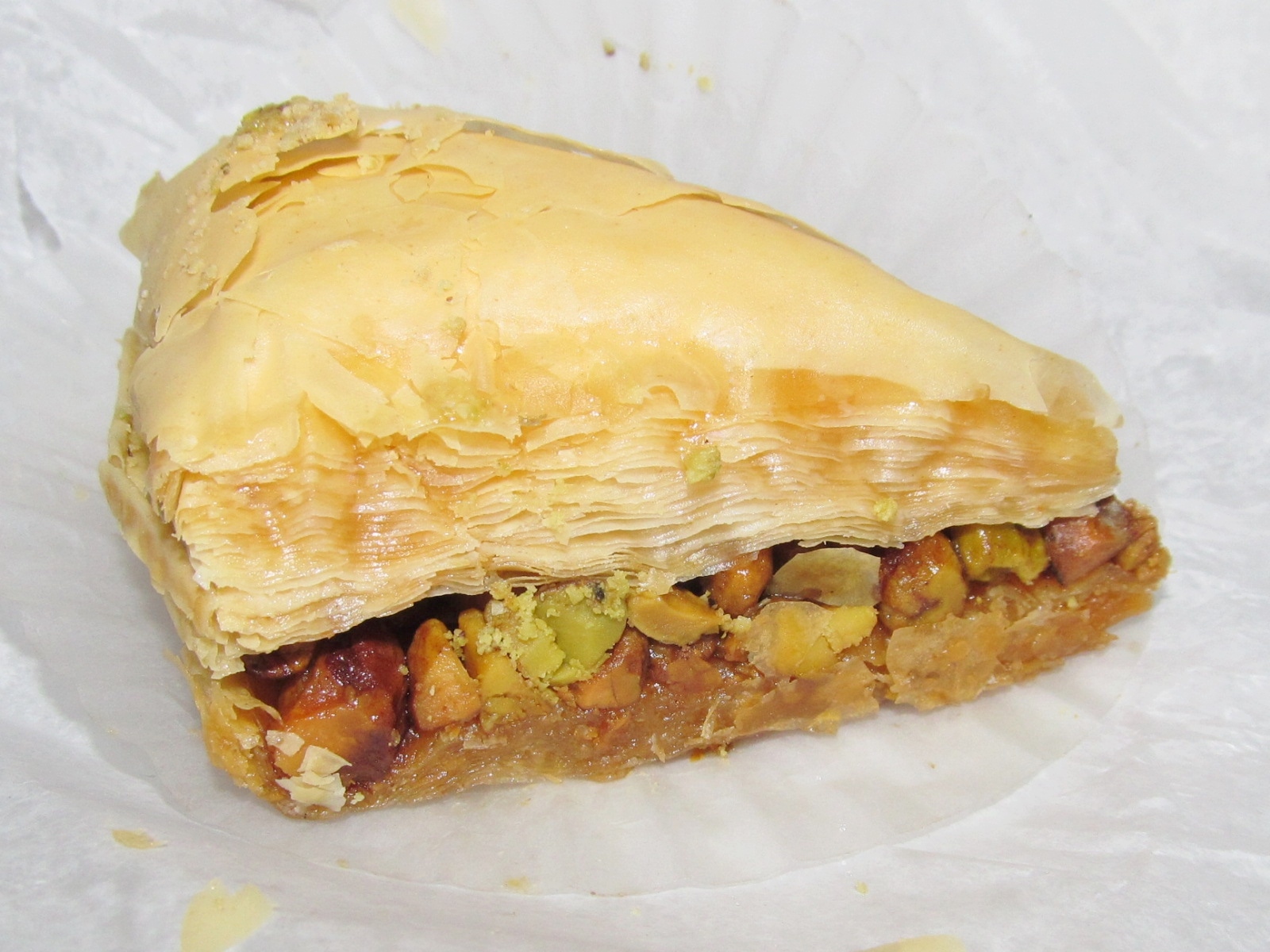
Dozens of crisp buttered phyllo layers surround a generous pistachio filling, while a bright honey and orange-blossom syrup keeps every diamond fragrant and tender-crisp.
Baking
Flaky hand-cut pastry cups hold a glossy brown-sugar filling that bakes with caramelized tops, soft centers and plump raisins.
Whisk the flour, granulated sugar and 1/2 teaspoon salt in a bowl. Cut in the cold butter with a pastry blender until pea-size pieces remain. Drizzle in 5 tablespoons ice water and toss; add more water 1 tablespoon at a time just until the dough holds when squeezed. Press into a disk, wrap and refrigerate for 45 minutes.
Cover the raisins with the boiling water and let them stand for 10 minutes. Drain thoroughly, spread on a clean towel and blot dry. Excess water can thin the filling and make the pastry bottoms soggy.
Heat the oven to 400°F with a rack in the lower third. Roll the dough on a lightly floured surface to 1/8 inch thick. Cut twelve 4-inch rounds, rerolling scraps once. Ease each round into an ungreased standard metal muffin cup without stretching it. Chill the lined pan for 15 minutes.
Whisk melted butter, brown sugar, maple syrup, eggs, vanilla, vinegar and remaining 1/4 teaspoon salt only until smooth; avoid beating in excess air. Divide the dry raisins among the shells, then add about 3 tablespoons filling to each, stopping 1/4 inch below the pastry rim.
Set the muffin pan on a rimmed sheet pan and bake for 18 to 24 minutes, rotating once, until the pastry is golden, the filling is puffed at the edges and the centers still wobble slightly. An instant-read thermometer in a center should register at least 175°F; the filling will continue setting as it cools.
Cool in the pan for 10 minutes. Run a thin offset spatula around any caramelized edges and lift the tarts to a rack before the sugar hardens against the pan. Cool at least 45 minutes for soft but sliceable centers like the photographed tarts.
Useful kitchen gear
Compare the function and specifications first; skip anything your kitchen already handles well.
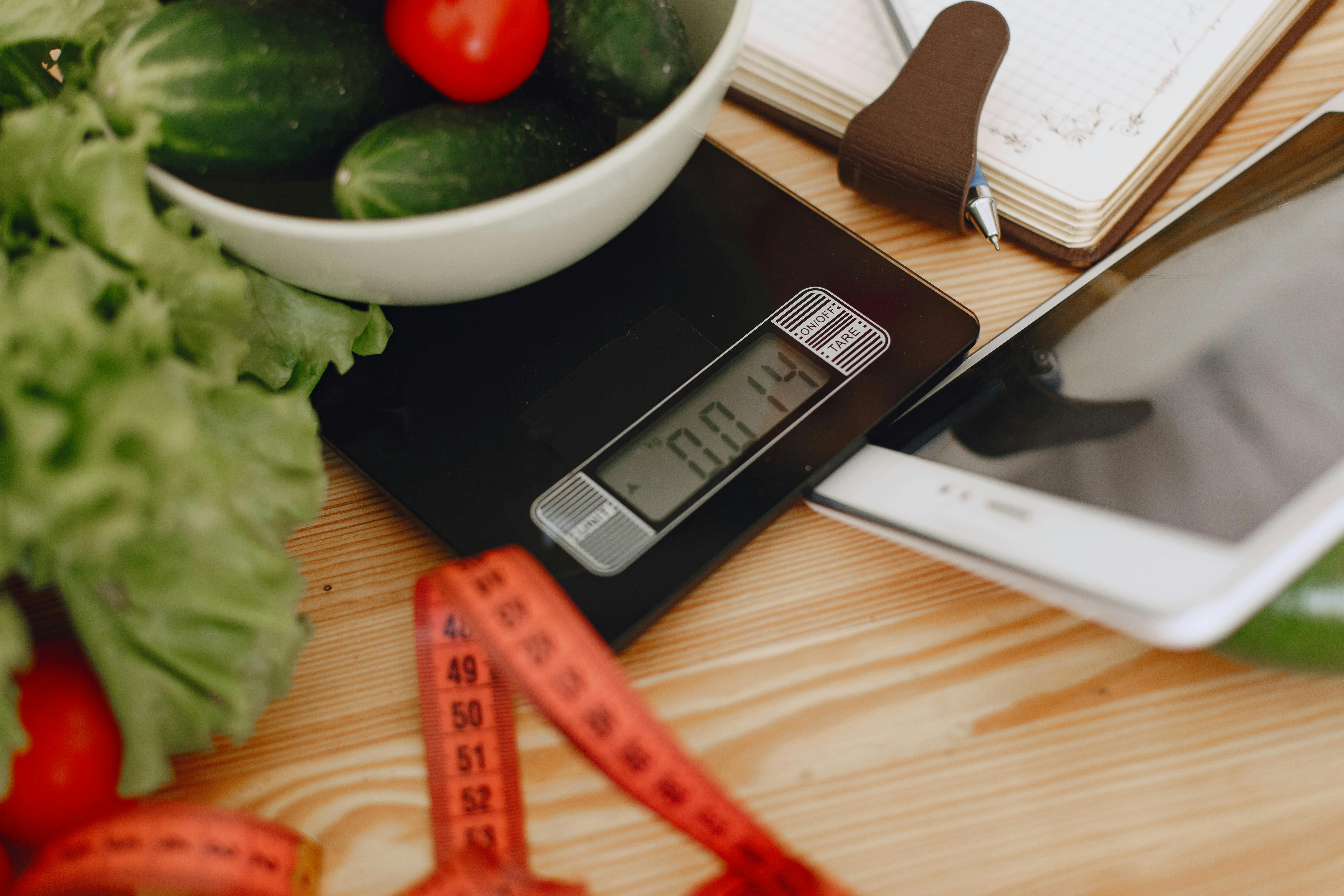 Compare on AmazonDigital kitchen scalePrecise pastry and filling weights keep twelve shells flaky and prevent the fluid brown-sugar custard from overflowing.See current options →
 Compare on AmazonRoomy mixing bowlA broad bowl gives the cold pastry mixture space for cutting in butter and later holds the gently whisked maple filling.See current options →
 Compare on AmazonHeat-safe oven mittsSecure hand protection matters when moving a hot metal muffin pan on its supporting sheet pan at 400°F.See current options →
Cool completely, then keep the tarts airtight at room temperature for 1 day or refrigerate for up to 5 days. Bring to room temperature or warm on a sheet pan at 300°F for 6 to 8 minutes; microwaving can make the pastry soft. Freeze in a single layer, then bag, for up to 2 months and thaw uncovered at room temperature.
This version is soft and gooey when fully cooled but should not pour out. For a firmer set, bake 2 to 3 minutes longer, until the center barely moves; for a softer set, remove the pan when the center still has a distinct wobble but is at least 175°F.
The shells were probably overfilled or the filling was whisked until foamy. Stop 1/4 inch below the rim, divide the mixture evenly and stir only until smooth. A metal muffin pan also transfers heat faster and controls the rise better than silicone.
Yes. Use enough refrigerated pie dough for two 9-inch crusts, roll it to about 1/8 inch and cut twelve 4-inch rounds. Keep the lined pan cold before filling and follow the same baking cues.
Cook next
265 min
Dozens of crisp buttered phyllo layers surround a generous pistachio filling, while a bright honey and orange-blossom syrup keeps every diamond fragrant and tender-crisp.
 245 min
A bright, softly set lemon layer rests on crisp butter shortbread, finished with a snowy dusting of confectioners’ sugar and clean bakery-style edges.
 92 min
Juicy cherries bake into a softly set vanilla-almond custard with puffed golden edges, making an elegant dessert from one bowl and one baking dish.
 393 min
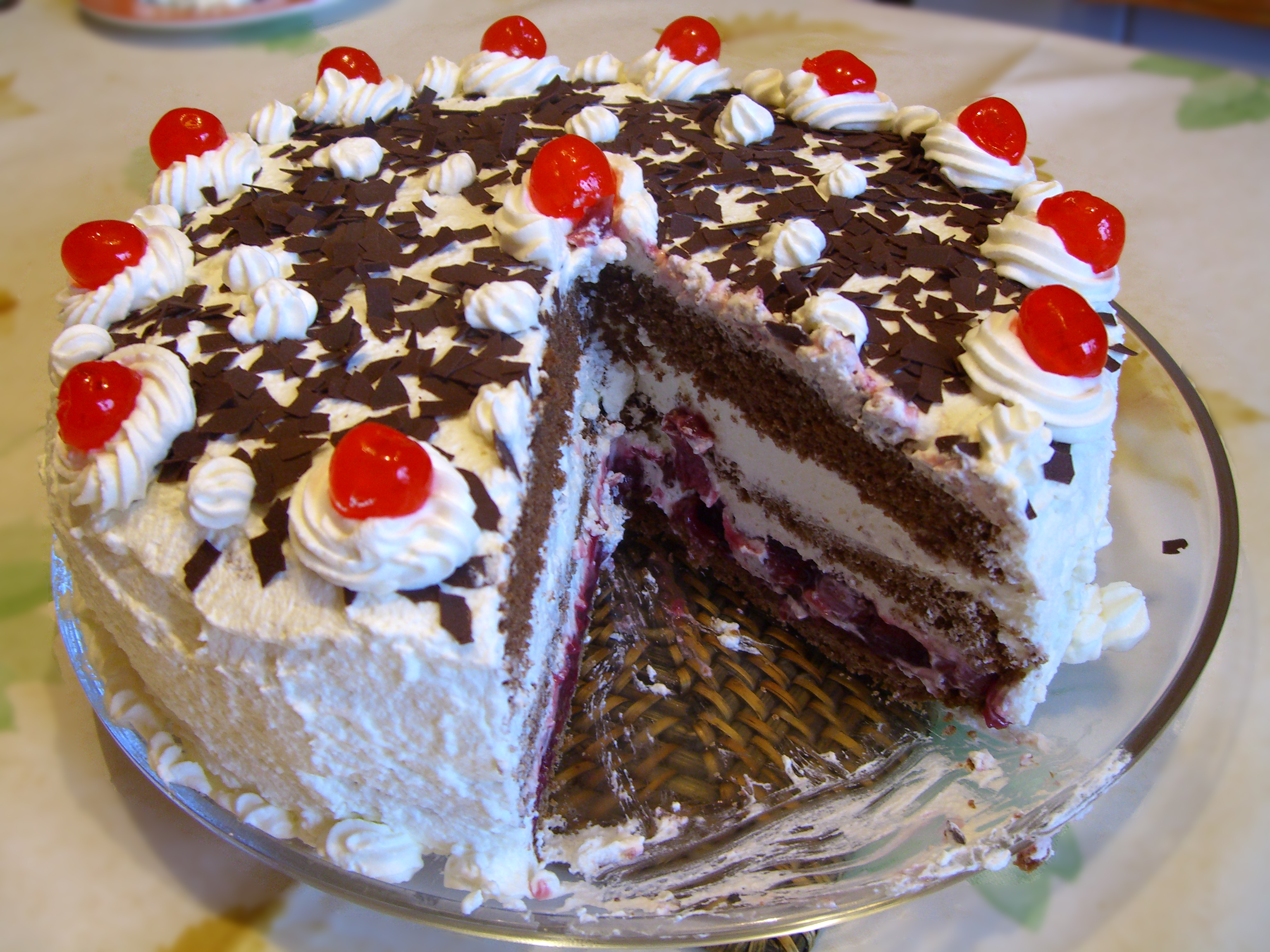
Three tender chocolate sponge layers are brushed with cherry syrup, filled with sour cherries and billowy cream, then finished with chocolate curls and cherry-topped rosettes.