
 265 min
Silky Lemon Posset with Toasted Almonds
A brief boil and fresh lemon transform cream into an exceptionally smooth, make-ahead dessert finished with crisp golden almonds—no eggs, starch or gelatin required.
Baking
A bright, softly set lemon layer rests on crisp butter shortbread, finished with a snowy dusting of confectioners’ sugar and clean bakery-style edges.
Heat the oven to 350°F with a rack in the center. Lightly grease a light-colored metal 9-by-13-inch pan. Line it with a parchment sling that covers the bottom and two long sides, leaving enough overhang to lift the slab later.
Whisk the melted butter, 1/2 cup confectioners’ sugar, 2 teaspoons lemon zest and 1/2 teaspoon salt. Stir in 2 cups flour until no dry pockets remain. Drop small clumps across the pan, then press into an even compact layer, reaching every corner without building a thick rim. Chill for 10 minutes.
Bake the crust for 20 to 22 minutes, rotating once, until the surface looks dry and the edges are pale gold. During the final 5 minutes, whisk the granulated sugar, 1/3 cup flour and 1/4 teaspoon salt in a large bowl.
Add the eggs to the sugar mixture and whisk gently until completely smooth but not foamy. Whisk in the lemon juice and 2 tablespoons zest. Pour through a fine-mesh sieve into a large measuring jug to remove zest clumps, chalazae and excess bubbles.
With the pan still on the oven rack, pull the rack out partway and pour the filling over the hot crust. Slide the rack in gently. The hot crust begins sealing the two layers together and reduces the chance of a soggy boundary.
Bake for 22 to 25 minutes, until the edges are set and the center moves as one slight wobble rather than rippling. An instant-read thermometer inserted near the center should register at least 160°F but ideally no more than 170°F; overheating causes a rubbery, cracked top.
Cool in the pan on a rack for 1 hour. Cover without touching the surface and refrigerate for at least 2 hours. This cooling time is included in the total and is essential for neat, stable slices.
Run a thin knife around the unlined edges, lift out the slab by the parchment and trim only if desired. Use a long sharp knife to cut 24 rectangles, wiping and warming the blade under hot water between cuts. Dust evenly with 2 tablespoons confectioners’ sugar just before serving, matching the photographed finish.
Useful kitchen gear
Compare the function and specifications first; skip anything your kitchen already handles well.
 Compare on AmazonDigital kitchen scaleGram weights keep the flour-to-butter ratio and thick lemon filling consistent for clean, sturdy layers.See current options →
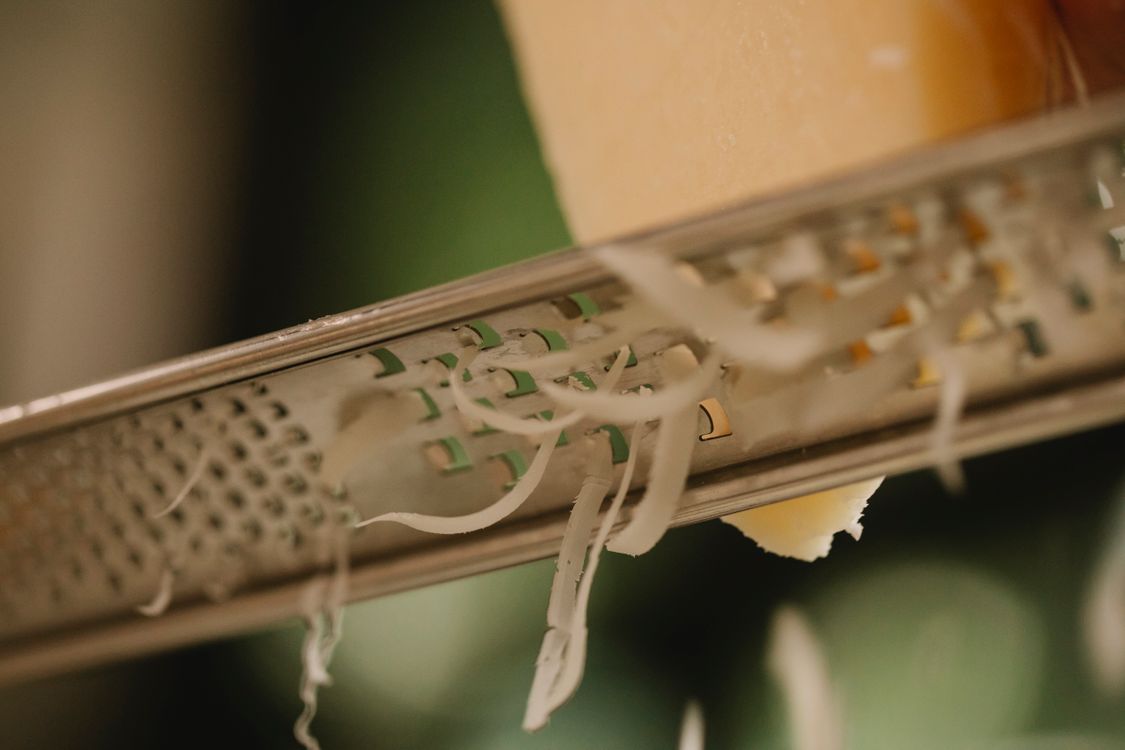 Compare on AmazonFine citrus zesterA fine zester removes the fragrant yellow peel while leaving the bitter white pith on the lemon.See current options →
 Compare on AmazonHeat-safe oven mittsSecure hand protection matters when pouring filling into a hot metal pan and moving it from a 350°F oven.See current options →
Refrigerate the cut bars in a single layer or with parchment between layers for up to 5 days. Let them stand 10 minutes before serving for the best texture, then refresh the sugar because refrigeration dissolves it. Freeze undusted bars tightly wrapped for up to 2 months; thaw overnight in the refrigerator and dust after thawing.
Vigorous whisking traps air in the egg mixture, and those bubbles rise during baking. Whisk gently, strain the filling and skim any remaining foam before pouring it onto the crust.
The edge should be fixed while the center gives one cohesive jiggle. Verify 160 to 170°F near the center, then remove the pan; residual heat and chilling complete the set.
The crust may have cooled before filling or the bars may have been cut warm. Pour onto the just-baked crust, bake until safely set and chill the slab for the full two hours before lifting and slicing.
Cook next
265 min
A brief boil and fresh lemon transform cream into an exceptionally smooth, make-ahead dessert finished with crisp golden almonds—no eggs, starch or gelatin required.
 275 min
A softly set Italian cream dessert unmolds into elegant fluted rounds, topped with red and golden raspberries, blackberries and a glossy lemon-honey drizzle.
 80 min
Warm individual chocolate cakes release glossy centers into a cool, pourable vanilla custard for a restaurant-style dessert with reliable temperature cues.
 85 min
Spiral-layered puff pastry cradles silky lemon-cinnamon custard baked at fierce heat until the tops blister and the shells shatter.