 110 min
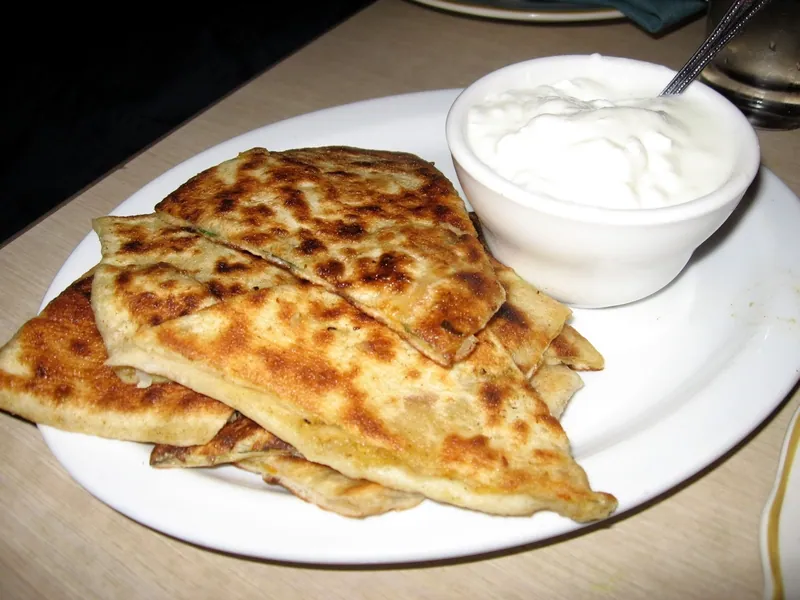
Afghan-Style Potato & Scallion Bolani with Garlic Yogurt
Thin homemade flatbreads fold around a cumin-scented potato and scallion filling, then crisp in a skillet beside cool garlic yogurt.
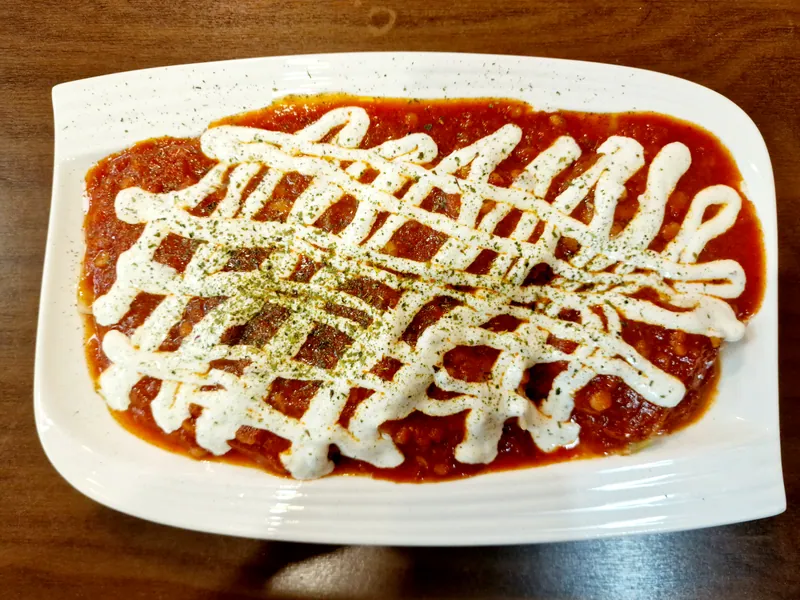
Photo: Anagoria / Wikimedia Commons · CC BY-SA 4.0
Dinner
Tender leek-filled dumplings sit in a warmly spiced tomato sauce beneath cool garlic yogurt and dried mint—a practical wrapper-based route to an Afghan gathering dish with vivid hot-cold contrast.
Heat 1 tablespoon oil in a wide skillet over medium. Add the leeks, scallion whites, coriander, 1/4 teaspoon salt and black pepper. Cook for 10 to 12 minutes, stirring often, until tender and no liquid remains in the pan. Stir in the scallion greens for 30 seconds, spread the mixture on a plate and cool for 15 minutes. A dry, cool filling is essential for wrappers that seal instead of splitting.
While the filling cools, heat the remaining 1 tablespoon oil in a medium saucepan over medium. Add the onion and cook for 5 to 6 minutes until soft. Add half of the minced garlic, the cumin, turmeric and crushed red pepper; stir for 30 seconds. Add the tomatoes, 1/2 cup water and the remaining 1/4 teaspoon salt. Simmer uncovered over medium-low for 18 to 22 minutes, stirring occasionally, until thick enough to leave a brief trail when stirred. Taste and add the sugar only if needed. Keep warm over low heat.
Whisk the yogurt, remaining minced garlic, lemon juice and 3 tablespoons water until smooth and pourable. Add another teaspoon or two of water if needed for a thick drizzle. Cover and refrigerate while the dumplings are shaped so the yogurt stays cool and the garlic mellows.
Keep the wonton wrappers under a barely damp towel. Place one wrapper like a diamond on the work surface and add 2 level teaspoons cooled leek filling to the center. Brush the edges lightly with the flour slurry, fold the bottom point to the top to form a triangle and press firmly around the filling to expel air. Bring the two side points together and seal with a dab of slurry. Arrange under a second barely damp towel and repeat. Do not stack the uncooked dumplings.
Spread about one-third of the warm tomato sauce across a large warmed platter. Spoon one-third of the garlic yogurt over the sauce. This base cushions the cooked wrappers and seasons their undersides without leaving them in plain cooking water.
Bring a wide pot of well-salted water to a gentle boil. Cook the dumplings in three batches of 12, stirring once immediately so they do not stick. After they float, cook for 2 to 3 minutes more, until the wrappers are tender and translucent at the seams, 4 to 5 minutes total. Lift each batch with a wide slotted spoon and drain for several seconds; avoid tipping them into a colander, which can tear the hot wrappers.
Arrange each drained batch in a slightly overlapping layer on the sauced platter. Spoon the remaining warm tomato sauce over and around the dumplings, leaving a few edges visible. Drizzle with the remaining cool garlic yogurt in broad ribbons, matching the finished dish in the photograph.
Rub the dried mint between your palms over the platter and scatter on the cilantro. Rest for 3 minutes so the sauces settle without making the wrappers soggy, then serve six dumplings per person. Pass extra crushed red pepper separately.
Useful kitchen gear
Compare the function and specifications first; skip anything your kitchen already handles well.
Aushak is best just after assembly because dressed wrappers continue to absorb sauce. Refrigerate leftovers in a shallow airtight container within 2 hours for up to 3 days. Reheat covered in a 325°F oven for 15 to 20 minutes, or microwave in short intervals, until the center reaches 165°F; add a fresh spoonful of cold yogurt after reheating. Freeze uncooked dumplings in one layer until firm, then bag for up to 1 month and boil from frozen for 1 to 2 extra minutes. Freeze tomato sauce separately for up to 2 months; do not freeze the yogurt sauce.
Aushak are usually filled with gandana or another mild allium, then boiled and served with yogurt and a savory sauce. Afghan mantu are generally filled with seasoned meat and onion and steamed. Both are layered dumpling dishes, but their filling and cooking method create distinct textures and flavors.
Shape them up to 4 hours ahead, dust a parchment-lined tray very lightly with flour, arrange them without touching and refrigerate under plastic wrap. For longer storage, freeze the tray immediately and bag the firm dumplings. Do not refrigerate them overnight; the leek moisture eventually softens packaged wrappers.
The filling may have been warm or wet, air may have remained around it, or the pot may have been boiling too hard. Cool the cooked leeks completely, use only 2 level teaspoons per wrapper, press outward around the mound before sealing and maintain a gentle rather than rolling boil.
Filled doughs by cooking method
Compare boiled leek-filled aushak with tomato and yogurt, skillet-crisp Afghan bolani with potato and scallion, steamed spinach momos with tomato-sesame achar, and boiled-then-sautéed potato-cheese pierogi by wrapper, moisture control, sealing method and make-ahead strategy.
110 min
Thin homemade flatbreads fold around a cumin-scented potato and scallion filling, then crisp in a skillet beside cool garlic yogurt.
 125 min
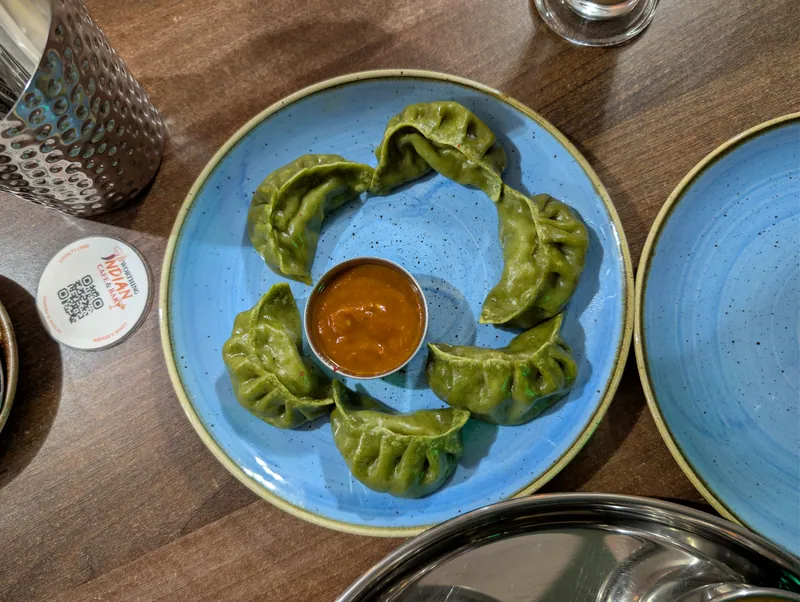
Naturally green spinach wrappers hold a juicy cabbage, carrot and mushroom filling, with a roasted tomato-sesame dipping sauce alongside.
 120 min
Tender handmade pierogi wrap a savory potato, farmer-cheese and onion filling, with reliable dough cues, freezer directions and two finishing options.
Cook next
 45 min
Creamy cottage cheese disappears into tender eggs while sweet tomatoes and sautéed green pepper make this skillet breakfast colorful, savory and meal-prep friendly.
 90 min
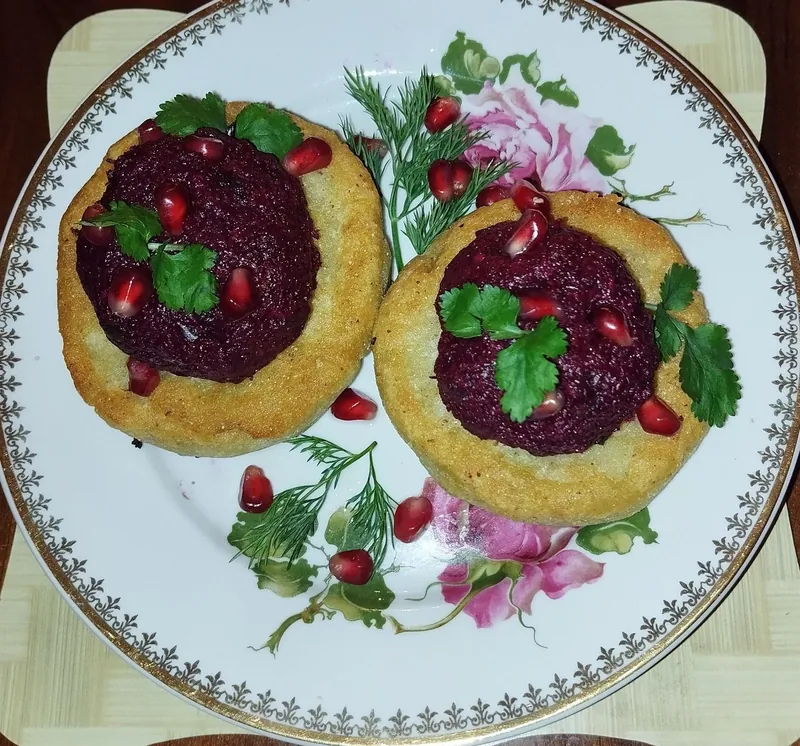
Earthy roasted beets and walnuts become a tangy herb-flecked spread, shaped over crisp corn cakes and finished with pomegranate for a striking meatless plate.
 35 min
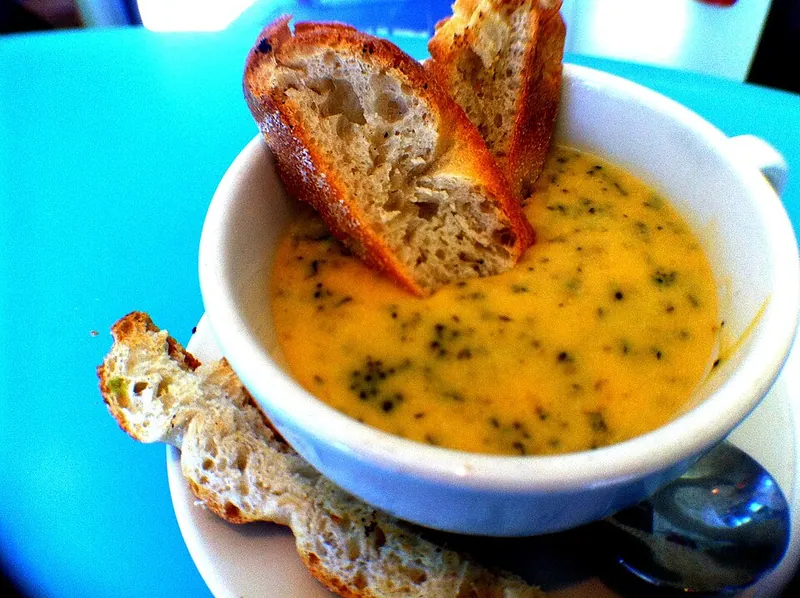
Broccoli, carrots and potato pressure-cook into a velvety base, then real cheddar and half-and-half go in off pressure for a smooth family soup.
 85 min
Spiral-layered puff pastry cradles silky lemon-cinnamon custard baked at fierce heat until the tops blister and the shells shatter.