
 45 min
Vietnamese Shrimp Summer Rolls with Peanut-Hoisin Sauce
Translucent rice-paper rolls bundle tender shrimp, rice noodles, crisp vegetables, lettuce and herbs beside a creamy, savory-sweet peanut dipping sauce.
Quick
Chewy rice cakes and folded fish cakes simmer in a glossy, gently spicy gochujang broth with cabbage, carrots and scallions.
If the rice cakes feel hard or are vacuum-packed, cover them with warm water for 10 minutes, then drain. Fresh, soft refrigerated cakes can be used without soaking.
In a wide 12-inch skillet, whisk broth, gochujang, soy sauce and brown sugar until smooth. Bring to a steady simmer over medium heat.
Add rice cakes and carrot. Simmer uncovered 6 to 8 minutes, stirring from the bottom often, until the cakes begin to soften and the sauce becomes glossy.
Stir in fish cake and cabbage. Simmer 5 to 7 minutes more until the rice cakes are chewy-tender, the cabbage is supple and the fish cake is steaming hot.
Check that the fish cake reaches 165°F and no rice cake has a hard center. Stir in scallions and sesame oil for the final minute. The sauce should coat a spoon but still flow; add broth 2 tablespoons at a time if it becomes too tight.
Transfer to shallow bowls and scatter with sesame seeds. Serve gochugaru or extra gochujang separately so the base remains approachable for the whole family.
Useful kitchen gear
Compare the function and specifications first; skip anything your kitchen already handles well.
Refrigerate in a shallow container for up to 3 days. Rice cakes firm when cold, so reheat gently to 165°F with 1/4 cup broth or water, stirring frequently. Freezing is not recommended because the cakes can crack and turn mealy.
Older or shelf-stable cakes need a longer warm-water soak. Continue simmering with small additions of broth until the center is uniformly chewy rather than chalky.
Use 1 1/2 tablespoons mild gochujang and add an extra teaspoon brown sugar. Avoid gochugaru in the shared pan and offer it separately.
It should cling to the rice cakes in a glossy red layer yet pool slightly in the bowl. If it becomes sticky or paste-like, loosen it with warm broth.
Cook next
45 min
Translucent rice-paper rolls bundle tender shrimp, rice noodles, crisp vegetables, lettuce and herbs beside a creamy, savory-sweet peanut dipping sauce.
 55 min
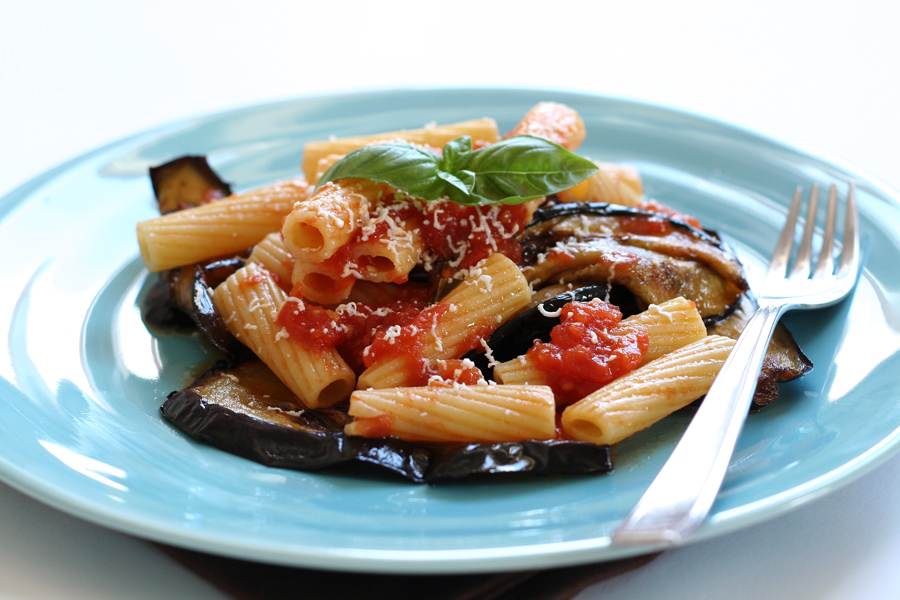
Rigatoni, concentrated tomato sauce and caramelized eggplant come together with basil and salty ricotta salata for a satisfying meatless pasta.
 30 min
Cold rice, well-fermented kimchi and gochujang fry into a smoky-spicy skillet meal finished with sesame oil, scallions and crisp-edged eggs.
 46 min
Glossy tamarind rice noodles carry quick-cooked shrimp and calamari, golden tofu, tender egg, crisp bean sprouts, chives, roasted cashews, and plenty of lime.