 40 min
Sichuan-Style Mapo Tofu with Pork & Steamed Rice
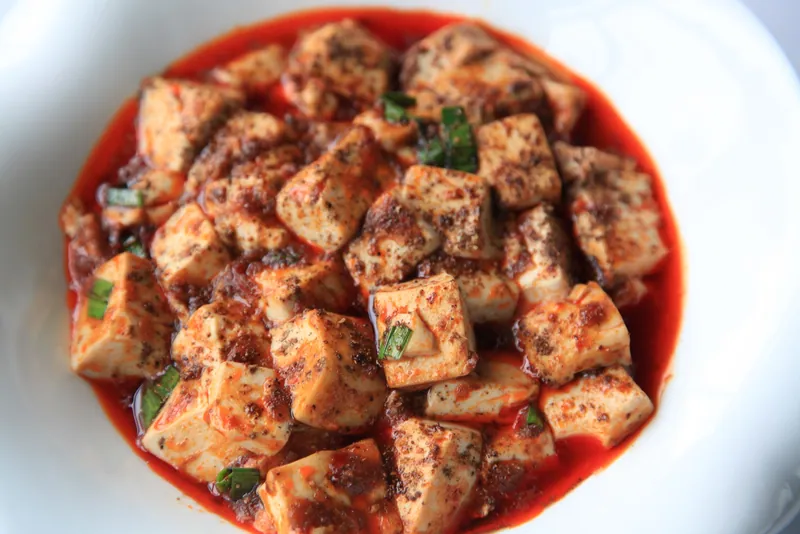
Silken tofu and a modest amount of pork simmer in a glossy chile-bean sauce, with Sichuan pepper and extra heat added to taste at the table.
Quick
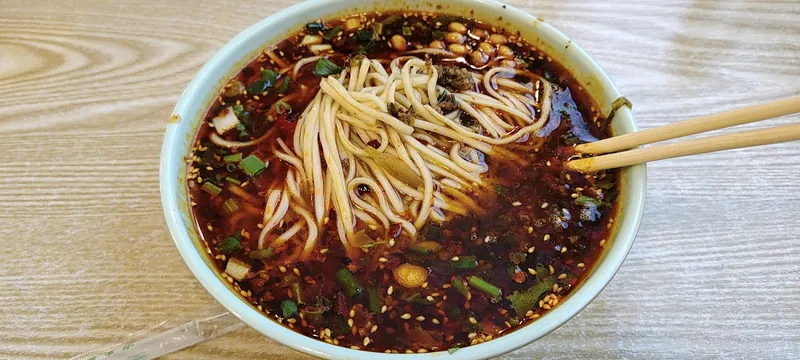
Springy wheat noodles, savory pork and preserved mustard greens meet a warm chile-sesame broth whose heat can be adjusted bowl by bowl.
Set a dry 12-inch skillet over medium-low heat. Add the Sichuan peppercorns and toast for 2 to 3 minutes, shaking often, until fragrant but not dark. Cool briefly, then grind finely in a spice grinder or mortar; reserve 1 teaspoon for the broth and save the remainder for another meal.
Return the skillet to medium-high heat and add the neutral oil. Add the pork and salt, press it into a thin layer and leave it undisturbed for 2 minutes. Break it into small crumbles and cook for 3 to 4 minutes more, until browned and the thickest pieces reach 160°F.
Reduce the heat to medium. Stir the garlic, ginger and doubanjiang into the pork for 45 seconds. Add the preserved mustard greens and cook for 2 minutes, stirring, until the mixture is fragrant and no liquid pools in the skillet. Remove from the heat and cover to keep warm.
In a heat-safe bowl, whisk the sesame paste, soy sauce, black vinegar, sesame oil, brown sugar, 2 tablespoons chile oil and the reserved 1 teaspoon ground Sichuan pepper until smooth. Divide this concentrated sauce evenly among four deep serving bowls.
Bring the chicken broth to a bare simmer in a small saucepan. Meanwhile, cook the wheat noodles in a large pot of unsalted boiling water according to the package directions until just tender. Drain immediately and shake off excess water; do not rinse.
Whisk 3/4 cup hot broth gradually into the sauce in each bowl, starting with a small splash so the sesame paste loosens smoothly. Divide the hot noodles among the bowls and stir once from the bottom to coat them.
Spoon the pork mixture over the noodles. Finish each bowl with scallions, peanuts, sesame seeds and cilantro, matching the visible red broth and green garnish in the photograph. Serve immediately with extra chile oil and ground Sichuan pepper at the table.
Useful kitchen gear
Compare the function and specifications first; skip anything your kitchen already handles well.
For the best texture, refrigerate the pork topping, broth, sesame sauce and cooked noodles in separate shallow containers within 2 hours. Use within 3 days. Reheat the broth and pork together to 165°F, loosen the sesame sauce with a spoonful of hot broth and warm the noodles briefly in boiling water before assembling. Freezing is not recommended because the sesame emulsion can separate and the noodles become soft.
Yes. Use 2 teaspoons doubanjiang in the pork and omit chile oil from the shared sesame base. Put chile oil and ground Sichuan pepper on the table so diners can increase both heat and numbing spice in their own bowls.
Sui mi ya cai is a finely chopped Sichuan preserved mustard green that adds concentrated savory, fermented flavor. It is traditional and useful here, but another preserved mustard green works; start with less, since salt levels differ by brand.
The hot broth was probably added too quickly or the sesame paste was not fully stirred. Whisk in the first 2 tablespoons of broth until completely smooth, then add the remainder in a thin stream. The noodles and toppings can go in once the base is glossy.
Chinese pantry and texture guide
Compare broth-loosened sesame dan dan noodles, glossy chile-bean mapo tofu, long-simmered red-braised beef noodle soup and pan-fried layered scallion pancakes by sauce structure, pantry ingredients, texture and hands-on time.
40 min
Silken tofu and a modest amount of pork simmer in a glossy chile-bean sauce, with Sichuan pepper and extra heat added to taste at the table.
 195 min
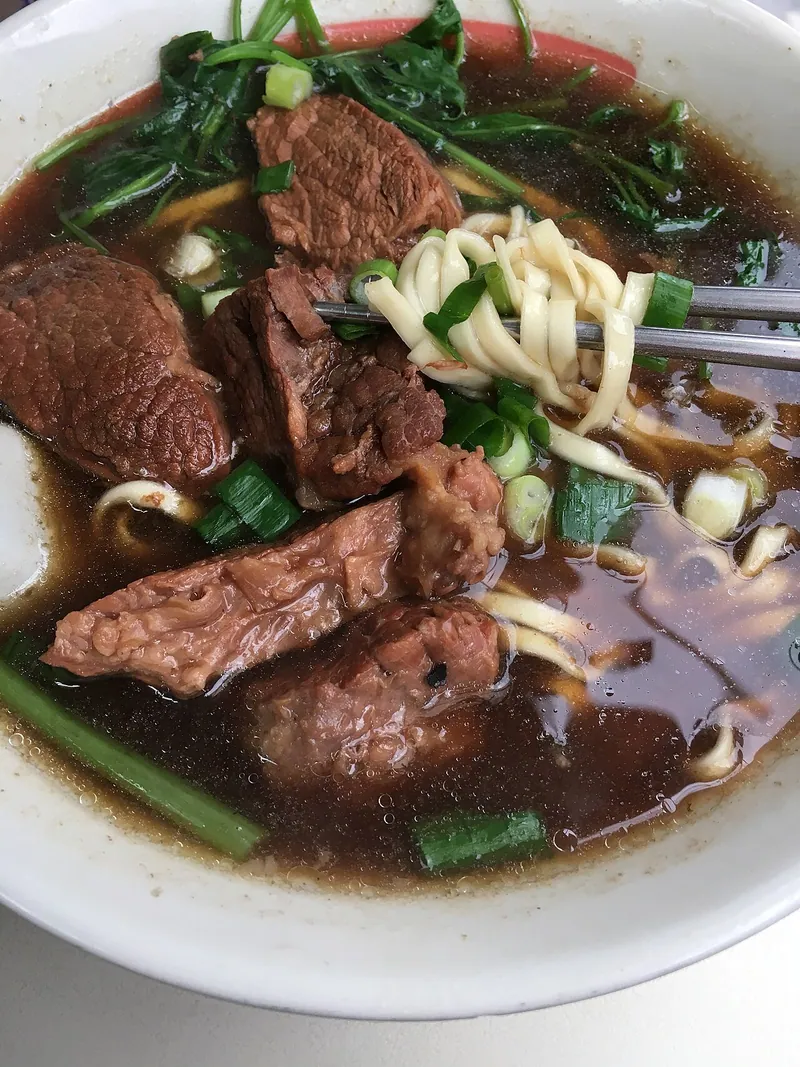
Fork-tender beef chuck, chewy wheat noodles and leafy greens meet a deeply savory tomato, chile-bean and five-spice broth built for a restorative weekend meal.
 105 min
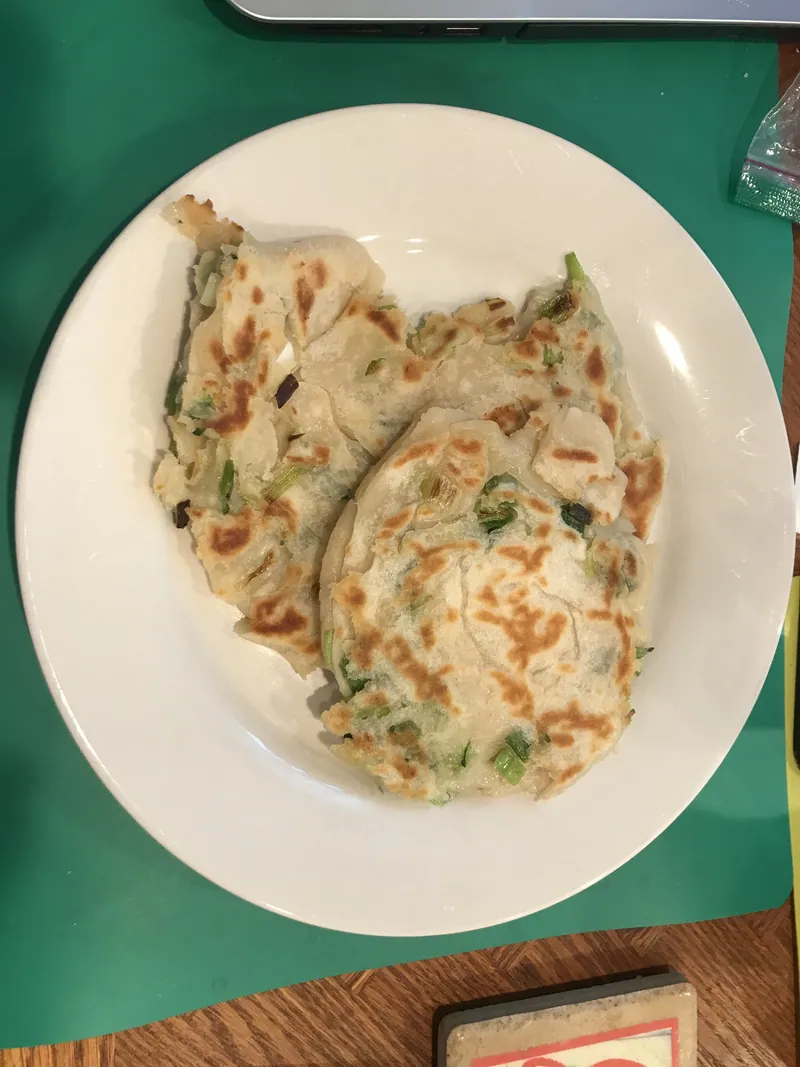
Hot-water dough, toasted sesame oil and abundant scallions roll into savory spirals that pan-fry crisp outside and chewy within.
Cook next
 40 min
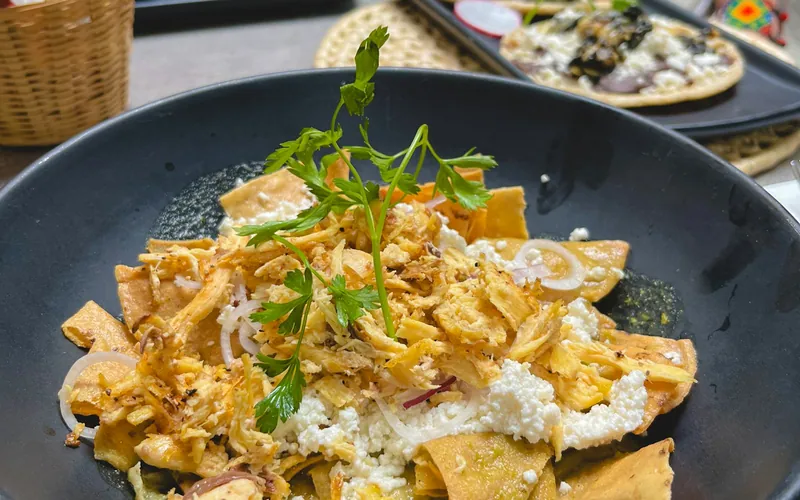
Roasted tomatillo salsa, tender shredded chicken and sturdy tortilla chips come together in a bright, savory skillet finished with cool crema, Cotija, red onion and cilantro.
 45 min
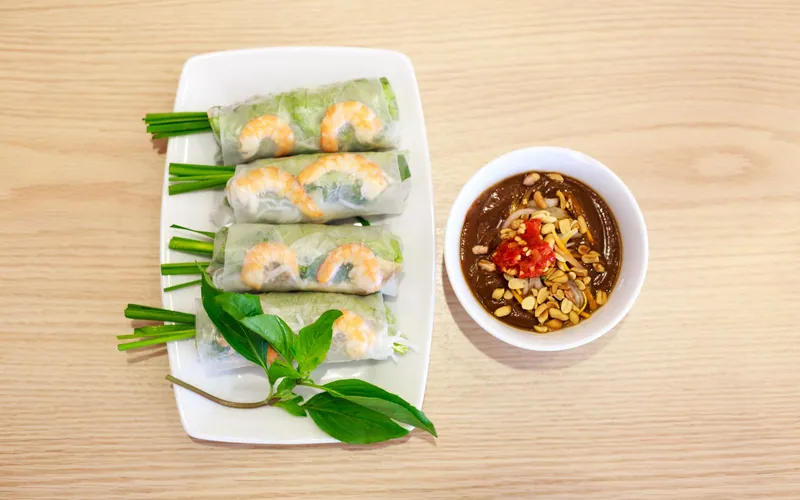
Translucent rice-paper rolls bundle tender shrimp, rice noodles, crisp vegetables, lettuce and herbs beside a creamy, savory-sweet peanut dipping sauce.
 55 min
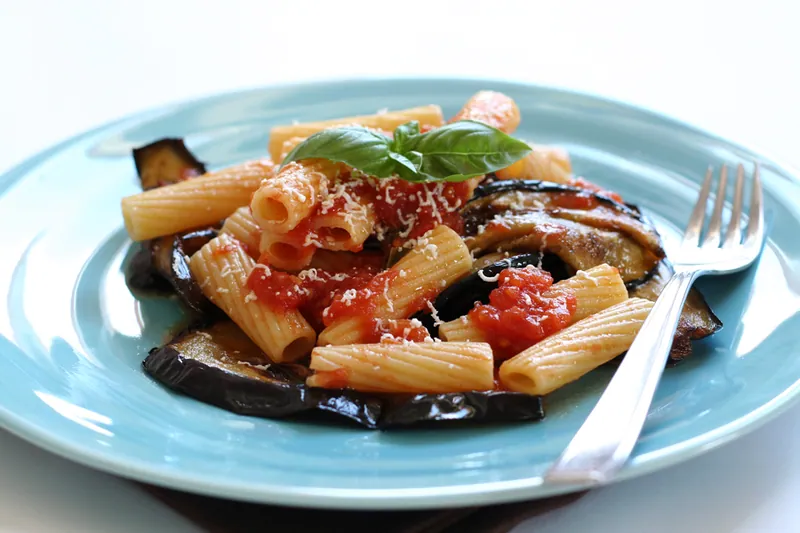
Rigatoni, concentrated tomato sauce and caramelized eggplant come together with basil and salty ricotta salata for a satisfying meatless pasta.
 35 min
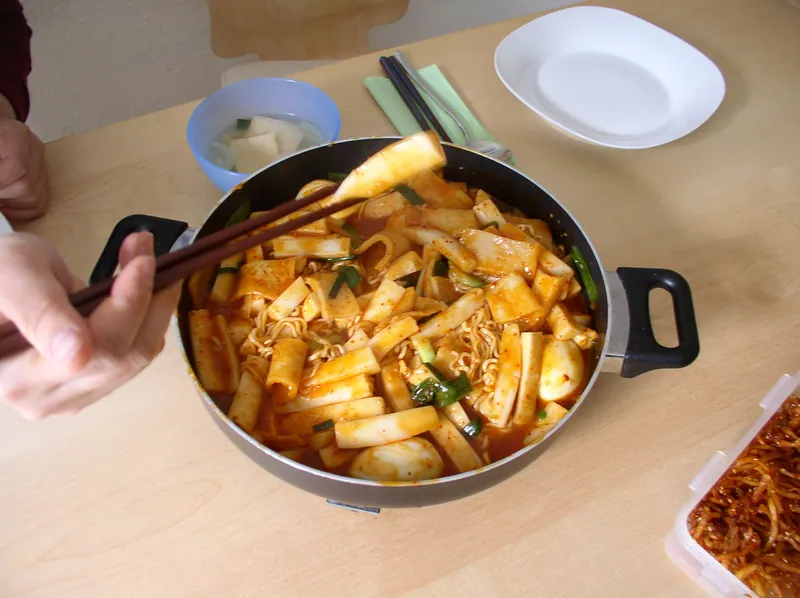
Chewy rice cakes and folded fish cakes simmer in a glossy, gently spicy gochujang broth with cabbage, carrots and scallions.