 75 min
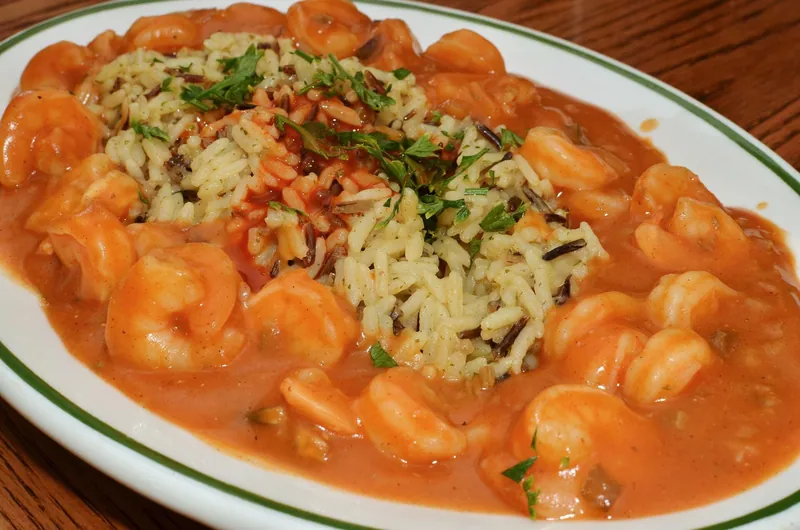
Louisiana-Style Shrimp Étouffée with Wild-Rice Pilaf
Tender shrimp simmer briefly in a buttery, brick-orange Cajun gravy and surround a mound of parsley-flecked long-grain and wild-rice pilaf.
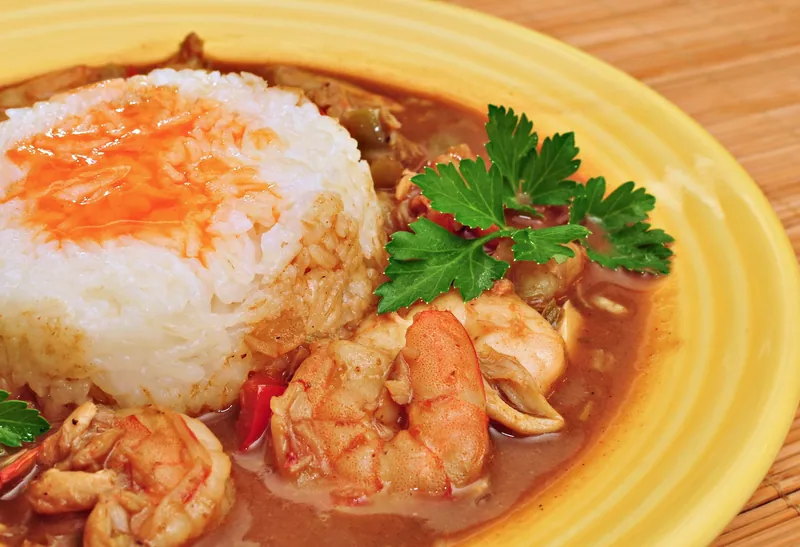
Photo: jeffreyw / Wikimedia Commons · CC BY 2.0
Weekend
A patient mahogany roux, shrimp-shell stock, tender okra and the Cajun trinity build a deeply savory gumbo finished with pearly shrimp, sweet lump crab and a mound of white rice.
Peel and devein the shrimp, reserving every shell. Refrigerate the shrimp. Combine the shells, 7 cups cold water, 1 bay leaf and the peppercorns in a saucepan. Bring just to a boil, reduce to a gentle simmer and cook uncovered for 25 minutes. Strain through a fine-mesh sieve without pressing the shells; measure 6 cups stock, adding water only if needed. Keep hot over low heat.
Combine the rinsed rice, 3 cups water and 3/4 teaspoon salt in a medium saucepan. Bring to a boil, stir once, cover and reduce to the lowest heat. Cook 16 minutes, remove from the heat and rest covered for 10 minutes. Fluff, cover again and hold off heat so the grains stay distinct for the photographed rice mounds.
Heat the oil in a heavy 6-quart Dutch oven over medium. Add the flour and whisk until smooth. Cook 28 to 35 minutes, switching to a flat-ended wooden spoon once the mixture loosens, and stir constantly into every corner until the roux is the color of milk chocolate. Lower the heat if it smokes or dark specks appear. If it smells scorched, discard it and begin again; burned roux cannot be repaired.
Immediately add the onion, bell pepper and celery; the vegetables will hiss and cool the roux. Cook over medium-low heat for 8 to 10 minutes, stirring frequently, until softened. Add the garlic, tomato paste, paprika, thyme, cayenne, black pepper, scallion whites and remaining bay leaf. Cook 2 minutes until fragrant and the tomato paste darkens.
While the trinity softens, heat a dry 12-inch skillet over medium-high. Add the well-dried okra and cook 6 to 8 minutes, stirring occasionally, until the surfaces lose their frosty wetness and several edges brown. Scrape the okra into the Dutch oven. This separate step keeps the gumbo cohesive rather than stringy.
Add the hot shrimp stock to the roux mixture 1 cup at a time, whisking smooth after each addition. Stir in the Worcestershire and 1 1/4 teaspoons salt. Bring to a boil, then reduce to a steady uncovered simmer for 40 to 45 minutes. Stir along the bottom every 8 to 10 minutes and skim only obvious pools of oil; the finished broth should coat a spoon lightly but remain ladleable.
Season the chilled shrimp with the remaining 1/4 teaspoon salt. Add them to the gently simmering gumbo and cook 3 to 5 minutes, stirring once, until their flesh is firm, pearly and opaque; the thickest shrimp should reach 145°F when checked with a thin-probe thermometer. Fold in the crab and heat 1 to 2 minutes, just until steaming, so the lumps stay intact.
Remove both bay leaves. Stir in the lemon juice, half the scallion greens and half the parsley. Taste and adjust salt, cayenne or hot sauce. Pack about 3/4 cup rice into a small bowl and invert it into each wide shallow bowl. Ladle the dark gumbo around—not over—the rice, position visible shrimp and crab near the front, and finish with the remaining parsley and scallions plus a few drops of hot sauce on the rice if desired.
Useful kitchen gear
Compare the function and specifications first; skip anything your kitchen already handles well.
Cool the gumbo and rice in separate shallow containers and refrigerate within 2 hours. Keep the gumbo up to 3 days and the rice up to 4 days. Reheat gumbo gently over medium-low heat, stirring often, until it reaches 165°F; microwave rice with 1 tablespoon water per cup until 165°F. For best freezer texture, freeze the finished roux-and-okra base before adding seafood for up to 3 months, thaw overnight, bring to a simmer and add fresh shrimp and crab. Fully cooked gumbo can be frozen up to 2 months, but the shrimp will be firmer after reheating.
This gumbo uses an oil-based roux cooked much darker, six cups of shrimp-shell stock, okra and a longer simmer to make a ladleable stew. Étouffée is usually a smaller batch of shrimp in a lighter, butter-rich gravy spooned around rice. The ingredients overlap, but the roux color, liquid ratio and finished texture are different.
Yes. Complete the recipe through the 45-minute simmer, cool the base in shallow containers and refrigerate up to 2 days. Reheat it to a steady simmer, then add the raw shrimp and cooked crab as directed. Cook fresh rice while the base reheats.
A glossy layer of oil can appear as a dark roux cooks and is not automatically a failure; keep stirring and add the vegetables on schedule. After the vegetables soften, whisk hot stock in gradually. Hard black flecks or an acrid smell indicate scorching, and the only reliable fix is to discard the roux and restart.
Seafood pots by broth and thickener
Compare dark-roux shrimp and crab gumbo, butter-roux shrimp étouffée, tomato-wine cioppino and saffron seafood paella by thickener, liquid ratio, seafood timing, rice placement and make-ahead limits.
75 min
Tender shrimp simmer briefly in a buttery, brick-orange Cajun gravy and surround a mound of parsley-flecked long-grain and wild-rice pilaf.
 75 min
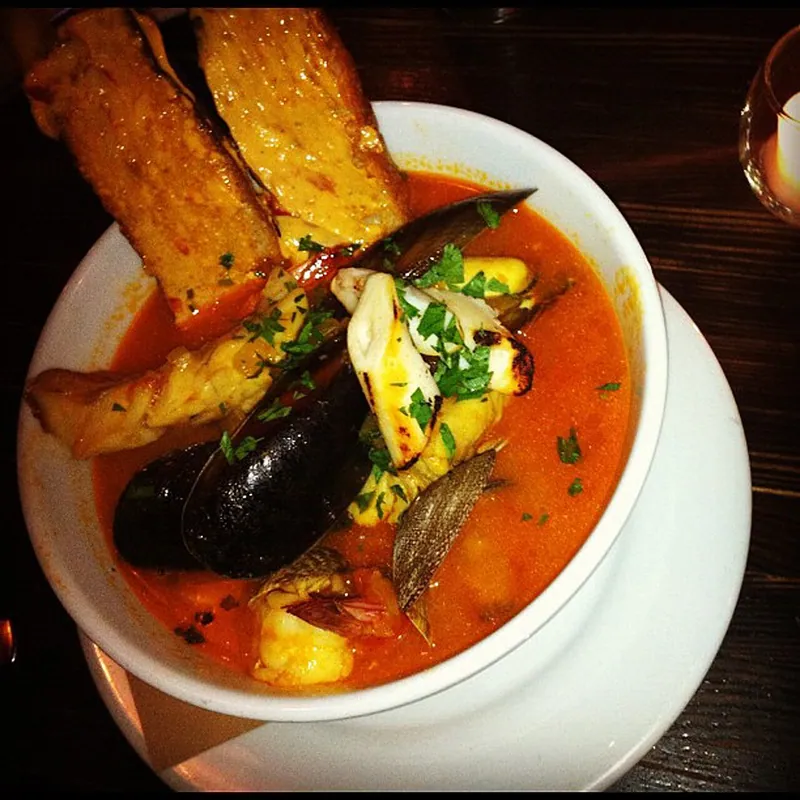
Crab, mussels, clams, shrimp and firm white fish poach in a garlicky tomato-wine broth, with crisp sourdough toast ready to catch every drop.
 75 min
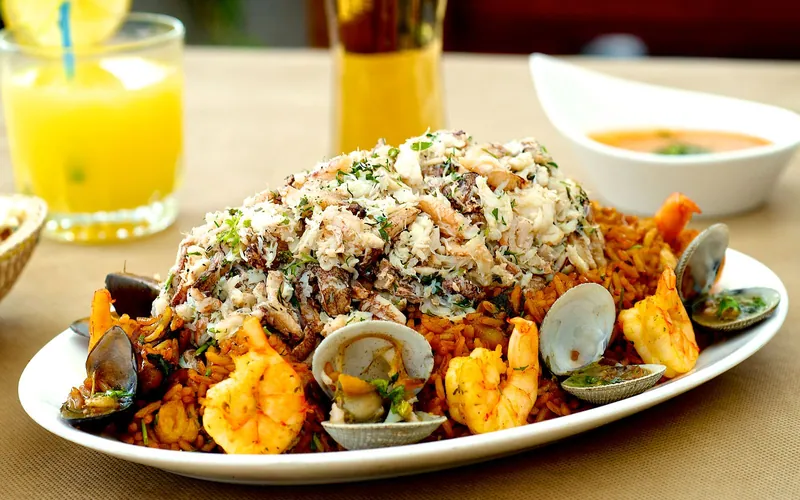
Saffron-scented rice cooks in one wide skillet beneath juicy shrimp, briny clams and mussels, and sweet lump crab, with a crisp golden socarrat and bright lemon finish.
Cook next
 110 min
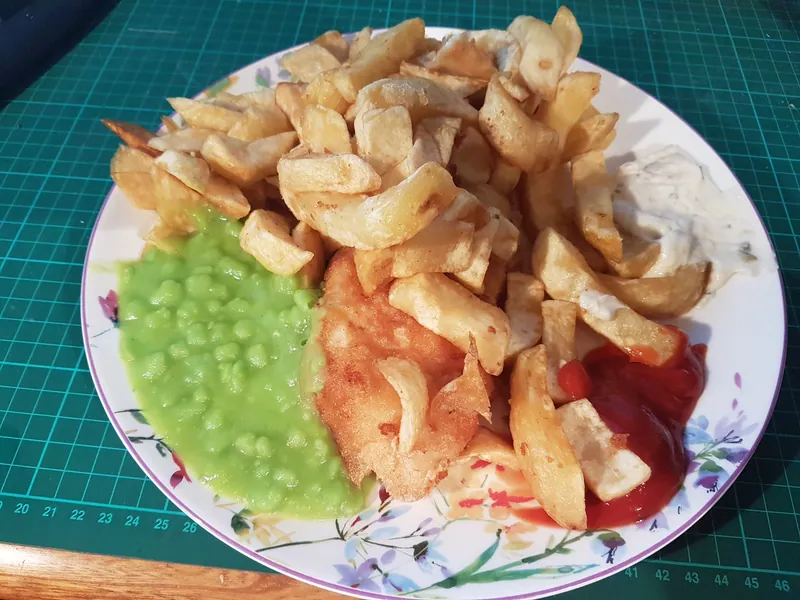
Crisp, airy beer-battered cod and twice-fried chips share the plate with minty mushy peas, lemon and a sharp homemade tartar sauce.
 70 min
Lacy turmeric rice crêpes crackle around savory pork, shrimp and bean sprouts, ready to wrap in cool lettuce with mint and a bright garlic-lime dipping sauce.
75 min
Crab, mussels, clams, shrimp and firm white fish poach in a garlicky tomato-wine broth, with crisp sourdough toast ready to catch every drop.
 85 min
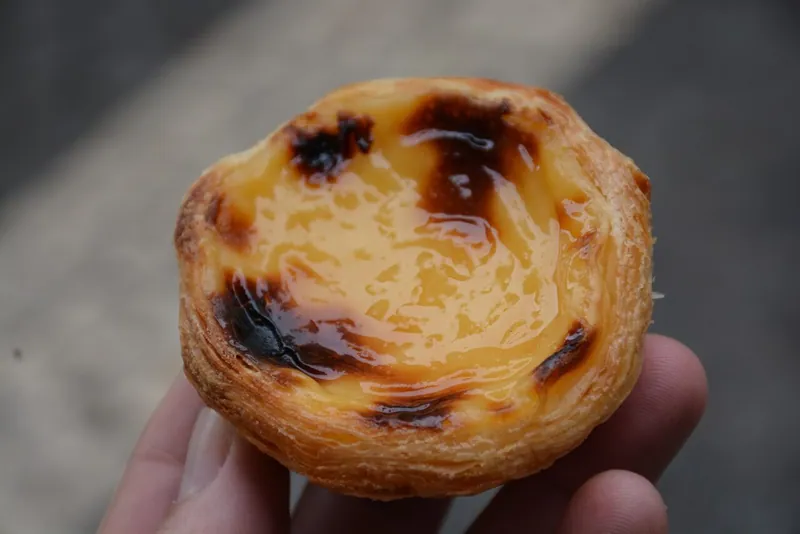
Spiral-layered puff pastry cradles silky lemon-cinnamon custard baked at fierce heat until the tops blister and the shells shatter.