 190 min
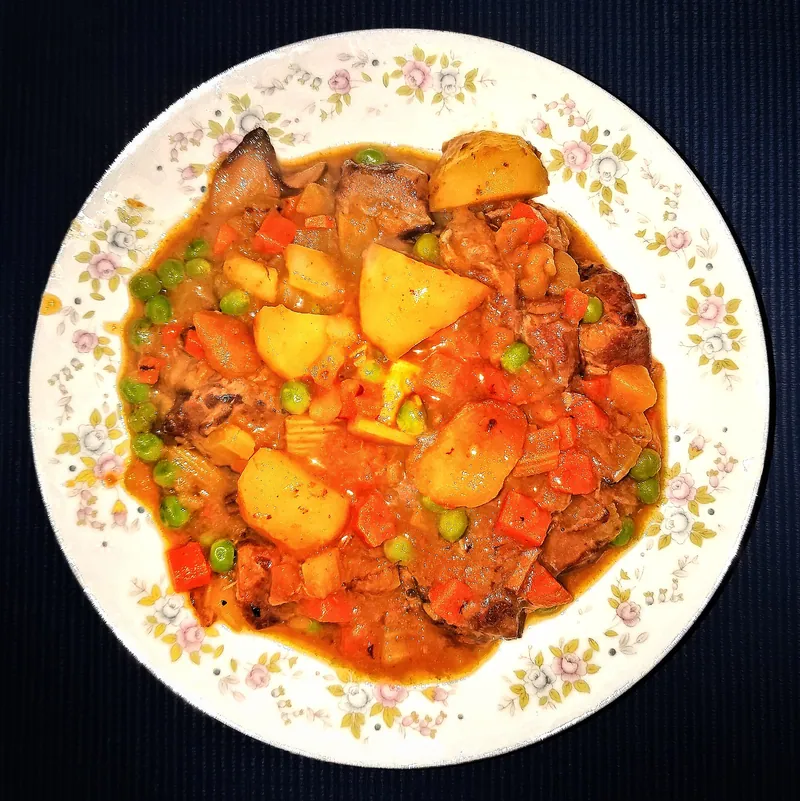
Oven-Braised Beef Stew with Potatoes, Mushrooms & Peas
Deeply browned beef chuck, potatoes, carrots and mushrooms become spoon-tender in a red-wine gravy, with sweet peas stirred in just before serving.
One-Pot Dinners
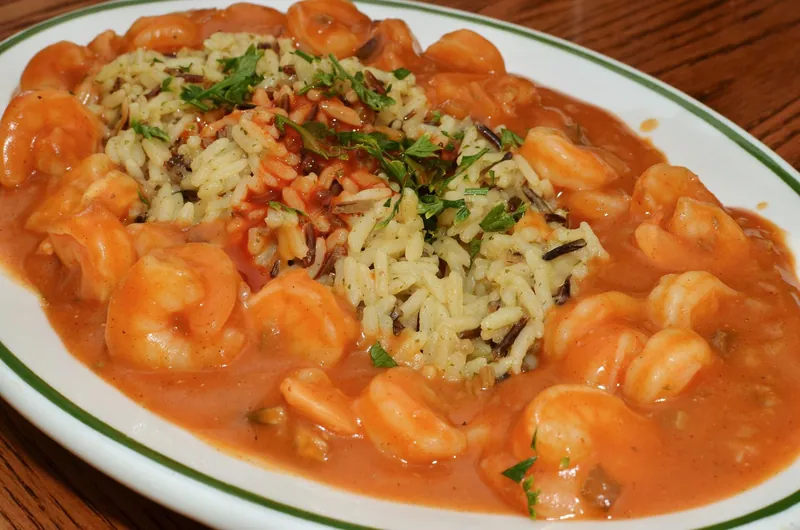
Tender shrimp simmer briefly in a buttery, brick-orange Cajun gravy and surround a mound of parsley-flecked long-grain and wild-rice pilaf.
Combine the wild rice and 1 1/2 cups chicken stock in a medium saucepan. Bring to a boil, reduce to the lowest simmer, cover and cook for 25 minutes. The grains will have started to split but will not yet be tender.
Stir the rinsed white rice, remaining 1 cup chicken stock, 1 tablespoon butter and 1/4 teaspoon salt into the wild rice. Return to a simmer, cover and cook over low heat for 18 minutes. Remove from the heat, leave covered for 10 minutes, then fluff and fold in 2 tablespoons parsley. If your wild rice is unusually firm after the rest, add 2 tablespoons hot water, cover and steam over low heat for 5 minutes more.
While the pilaf cooks, pat the shrimp very dry. Toss them with 1/2 teaspoon Cajun seasoning and the remaining 1/4 teaspoon salt, then refrigerate while you build the gravy. Keeping the shrimp cold prevents them from overcooking before the sauce is ready.
Melt 6 tablespoons butter in a wide 5-quart sauté pan or Dutch oven over medium heat. Whisk in the flour and cook for 8 to 10 minutes, whisking almost constantly, until the roux is smooth and the color of peanut butter. Reduce the heat if dark specks appear; a scorched roux must be discarded.
Add the onion, bell pepper and celery to the roux. Cook for 7 to 8 minutes, stirring frequently, until the vegetables soften and the onion turns translucent. Add the garlic, tomato paste, scallion whites and remaining 1 teaspoon Cajun seasoning; cook for 2 minutes, until the paste darkens slightly.
Slowly whisk in the 2 cups seafood stock, about 1/2 cup at a time, smoothing the sauce after each addition. Stir in the Worcestershire, hot sauce, bay leaf, thyme and black pepper. Bring to a gentle simmer and cook uncovered for 12 to 15 minutes, stirring often, until the gravy coats the back of a spoon but still flows around the rice.
Reduce the heat to medium-low and add the seasoned shrimp in one layer. Simmer gently for 3 to 5 minutes, stirring once, until the shrimp are opaque, curled into loose C shapes and reach 145°F in the thickest pieces. Do not continue cooking after they form tight O shapes.
Remove the bay leaf. Stir in the lemon juice, half the scallion greens and all but 1 tablespoon of the remaining parsley. Taste and add salt or hot sauce only as needed. If the gravy is too thick, loosen it with hot stock 1 tablespoon at a time.
Pack about 3/4 cup pilaf into a small bowl and invert it in the center of each warm plate. Spoon the shrimp and flowing orange-brown gravy around the rice, leaving the rice mound visible, then scatter with the reserved parsley and scallion greens.
Useful kitchen gear
Compare the function and specifications first; skip anything your kitchen already handles well.
Divide the pilaf and étouffée into separate shallow containers and refrigerate within 2 hours for up to 3 days. Reheat the gravy gently over medium-low heat, adding a splash of stock, until it reaches 165°F; prolonged boiling will toughen the shrimp. Reheat rice with 1 tablespoon water per serving, covered, to 165°F. Freeze the gravy without shrimp for up to 2 months; freshly cook and add shrimp after thawing.
The stock was added too quickly or was very cold. Whisk in room-temperature or warm stock gradually, smoothing each addition before adding more. If small lumps remain, strain the gravy before returning the vegetables and adding shrimp.
Prepare the pilaf and gravy through the 15-minute simmer up to 1 day ahead, cool promptly and refrigerate separately. Reheat the gravy to a gentle simmer, then add raw seasoned shrimp and cook to 145°F just before serving.
It should be thicker than gumbo but looser than pot-pie filling. The finished gravy should coat a spoon and pool around the rice. Use hot stock to loosen an overly thick sauce or simmer a thin sauce a few minutes before adding the shrimp.
Cook next
190 min
Deeply browned beef chuck, potatoes, carrots and mushrooms become spoon-tender in a red-wine gravy, with sweet peas stirred in just before serving.
 120 min
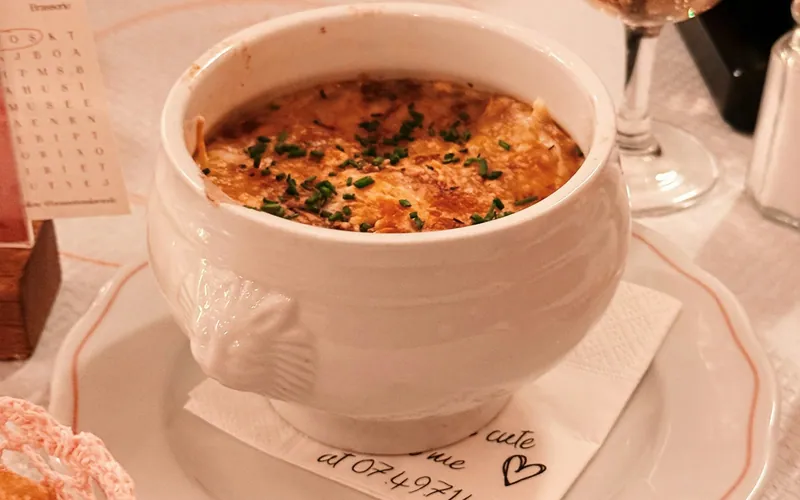
Slow-caramelized onions and thyme enrich a deeply savory broth beneath crisp baguette and a bubbling, browned Gruyère cap.
 75 min
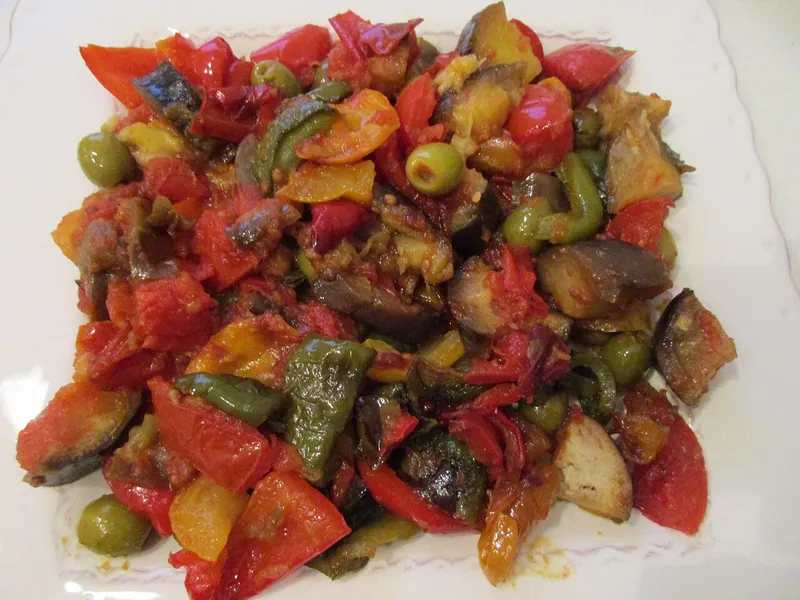
Eggplant, zucchini, sweet peppers and ripe tomatoes stay distinct yet silky in this stovetop vegetable braise, finished with briny green olives and fresh basil.
 55 min
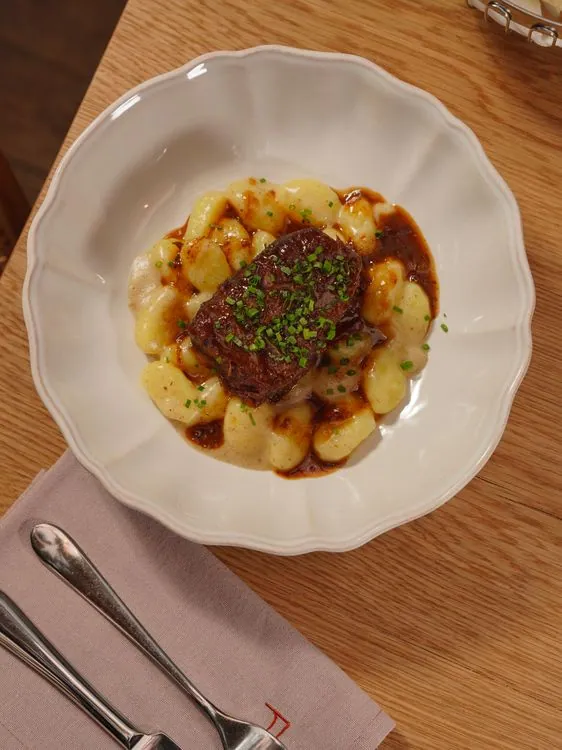
Pillowy gnocchi, ribbons of ribeye, deeply browned onions, and bubbling Gruyère in a beefy cream sauce.