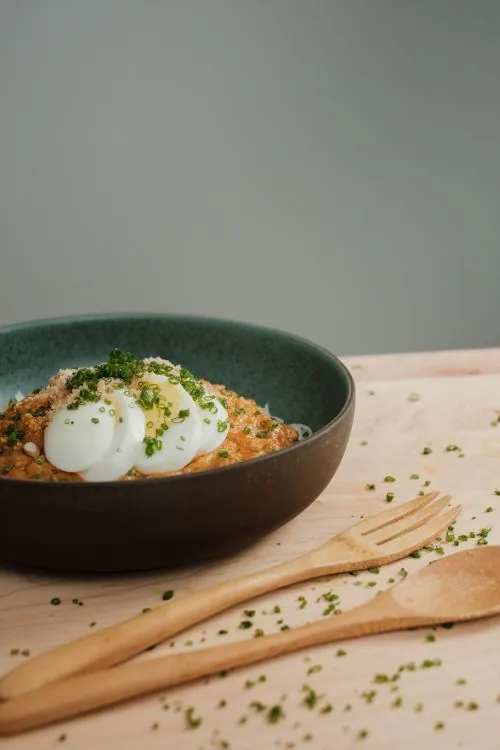
 30 min
Miso Savory Oats with Poached Eggs & Sesame-Chive Crunch
Creamy rolled oats take a savory turn with white miso and ginger, then finish with gently poached eggs and a crisp sesame-chive crumb for a practical 30-minute breakfast.
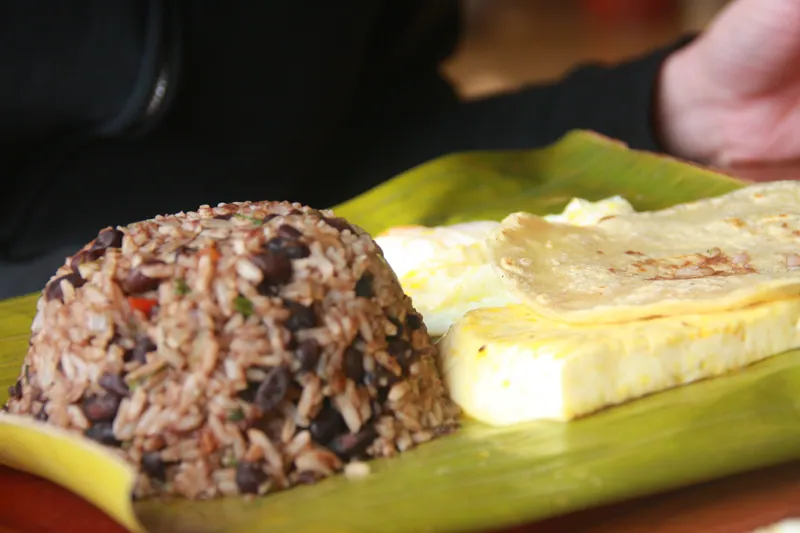
Photo: Legendre17 / Wikimedia Commons · CC BY 3.0
Breakfast Recipes
Separate, well-seasoned grains of rice and black beans are folded with pepper, onion, cilantro and Salsa Lizano, then served with fully cooked fried eggs, seared white cheese and warm corn tortillas for a practical Costa Rican-style breakfast.
Combine the rinsed rice, water, 1 teaspoon salt and 1 tablespoon oil in a 3-quart saucepan. Bring to a boil, stir once, cover and reduce the heat to low. Cook for 15 minutes, then remove from the heat and stand covered for 10 minutes. Fluff onto a rimmed sheet pan and cool for 20 minutes so the grains firm up and will not smear when folded with the beans. If using 4 1/2 cups cold cooked rice, skip this step.
While the rice cools, heat 1 tablespoon oil in a wide 12-inch skillet over medium. Add the onion, bell pepper and 1/2 teaspoon salt. Cook for 7 to 9 minutes, stirring often, until soft and lightly golden at the edges. Add the garlic and cumin and stir for 30 seconds, just until fragrant.
Add the drained beans, 1/2 cup reserved bean liquid, Salsa Lizano and black pepper. Simmer for 4 to 6 minutes, stirring occasionally, until the beans are hot and the liquid has reduced to a glossy coating. Crush about 1/4 cup beans against the skillet with the back of the spoon; this small amount of starch helps the mixture cling to the rice without turning pasty.
Add the cooled rice in three additions, folding gently after each so the beans remain mostly whole and the grains become evenly stained. Add the remaining 1/4 cup bean liquid only if the mixture looks dry. Fold in three-quarters of the cilantro and 1/2 teaspoon salt. Cook for 5 to 7 minutes, turning broad sections against the hot skillet until steaming throughout with a few toasted patches. Taste and adjust with a small splash of Salsa Lizano or salt. Cover and hold over the lowest heat.
Heat a second large nonstick or well-seasoned skillet over medium. Add 1 tablespoon oil, then arrange the dry cheese slabs in one layer. Cook for 2 to 3 minutes per side until golden patches form and the slabs release cleanly. Transfer to a warm plate. If using halloumi, rinse and dry it first when the brand is particularly salty.
Return the cheese skillet to medium-low and add 1 tablespoon oil. Crack in 3 eggs, cover and cook for 3 to 5 minutes, until the whites are opaque and the yolks are firm or the centers reach 160°F. Transfer to the warm plate and repeat with the remaining tablespoon oil and 3 eggs. Do not rely on the white alone as a doneness cue.
While the second egg batch cooks, warm the tortillas in a dry skillet over medium for 20 to 30 seconds per side, stacking them under a clean towel as they come off the heat. Alternatively, wrap the stack in a barely damp towel and microwave for 45 to 60 seconds until flexible and steaming.
Pack about 1 1/4 cups gallo pinto into a small bowl and invert it onto each of six plates for a neat mound. Add one fully cooked fried egg, one seared slab of white cheese and two folded corn tortillas. Scatter the remaining cilantro over the rice and serve with extra Salsa Lizano. A clean banana leaf may line the plate for the photographed presentation, but it is optional and not counted in the ingredients.
Useful kitchen gear
Compare the function and specifications first; skip anything your kitchen already handles well.
Cool leftover gallo pinto in a shallow container within 2 hours and refrigerate at 40°F or below for up to 4 days. Refrigerate cooked eggs and cheese separately for up to 3 days; tortillas keep refrigerated for up to 5 days. Reheat the rice-and-bean mixture in a covered skillet with 1 tablespoon water per serving, stirring until it reaches 165°F throughout. Reheat cheese briefly in a dry skillet and cook fresh eggs when possible. Freeze gallo pinto alone for up to 2 months, thaw overnight in the refrigerator and reheat to 165°F; do not freeze the assembled plate.
Warm wet rice and excess bean liquid are the usual causes. Cool fresh rice in a thin layer or use day-old rice, reduce the seasoned bean liquid until glossy before adding rice and fold with a broad spatula instead of stirring continuously. Add the final reserved liquid only if the grains look dry.
Yes, but it will not taste identical. Use the listed Worcestershire-lime-brown-sugar combination for a similar savory, tangy and lightly sweet balance, then adjust after the rice is hot. Do not pour in extra liquid all at once, because a wet skillet softens the grains.
Cook the rice up to 3 days ahead and refrigerate it promptly, or make the complete gallo pinto up to 4 days ahead. Reheat the rice and beans to 165°F, sear or warm the cheese separately and fry the eggs just before serving so the distinct textures stay close to the photographed plate.
Breakfast base and egg guide
Compare skillet-finished gallo pinto with creamy stovetop miso oats, sweet baked oatmeal, pressure-cooked fava beans and poached eggs over garlicky yogurt by base, texture, active time and make-ahead limits.
30 min
Creamy rolled oats take a savory turn with white miso and ginger, then finish with gently poached eggs and a crisp sesame-chive crumb for a practical 30-minute breakfast.
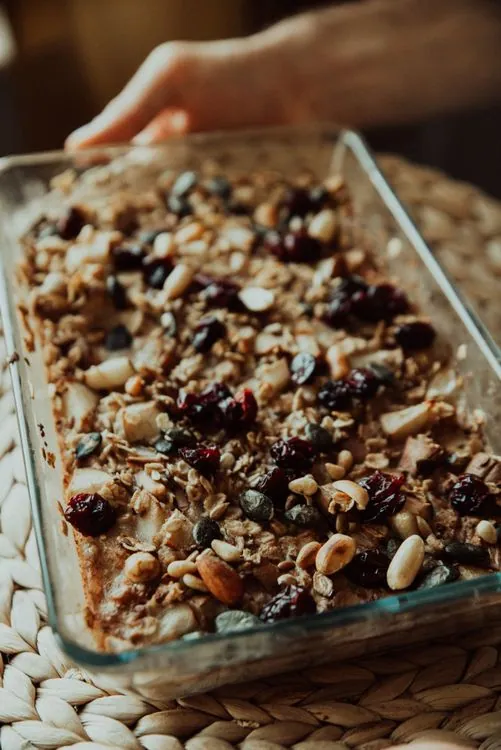 50 min
Warm, sliceable oatmeal with tender apples and a crisp walnut top—breakfast for the whole week in one pan.
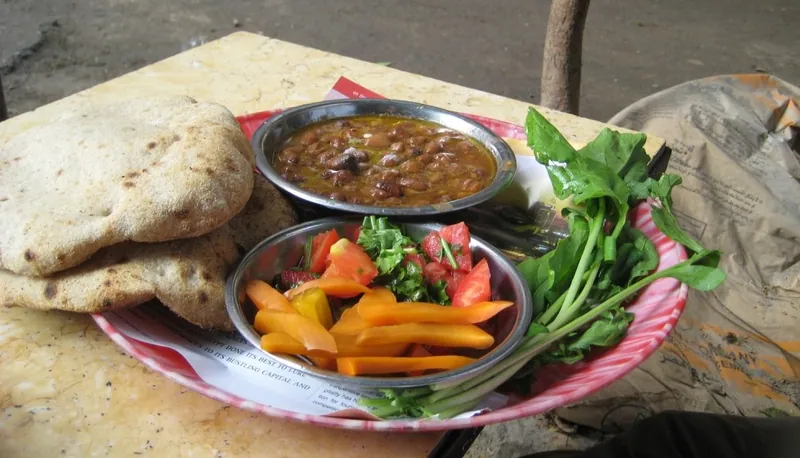 100 min
Creamy whole fava beans pressure-cook from an overnight soak, then become a lemon-cumin breakfast platter with warm pita, pickles, tomato and peppery greens.
 20 min
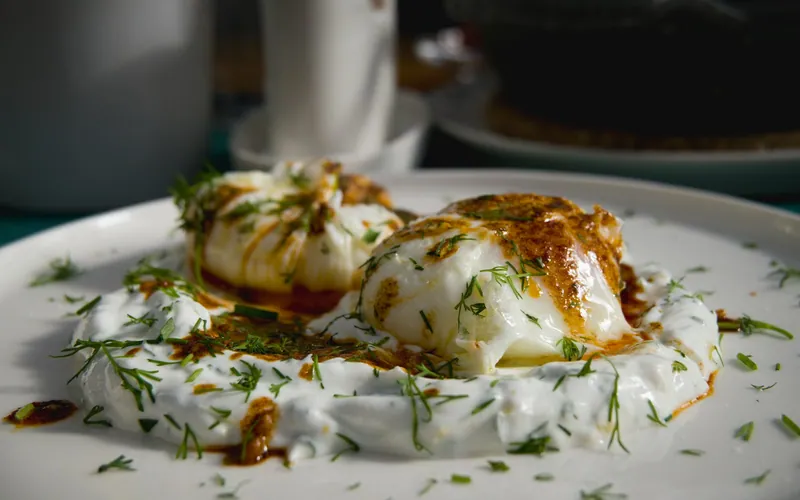
Soft poached eggs settle into cool garlicky yogurt under warm Aleppo-pepper butter and fresh dill for a fast, budget-friendly Turkish breakfast.
Cook next
20 min
Soft poached eggs settle into cool garlicky yogurt under warm Aleppo-pepper butter and fresh dill for a fast, budget-friendly Turkish breakfast.
30 min
Creamy rolled oats take a savory turn with white miso and ginger, then finish with gently poached eggs and a crisp sesame-chive crumb for a practical 30-minute breakfast.
 80 min
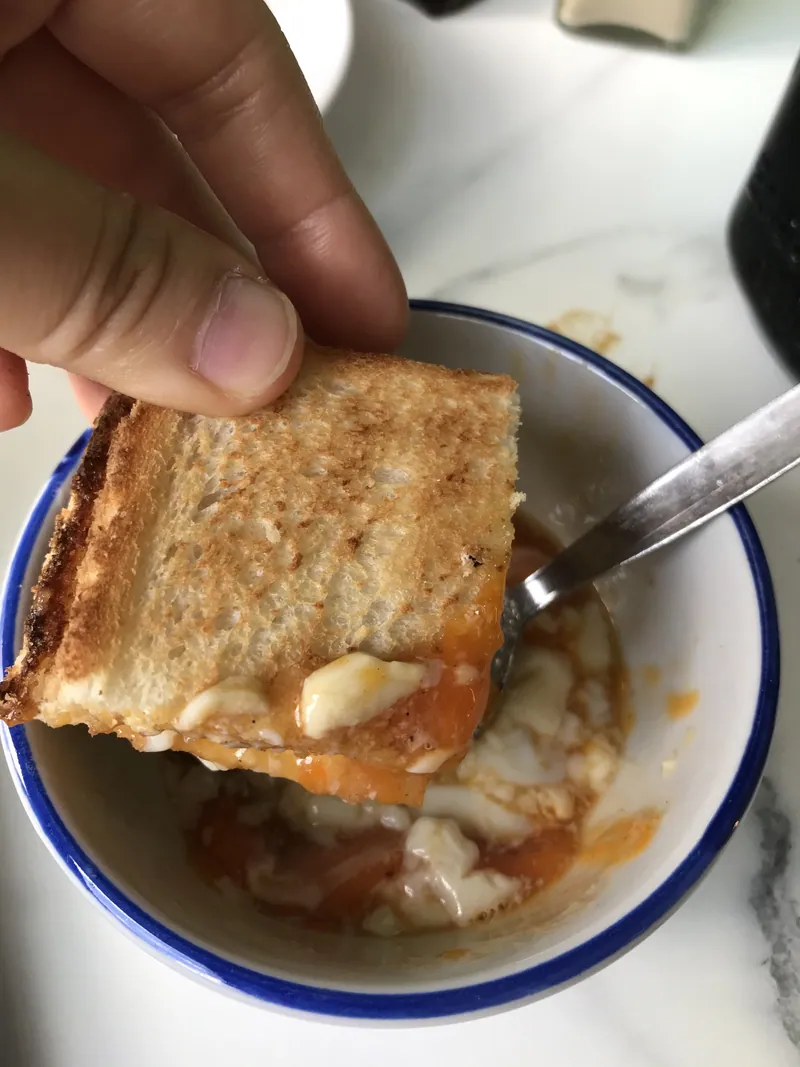
Crisp, thin toast encloses fragrant pandan-coconut kaya and cold butter, ready to dip into peppery soft eggs for a complete Singapore kopitiam-style breakfast.
 45 min
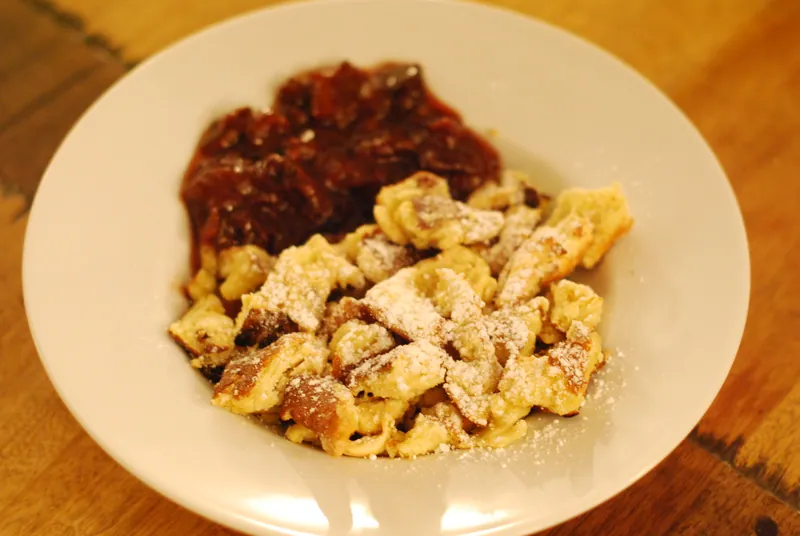
Fluffy caramelized pancake pieces with rum-soaked raisins, a snowfall of confectioners' sugar and a tart cinnamon-plum compote.