Crisp, thin toast encloses fragrant pandan-coconut kaya and cold butter, ready to dip into peppery soft eggs for a complete Singapore kopitiam-style breakfast.
Bring 1 inch of water to a bare simmer in a medium saucepan. Choose a heatproof bowl that rests over the pan without touching the water. Keep the heat low enough that only an occasional bubble breaks the surface; hard boiling can scramble the kaya around the bowl's rim.
Whisk and strain the kaya base
Whisk the 4 kaya eggs, sugar and salt in the heatproof bowl for 1 minute, until evenly combined but not foamy. Slowly whisk in the coconut milk. Pour the mixture through a fine-mesh strainer into a second clean heatproof bowl, pressing through any egg strands, then add the pandan knots.
Cook the pandan-coconut kaya
Set the bowl over the barely simmering water. Stir slowly and continuously with a flexible spatula, scraping the bottom and sides, for 35 to 45 minutes. The kaya is ready when it reaches 160°F in several spots, coats the spatula and falls back in a ribbon that remains visible for about 3 seconds. Remove the pandan. If small curds formed, press the warm kaya through the clean strainer again.
Cool to a spreadable consistency
Transfer the kaya to a shallow bowl and press parchment directly on its surface. Cool for 15 minutes, stirring once halfway through; it will thicken from loose custard to a soft, glossy spread. Measure 1/2 cup for the toast and refrigerate the remaining kaya promptly for another breakfast.
Steep the pasteurized soft eggs
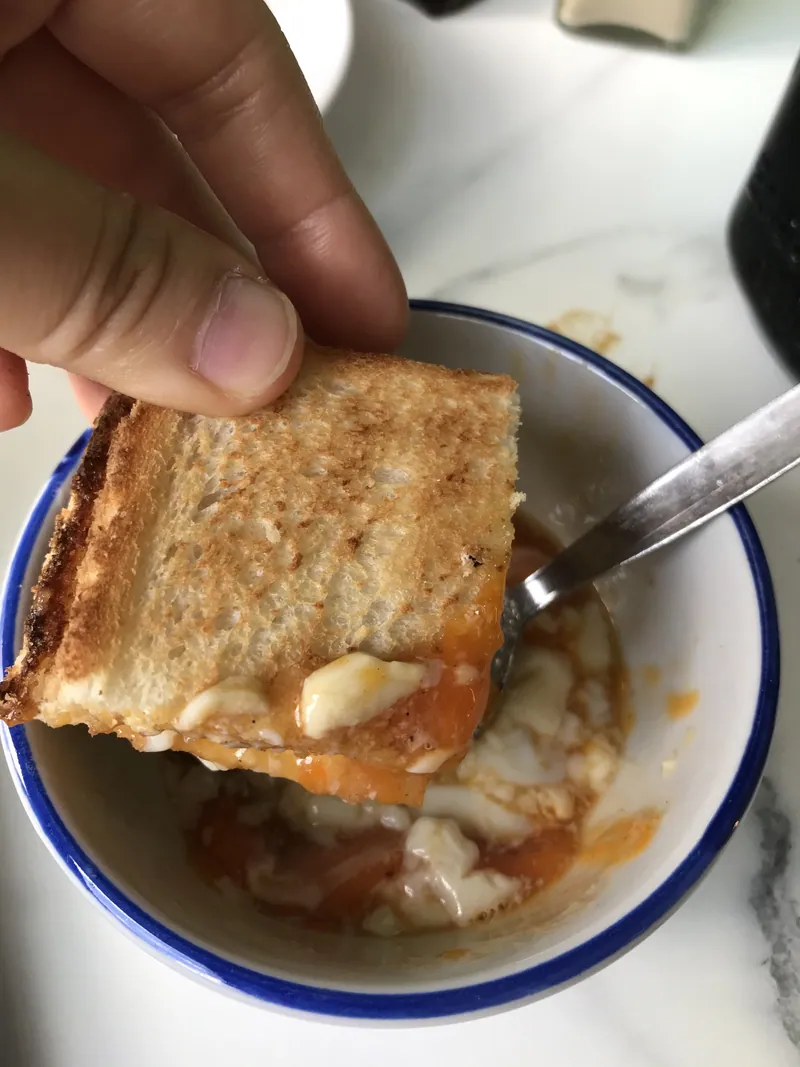
While the kaya cools, bring 6 cups water to a full boil in a saucepan with a tight lid. Remove the pan from the heat, lower in the 8 room-temperature pasteurized eggs, cover and steep for 7 minutes for loose whites and runny yolks like the photographed dish. Transfer directly to a towel-lined bowl and serve at once. For anyone at higher risk of foodborne illness, or when pasteurized shell eggs are unavailable, continue cooking until both white and yolk are firm instead of serving them soft.
Toast the bread thin and crisp
Toast the bread in a toaster on a medium setting until evenly golden and crisp, working in batches if needed. If using an oven, arrange the slices on a rack set over a sheet pan and bake at 375°F for 4 to 6 minutes per side. Trim the crusts only if you want the classic neat-edged presentation.
Build four kaya-butter sandwiches
Spread 2 tablespoons cooled kaya over each of 4 toast slices, reaching the edges. Lay 1 tablespoon cold butter in thin slabs over each layer of kaya, top with the remaining toast and press very lightly. Cut each sandwich in half so the crisp edges, coconut jam and pale butter remain distinct.
Season the eggs and dip
Crack 2 soft eggs into each of 4 shallow bowls. Add 1 teaspoon dark soy sauce and 1/8 teaspoon white pepper to each, then break the yolks once or twice with a spoon without fully blending them. Serve one warm kaya-toast sandwich beside each bowl and dip the crisp halves into the seasoned egg immediately.
Why this works
Why it worksA double boiler limits the custard's heat while continuous scraping prevents a cooked film from collecting around the bowl, producing smooth kaya without diluted coconut flavor.
Why it worksHeating the kaya to 160°F cooks its egg base thoroughly, while a final three-second ribbon gives a more useful doneness cue than color, which changes with the pandan and sugar used.
Why it worksA shallow cooling bowl sheds heat quickly and lets the kaya finish thickening before it touches crisp bread.
Why it worksCold butter stays in a distinct creamy layer between warm toast and fragrant kaya instead of disappearing into the bread.
Why it worksOff-heat steeping treats every serving egg to the same measured water temperature; using pasteurized shell eggs addresses the added risk of the deliberately runny center.
Useful kitchen gear
Tools that make this easier.
Compare the function and specifications first; skip anything your kitchen already handles well.
Paid links: As an Amazon Associate I earn from qualifying purchases. You pay no additional cost.
Use 1 teaspoon pandan extract when leaves are unavailable. Add it after the kaya reaches 160°F so the aroma does not cook away; the color may be brighter than leaf-infused kaya.
For a fast weekday version, replace the homemade batch with 1/2 cup store-bought kaya, warm it to room temperature and begin with the egg step. Check the label if avoiding dairy or gluten.
Firm multigrain sandwich bread works in place of white Pullman bread, although its seeds and thicker crumb make a less delicate sandwich.
Tamari can replace dark soy sauce for a gluten-free serving condiment, but confirm that the bread and kaya are also certified gluten-free.
For fully cooked eggs, simmer rather than steep them for 10 to 11 minutes, chill for 1 minute and halve them beside the toast; they will not create the same dipping sauce but meet the firm-yolk safety guidance.
Cook notes
Pandan leaves are usually sold in the refrigerated or frozen section of Southeast Asian grocers. Bruising and knotting them exposes more surface area while keeping the leaves easy to remove.
Keep the double-boiler water below the bowl. Direct contact with the water raises the custard temperature too quickly and causes grainy curds before the center thickens.
The Singapore National Heritage Board describes kaya toast with two soft-boiled eggs and kopi or tea as a traditional breakfast shaped by Hainanese coffee-shop culture. This recipe focuses on the food set; serve coffee or tea separately if desired.
The FDA advises pasteurized eggs for preparations served raw or undercooked and otherwise recommends cooking yolks and whites until firm. Pasteurized shell eggs are therefore specified for the traditional runny dipping eggs; the kaya itself is cooked to 160°F.
Calories and cost estimate one sandwich, two serving eggs, seasonings and the portion of kaya used on the toast. The extra jar of kaya is not counted as if it were eaten in the same serving.
Storage
Refrigerate the cooled kaya in a clean airtight jar at 40°F or below for up to 5 days; do not double-dip into the jar. Freeze kaya for up to 1 month, thaw overnight in the refrigerator and whisk before using. Kaya-butter sandwiches are best assembled to order, but extra dry toast can be held airtight at room temperature for 1 day and re-crisped at 350°F for 4 to 5 minutes. Do not store or reheat the runny serving eggs; cook only what will be eaten immediately.
Questions
Why is my homemade kaya lumpy instead of smooth?
The bowl probably became too hot or was not scraped often enough. Keep the water at a bare simmer, make sure it never touches the bowl and stir across the entire bottom and sides. Fine curds can be rescued by straining the warm kaya; strongly scrambled pieces or a sulfurous aroma mean the batch overheated.
Can I make kaya toast without pandan leaves?
Yes. The coconut custard will still set and taste rich without pandan, though it will miss the leaf's grassy, vanilla-like aroma. Use 1 teaspoon pandan extract after cooking, or omit it rather than substituting vanilla and calling the result pandan kaya.
Are soft-boiled eggs safe to serve to everyone?
No runny egg is risk-free. Use eggs labeled pasteurized in the shell for this deliberately soft presentation, keep them refrigerated before use and serve them immediately. Children, older adults, pregnant people and anyone with a weakened immune system should follow their clinician's advice and choose the firm-cooked option.
Hainanese-influenced Singapore dishes
Compare a kopitiam breakfast with a complete chicken-and-rice meal
Compare crisp kaya-and-butter toast with safely handled soft eggs against pressure-cooked Hainanese-style chicken rice with ginger-scallion sauce by meal occasion, pandan use, egg or poultry safety cue, active work and make-ahead strategy.
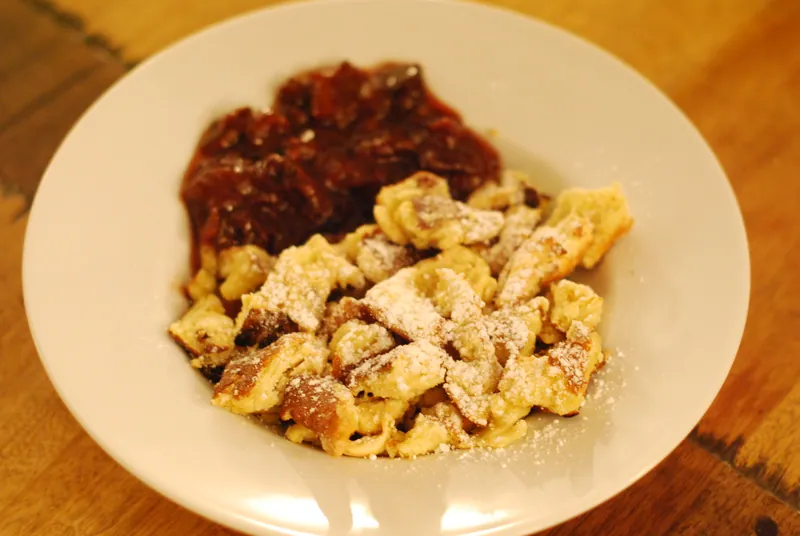
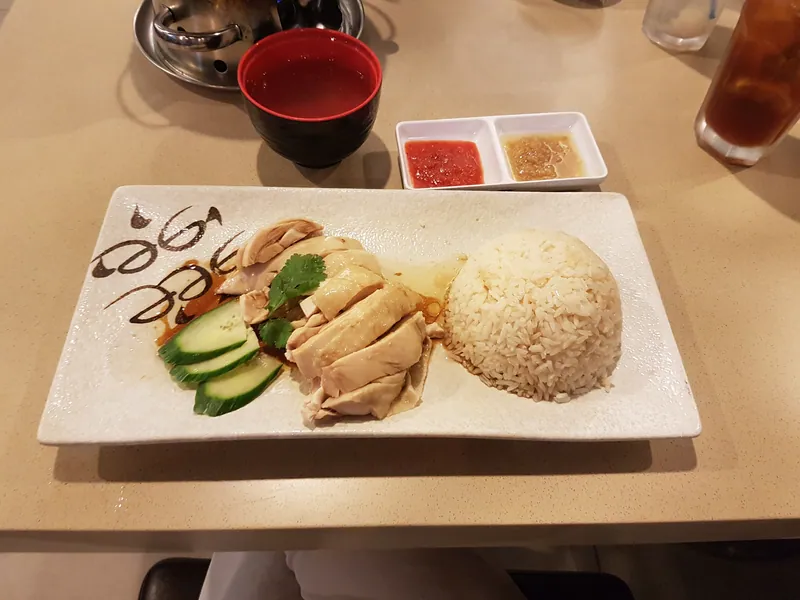
Skin-on chicken thighs and jasmine rice cook together over a ginger-garlic broth, then meet crisp cucumber and two bright table sauces for a complete family bowl.
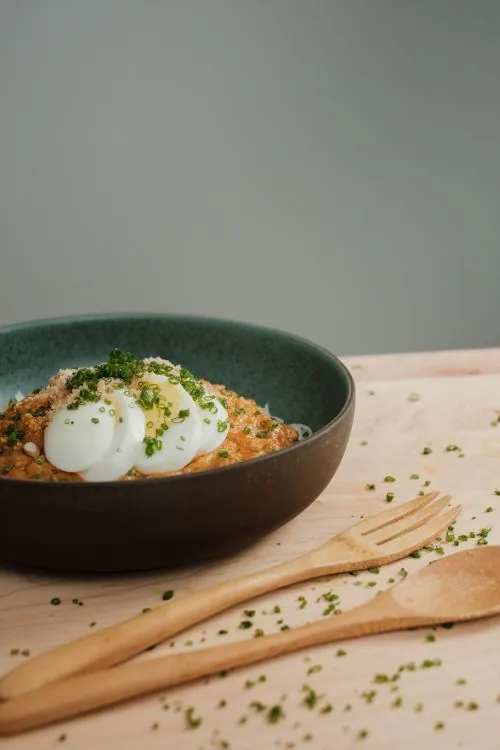
Creamy rolled oats take a savory turn with white miso and ginger, then finish with gently poached eggs and a crisp sesame-chive crumb for a practical 30-minute breakfast.
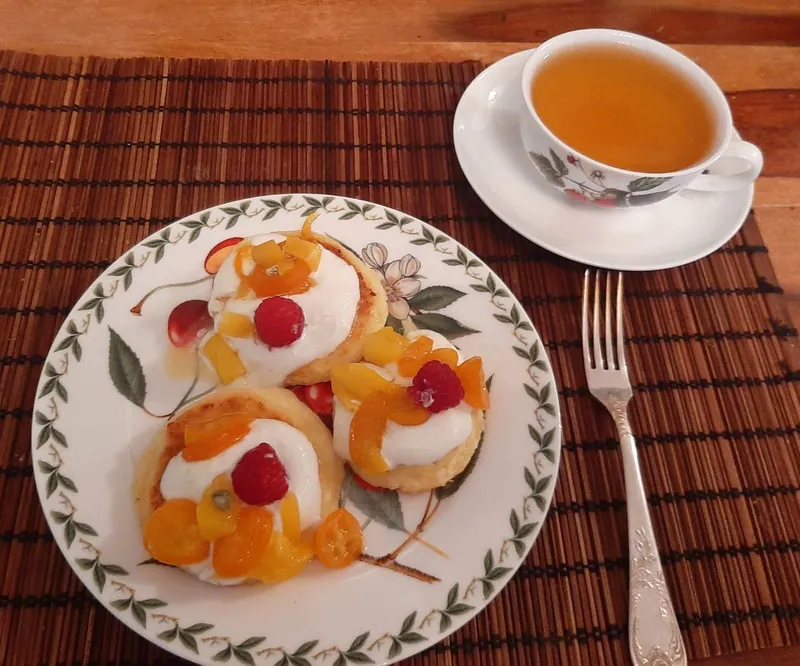
Well-drained farmer cheese makes tender, protein-rich griddle cakes with crisp golden edges, finished with cool sour cream, raspberries and jewel-like candied fruit.
⏱ 55 min$2.10/serving
Singapore-Style Kaya Toast with Soft-Boiled Eggs
Screen stays awake when supported.
1. Set up gentle double-boiler heatBring 1 inch of water to a bare simmer in a medium saucepan. Choose a heatproof bowl that rests over the pan without touching the water. Keep the heat low enough that only an occasional bubble breaks the surface; hard boiling can scramble the kaya around the bowl's rim.
2. Whisk and strain the kaya baseWhisk the 4 kaya eggs, sugar and salt in the heatproof bowl for 1 minute, until evenly combined but not foamy. Slowly whisk in the coconut milk. Pour the mixture through a fine-mesh strainer into a second clean heatproof bowl, pressing through any egg strands, then add the pandan knots.
3. Cook the pandan-coconut kayaSet the bowl over the barely simmering water. Stir slowly and continuously with a flexible spatula, scraping the bottom and sides, for 35 to 45 minutes. The kaya is ready when it reaches 160°F in several spots, coats the spatula and falls back in a ribbon that remains visible for about 3 seconds. Remove the pandan. If small curds formed, press the warm kaya through the clean strainer again.
4. Cool to a spreadable consistencyTransfer the kaya to a shallow bowl and press parchment directly on its surface. Cool for 15 minutes, stirring once halfway through; it will thicken from loose custard to a soft, glossy spread. Measure 1/2 cup for the toast and refrigerate the remaining kaya promptly for another breakfast.
5. Steep the pasteurized soft eggsWhile the kaya cools, bring 6 cups water to a full boil in a saucepan with a tight lid. Remove the pan from the heat, lower in the 8 room-temperature pasteurized eggs, cover and steep for 7 minutes for loose whites and runny yolks like the photographed dish. Transfer directly to a towel-lined bowl and serve at once. For anyone at higher risk of foodborne illness, or when pasteurized shell eggs are unavailable, continue cooking until both white and yolk are firm instead of serving them soft.
6. Toast the bread thin and crispToast the bread in a toaster on a medium setting until evenly golden and crisp, working in batches if needed. If using an oven, arrange the slices on a rack set over a sheet pan and bake at 375°F for 4 to 6 minutes per side. Trim the crusts only if you want the classic neat-edged presentation.
7. Build four kaya-butter sandwichesSpread 2 tablespoons cooled kaya over each of 4 toast slices, reaching the edges. Lay 1 tablespoon cold butter in thin slabs over each layer of kaya, top with the remaining toast and press very lightly. Cut each sandwich in half so the crisp edges, coconut jam and pale butter remain distinct.
8. Season the eggs and dipCrack 2 soft eggs into each of 4 shallow bowls. Add 1 teaspoon dark soy sauce and 1/8 teaspoon white pepper to each, then break the yolks once or twice with a spoon without fully blending them. Serve one warm kaya-toast sandwich beside each bowl and dip the crisp halves into the seasoned egg immediately.
 55 min