 40 min
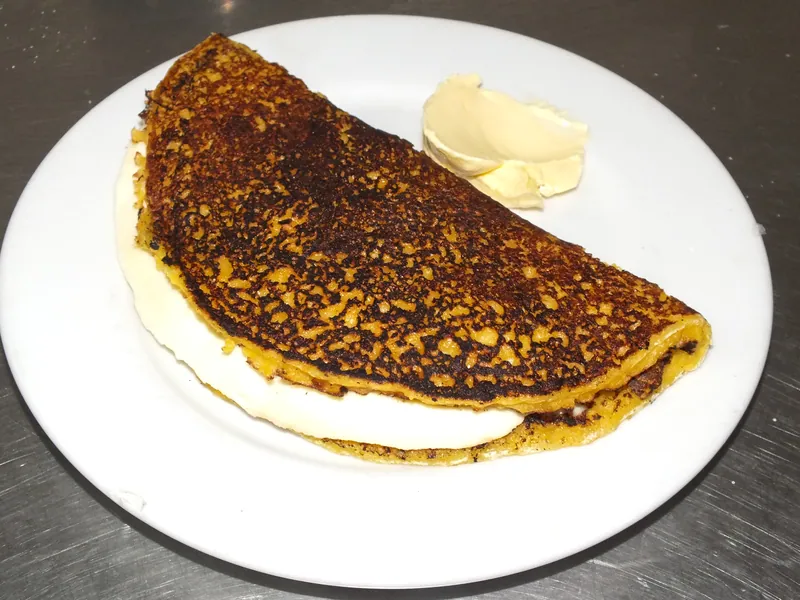
Venezuelan Cachapas with Queso de Mano
Sweet fresh-corn griddle cakes fold around soft salty cheese for a fast Venezuelan-style vegetarian breakfast, brunch or light supper.
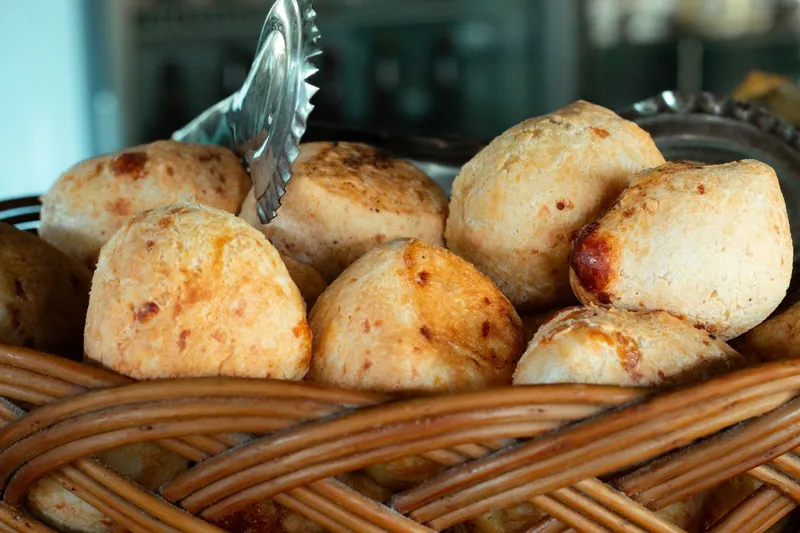
Photo: Giovanna Kamimura / Pexels · Pexels License
Brunch
Hot milk and oil scald tapioca starch into a stretchy dough, while Parmesan and low-moisture mozzarella make these naturally gluten-free Brazilian cheese breads crisp outside, chewy within and deeply savory.
Heat the oven to 400°F with a rack in the upper-middle position. Line a heavy rimmed half-sheet pan with parchment. Put the tapioca starch in the bowl of a stand mixer fitted with the paddle, or in a large heatproof bowl if mixing by hand.
Combine the milk, water, oil and salt in a small saucepan. Heat over medium until the mixture reaches a lively simmer and a ring of bubbles rises around the edge, 3 to 5 minutes. Do not walk away because the milk can foam over quickly.
With the mixer on low, carefully pour the hot liquid over the tapioca starch in a steady stream. Mix for 2 minutes, scraping the bowl once, until no powdery pockets remain and the mixture looks pebbly, glossy and uneven. Let it cool for 8 to 10 minutes; it should feel warm rather than hot and register below 120°F before the eggs go in.
Mix on medium-low and add the beaten eggs in four additions, waiting until each is mostly absorbed before adding the next. At first the dough will separate into slick pieces; continue mixing for 3 to 4 minutes until it becomes thick, sticky and elastic. Scrape the bowl and paddle as needed.
Add the Parmesan and mozzarella. Mix on low for 1 to 2 minutes, just until the cheeses are evenly distributed and the dough pulls in stretchy ribbons. Cover and refrigerate for 20 minutes so the tapioca hydrates and the fat firms enough for neat portions.
Lightly oil a 1 1/2-tablespoon cookie scoop and your fingertips. Scoop 24 level portions, about 30 grams each, and roll them gently into balls. Arrange them 2 inches apart on the prepared pan. If the dough still clings heavily, dust only your fingertips with tapioca starch; excess starch makes chalky seams.
Bake for 20 to 25 minutes, rotating the pan after 14 minutes, until the rolls are fully puffed with dry golden patches and lightly blistered tops like the photographed breads. One roll from the center should register 195°F to 205°F; do not pull the pan while the sides still look wet or collapsed.
Let the rolls stand on the pan for 5 minutes so their crisp shells set, then transfer them to a cloth-lined basket. Serve warm, allowing three rolls per person. The centers should be stretchy and pleasantly chewy rather than bread-like or completely hollow.
Useful kitchen gear
Compare the function and specifications first; skip anything your kitchen already handles well.
Pão de queijo are best within an hour of baking. Cool extras completely and refrigerate in an airtight container for up to 3 days; reheat on a sheet pan at 350°F for 7 to 9 minutes until hot and crisp. Freeze shaped unbaked balls on a tray, transfer them to a freezer bag and keep for up to 2 months. Bake straight from frozen at 400°F, allowing 4 to 6 extra minutes and checking that the sides are dry and the center of a test roll reaches 195°F to 205°F. Baked rolls can be frozen for 1 month, but their crust is slightly less crisp after reheating.
A little stretch and an irregular air pocket are characteristic, but a wet gluey center means the rolls were underbaked or oversized. Weigh 30-gram portions, keep 2 inches between them and bake until the sides look dry and a center roll reaches 195°F to 205°F. Resting 5 minutes lets the starch finish setting before you tear one open.
Block cheese gives the most predictable dough because bagged shreds often carry starch or cellulose that slows melting. If pre-shredded mozzarella is your only option, choose low-moisture whole-milk cheese, weigh 100 grams and do not add extra starch unless a chilled test scoop actually spreads flat.
Brazilian polvilho doce is unfermented and mild; polvilho azedo is fermented, tangier and often produces a more irregular, airy shell. Common U.S. tapioca starch behaves like the sweet type and is what this recipe was tested around. You can replace up to half with sour tapioca starch for extra tang, but the rolls may crack and puff more dramatically.
Naturally gluten-free breads and savory cakes
Compare baked tapioca-starch pão de queijo, griddled fresh-corn cachapas, banana-leaf-lined rice-flour bibingka and steamed chickpea-flour khaman dhokla by starch source, hydration, leavener, shaping, cooking heat and make-ahead behavior.
40 min
Sweet fresh-corn griddle cakes fold around soft salty cheese for a fast Venezuelan-style vegetarian breakfast, brunch or light supper.
 55 min
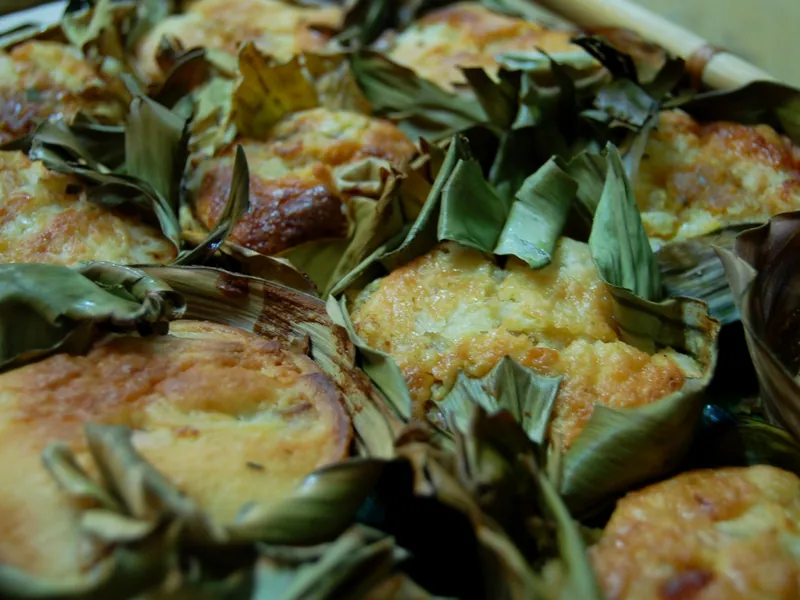
Banana-leaf-lined coconut rice cakes bake up tender and lightly chewy, with salted egg, queso fresco and grated coconut for a festive Filipino-style breakfast or dessert.
 60 min
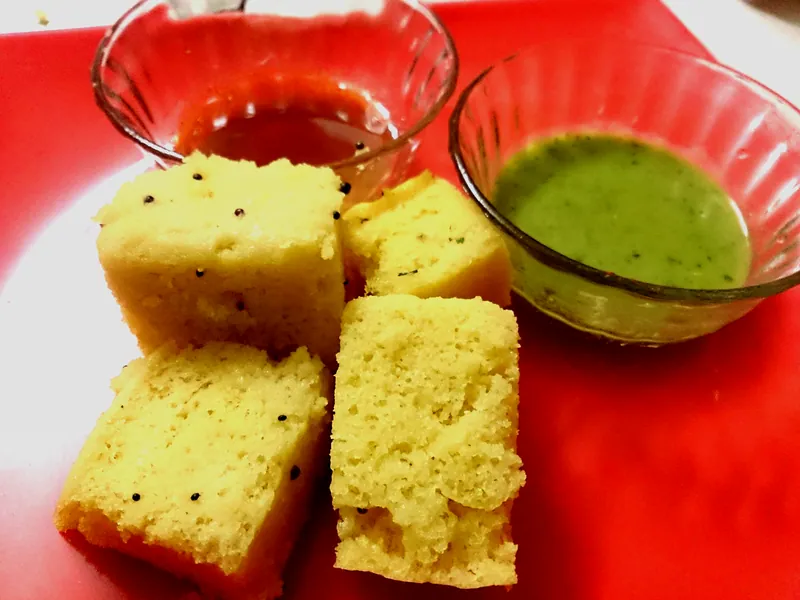
Steamed chickpea-flour cakes rise airy and tender, then soak up a mustard-lemon tempering beside bright cilantro and tangy tamarind chutneys.
Cook next
 82 min
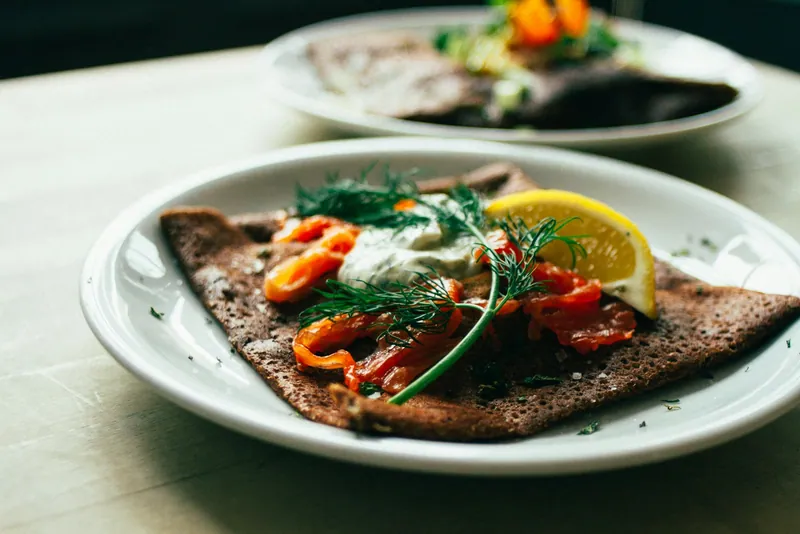
Lacy buckwheat galettes folded around cool smoked salmon, lemony crème fraîche, capers and fresh dill make an elegant but practical skillet brunch.
 40 min
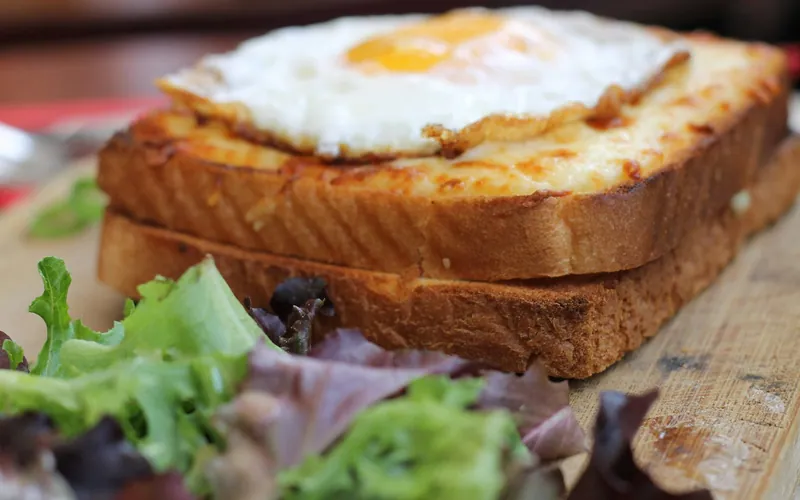
Crisp buttered bread encloses smoky ham and nutty Gruyère beneath a browned blanket of Dijon béchamel and a sunny fried egg, balanced by sharply dressed greens.
 45 min
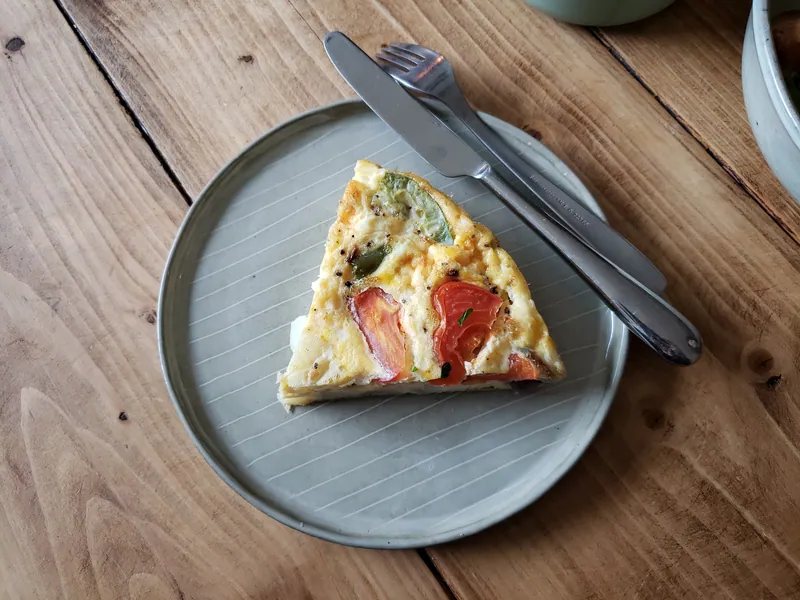
Creamy cottage cheese disappears into tender eggs while sweet tomatoes and sautéed green pepper make this skillet breakfast colorful, savory and meal-prep friendly.
 90 min
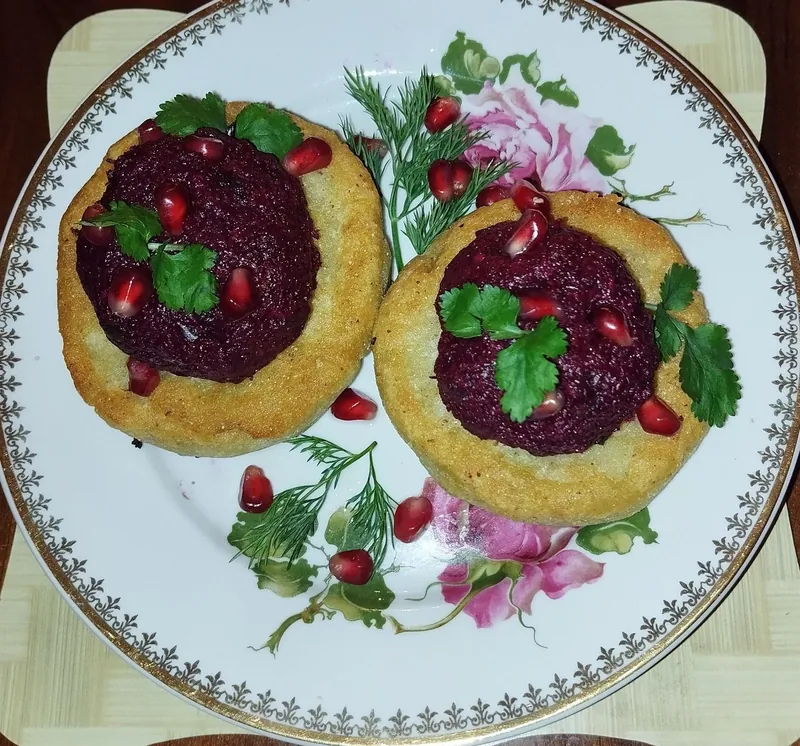
Earthy roasted beets and walnuts become a tangy herb-flecked spread, shaped over crisp corn cakes and finished with pomegranate for a striking meatless plate.