 45 min
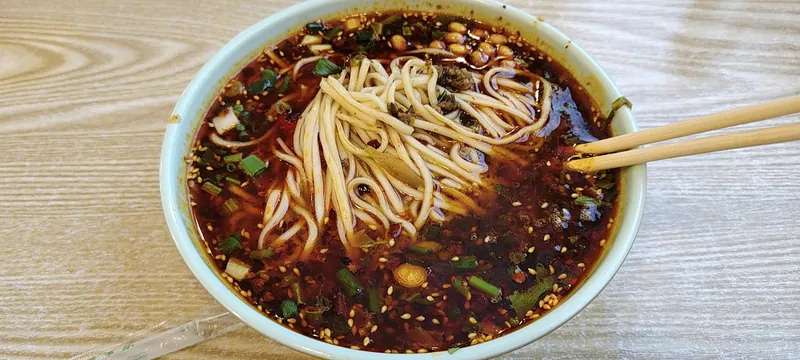
Soupy Sichuan-Style Dan Dan Noodles with Pork & Sesame
Springy wheat noodles, savory pork and preserved mustard greens meet a warm chile-sesame broth whose heat can be adjusted bowl by bowl.
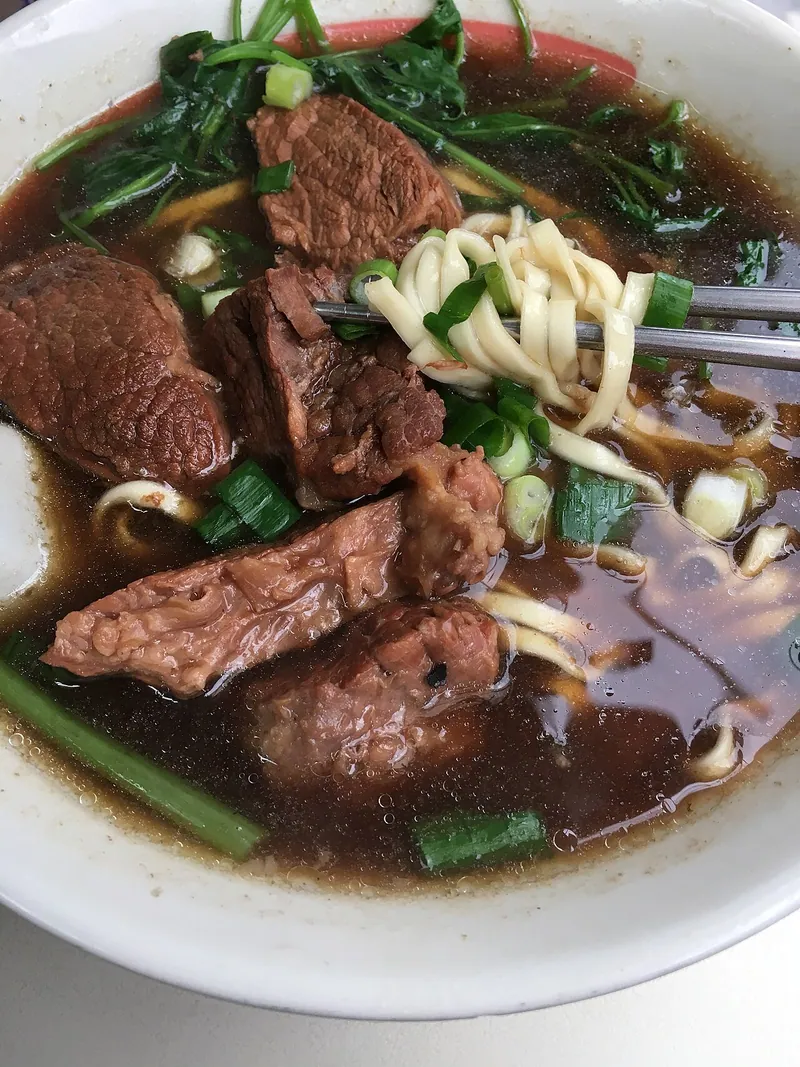
Photo: Jjj84206 / Wikimedia Commons · CC BY-SA 4.0
Weekend
Fork-tender beef chuck, chewy wheat noodles and leafy greens meet a deeply savory tomato, chile-bean and five-spice broth built for a restorative weekend meal.
Pat the beef very dry and season it with 1 teaspoon salt. Let it stand for 10 minutes while you prepare the aromatics; a dry surface is essential for browning rather than steaming.
Heat a 6-quart Dutch oven over medium-high. Add 1 tablespoon oil and brown half the beef for 8 to 10 minutes, turning to color at least three sides. Transfer to a clean plate and repeat with the remaining oil and beef. The centers will still be raw.
Reduce the heat to medium. Add the onion, garlic, ginger and scallion whites; cook for 4 minutes, scraping the browned fond. Add the tomatoes and chile-bean paste and cook for 4 to 5 minutes, until the tomatoes soften and the paste stains the oil red.
Pour in the Shaoxing wine and scrape the pot thoroughly. Simmer for 1 minute, then stir in both soy sauces and the brown sugar. Tie the star anise, cinnamon, peppercorns and bay leaves in a small piece of cheesecloth or place them in a reusable spice infuser.
Return the beef and its juices to the pot. Add the spice bundle and stock; the meat should be barely covered. Bring to a boil, skim any gray foam, then reduce to the gentlest simmer. Cover with the lid slightly ajar and cook for 2 to 2 1/4 hours, stirring every 30 minutes, until the beef is fork-tender. It must pass 145°F for safety and will usually be 195 to 205°F when its collagen has softened.
Remove and discard the spice bundle. Skim excess fat with a wide spoon. Stir in the remaining 1/2 teaspoon salt and sesame oil, then taste. Add hot stock if the broth is too intense, or simmer uncovered for 5 to 10 minutes if it needs more concentration.
Bring a large pot of unsalted water to a boil. Cook the wheat noodles until chewy-tender according to the package, usually 5 to 7 minutes. During the final 90 seconds, add the bok choy or choy sum and blanch until the stems are crisp-tender and the leaves wilt. Drain thoroughly.
Divide the noodles among six warm white bowls. Arrange large beef chunks and the wilted leafy greens on top, then ladle in enough dark red-brown broth to surround rather than bury them. Thinly slice the scallion greens, scatter them over the bowls and serve immediately.
Useful kitchen gear
Compare the function and specifications first; skip anything your kitchen already handles well.
Cool the beef and broth in shallow containers and refrigerate within 2 hours for up to 4 days; store noodles, greens and scallions separately. Reheat the broth and beef to a rolling simmer and 165°F, then warm fresh or stored noodles briefly in boiling water before assembling. Freeze only the beef and broth for up to 3 months; thaw overnight in the refrigerator.
Chuck becomes tender only after enough time near a gentle simmer for collagen to dissolve. Keep it covered and cook another 20 to 40 minutes, checking that the liquid barely bubbles and adding hot stock if needed.
Yes. Chill the beef in its broth, lift off the firm fat the next day and reheat to 165°F. Cook the noodles and greens just before serving so their texture stays distinct.
Start with unsalted stock and reduced-sodium soy sauce, and do not add the final salt until the braise is finished. If needed, dilute with hot unsalted stock rather than plain water so the flavor stays full.
Chinese pantry and texture guide
Compare long-simmered red-braised beef noodle soup, broth-loosened sesame dan dan noodles, glossy chile-bean mapo tofu and pan-fried layered scallion pancakes by sauce structure, pantry ingredients, texture and hands-on time.
45 min
Springy wheat noodles, savory pork and preserved mustard greens meet a warm chile-sesame broth whose heat can be adjusted bowl by bowl.
 40 min
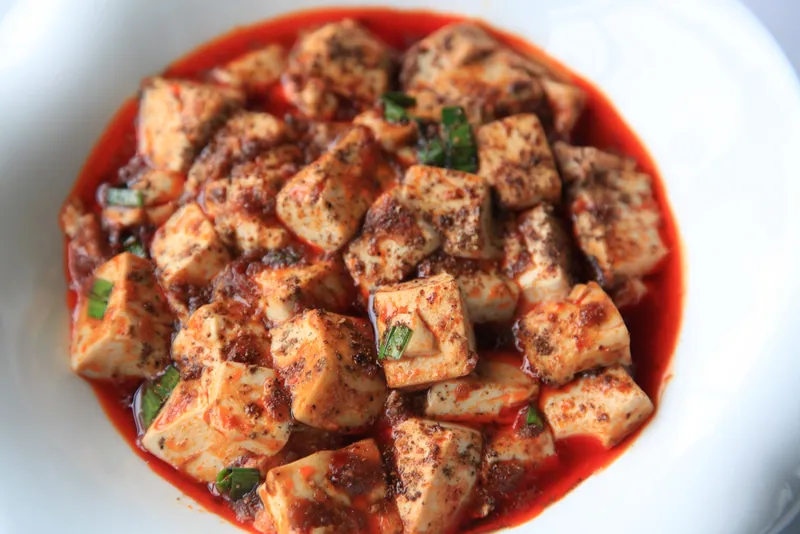
Silken tofu and a modest amount of pork simmer in a glossy chile-bean sauce, with Sichuan pepper and extra heat added to taste at the table.
 105 min
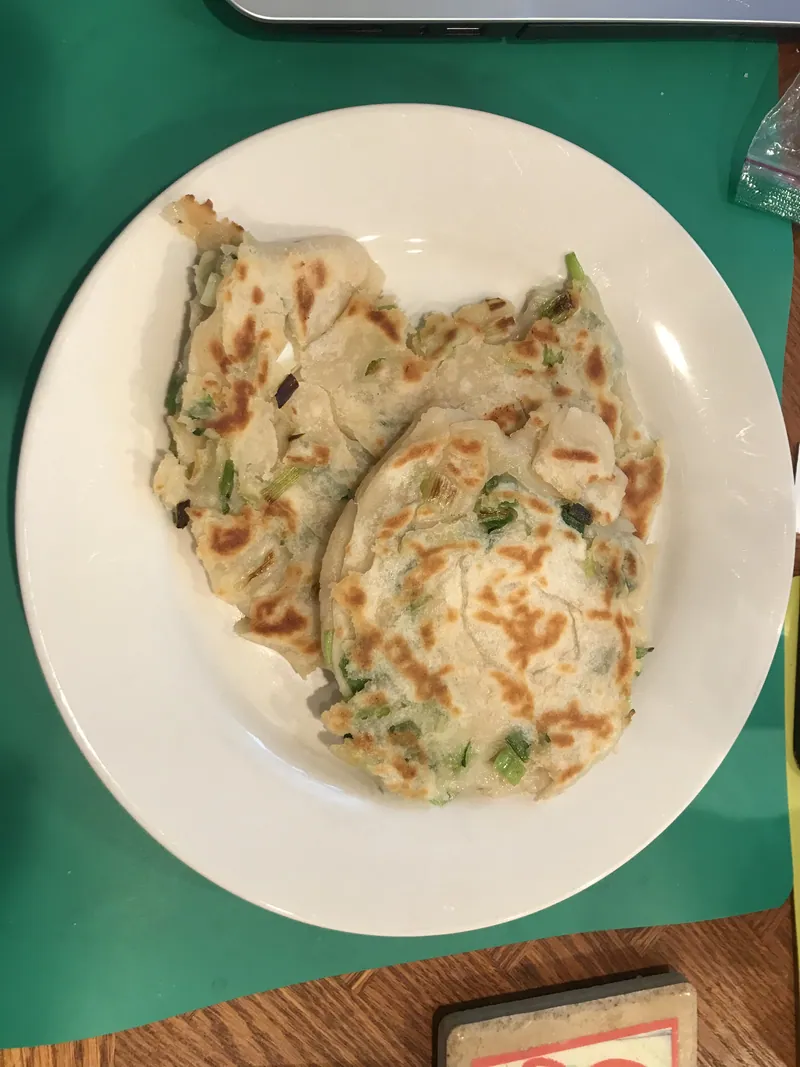
Hot-water dough, toasted sesame oil and abundant scallions roll into savory spirals that pan-fry crisp outside and chewy within.
Cook next
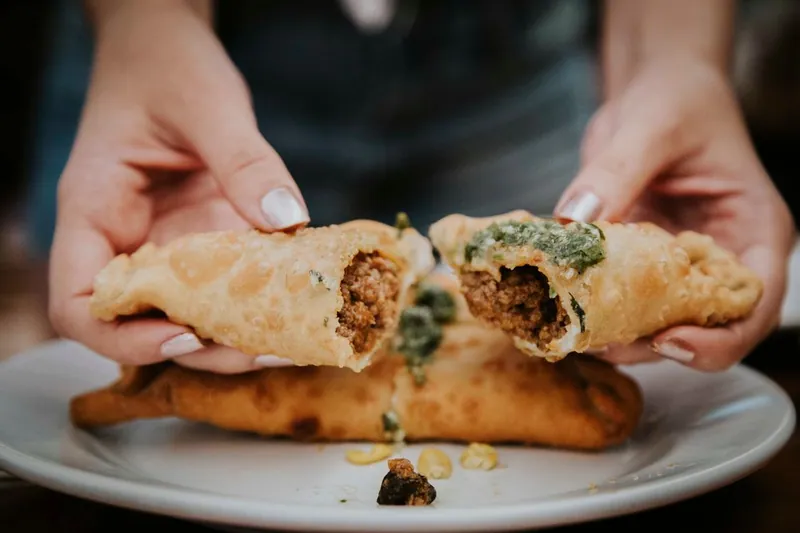 120 min
Shatter-crisp hand pies hold browned beef, sweet onion, garlic and warm spices, with a sharp parsley chimichurri and temperature guidance for confident frying.
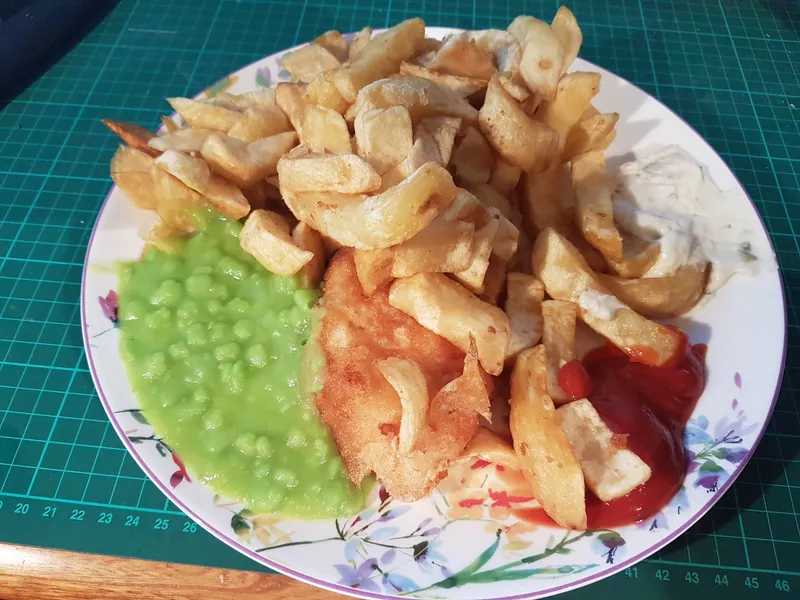 110 min
Crisp, airy beer-battered cod and twice-fried chips share the plate with minty mushy peas, lemon and a sharp homemade tartar sauce.
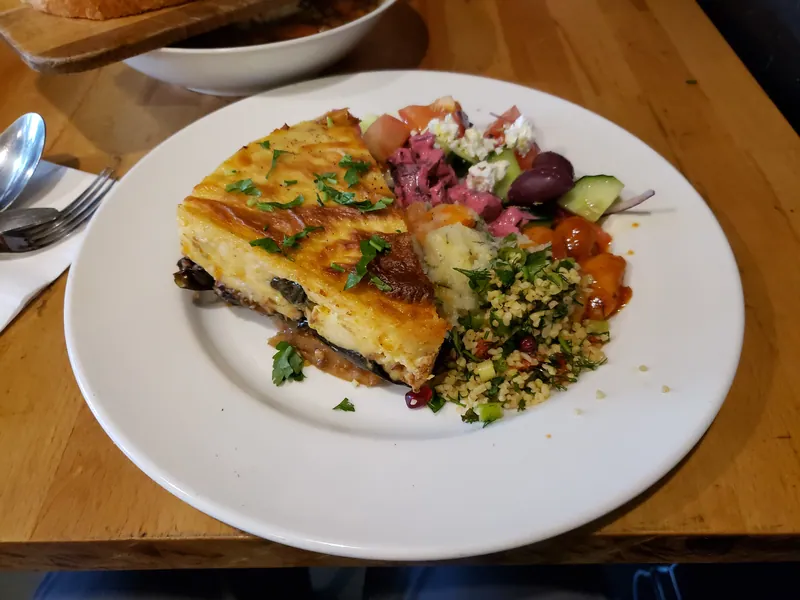 160 min
Roasted eggplant, a cinnamon-scented lamb and tomato filling, and a tall, golden béchamel bake into clean, satisfying layers.
 85 min
Spiral-layered puff pastry cradles silky lemon-cinnamon custard baked at fierce heat until the tops blister and the shells shatter.