 75 min
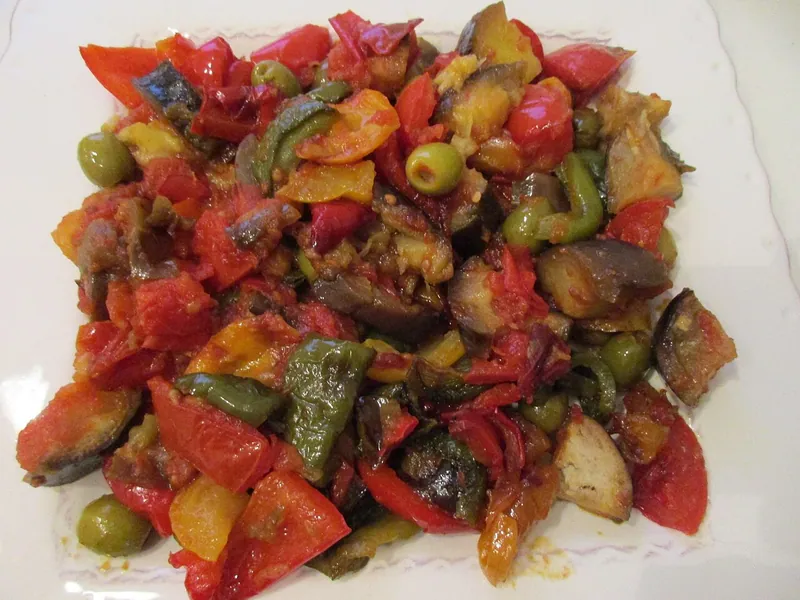
Provençal Ratatouille with Green Olives & Basil
Eggplant, zucchini, sweet peppers and ripe tomatoes stay distinct yet silky in this stovetop vegetable braise, finished with briny green olives and fresh basil.
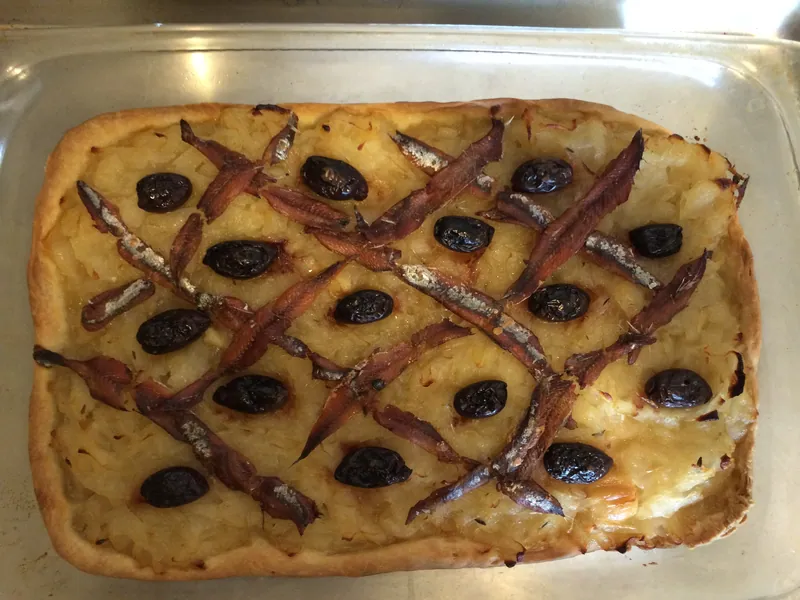
Photo: Cdg83 / Wikimedia Commons · CC BY-SA 4.0
Appetizers
A crisp, olive-oil-rich rectangular crust carries a generous layer of slow-softened onions, whole anchovy fillets and glossy black olives, matching the unmistakable Provençal tart shown in the finished-dish photograph.
Stir the warm water, yeast and sugar in a large bowl and stand 5 to 10 minutes, until a creamy foam forms. Add the flour, 1 teaspoon salt and 2 tablespoons olive oil. Stir until no dry flour remains, then knead on a lightly floured counter for 7 to 9 minutes, until smooth and elastic. Add extra flour only a teaspoon at a time if the dough remains wet enough to smear after 3 minutes of kneading.
Coat a clean bowl with 1 teaspoon olive oil, turn the dough in it, cover and let rise in a warm, draft-free place for 60 to 75 minutes, until roughly doubled. Begin the onions immediately; their slow cook fits inside most of the rise. If the dough doubles first, gently press it down, cover and refrigerate until the onions are cool enough to use.
Heat 3 tablespoons olive oil in a wide 12-inch heavy skillet or 5-quart Dutch oven over medium-low. Add the onions and remaining 1/2 teaspoon salt. Cook for 45 to 55 minutes, stirring every 4 to 5 minutes and scraping the bottom, until the onions collapse to about 3 cups and turn pale gold with a jammy but not wet texture. Lower the heat if edges brown sharply; the photographed topping is golden, not mahogany.
Stir the garlic, thyme and black pepper into the onions and cook 2 minutes. Spread the mixture on a rimmed plate so it cools quickly and excess steam escapes. It should be warm, not hot, before it meets the risen dough; a steaming topping can soften the crust and restart aggressive yeast activity.
Set an oven rack in the lower-middle position and heat to 425°F. Brush a 13-by-18-inch rimmed half-sheet pan with the remaining 1 tablespoon olive oil. Press and stretch the dough into a roughly 10-by-14-inch rectangle about 1/4 inch thick, leaving a slightly raised rim. If it springs back, wait 10 minutes for the gluten to relax, then finish shaping without tearing it.
Spread the cooled onions evenly to within 1/2 inch of the edge. Lay the whole anchovy fillets diagonally in a loose crisscross pattern, using the visibly irregular lattice in the photograph as the guide rather than hiding or chopping the fish. Place the olives in the open spaces and press them lightly into the onions so they stay put while baking.
Bake at 425°F for 20 to 25 minutes, rotating the pan front to back after 15 minutes, until the raised edge is deep gold, the bottom is crisp and the onions bubble gently around the anchovies. A probe inserted sideways into the bare crust should read about 200°F if visual doneness is uncertain. The anchovies will darken and the olives will wrinkle slightly, as they do in the finished photograph.
Cool on the pan for 10 minutes so the onion layer settles, then slide the pissaladière onto a board. Cut into 8 lunch-size rectangles or 16 small appetizer squares with a sharp chef's knife or pizza wheel. Serve warm or at room temperature; do not leave it out longer than 2 hours because the moist onion topping and fish should be refrigerated promptly.
Useful kitchen gear
Compare the function and specifications first; skip anything your kitchen already handles well.
Cool completely, cut and refrigerate in a shallow airtight container at 40°F or below for up to 4 days, separating layers with parchment. Reheat pieces on a preheated sheet pan at 375°F for 8 to 12 minutes, until the crust is crisp and the topping reaches 165°F; avoid the microwave when texture matters. Freeze baked, cooled pieces in one layer, then wrap airtight for up to 2 months. Reheat from frozen at 375°F for 15 to 20 minutes. The onion topping can be cooked up to 3 days ahead and refrigerated separately, but bring it close to room temperature before assembling so the dough bakes evenly.
The onions were probably still wet or hot. Reduce them until a spoon dragged across the pan leaves a clean path for a moment, spread them on a plate to vent steam, and cool them before assembly. Preheating fully to 425°F and baking on the lower-middle rack also helps the oiled bottom set before the topping can soak in.
Yes. Bake it up to 1 day ahead, cool and refrigerate, then reheat uncovered at 375°F for 8 to 12 minutes and serve warm or at room temperature. For a longer head start, cook the onions up to 3 days ahead and make the dough the day before; refrigerate both separately and let the dough soften at room temperature for 45 to 60 minutes before shaping.
They remain distinctly savory and visible, but the sweetness of three pounds of slow-cooked onions and the briny olives balance them. Use good oil-packed fillets, drain them and distribute them evenly so each piece gets a modest amount. Chopping them into the onions would intensify salt throughout and would no longer match the classic visible topping.
Provençal cooking by structure
Choose yeast-raised pissaladière for a crisp, anchovy-and-olive appetizer or chunky ratatouille for a vegan stovetop main or side; compare active work, moisture control, olive use, serving temperature and make-ahead texture.
75 min
Eggplant, zucchini, sweet peppers and ripe tomatoes stay distinct yet silky in this stovetop vegetable braise, finished with briny green olives and fresh basil.
Cook next
 45 min
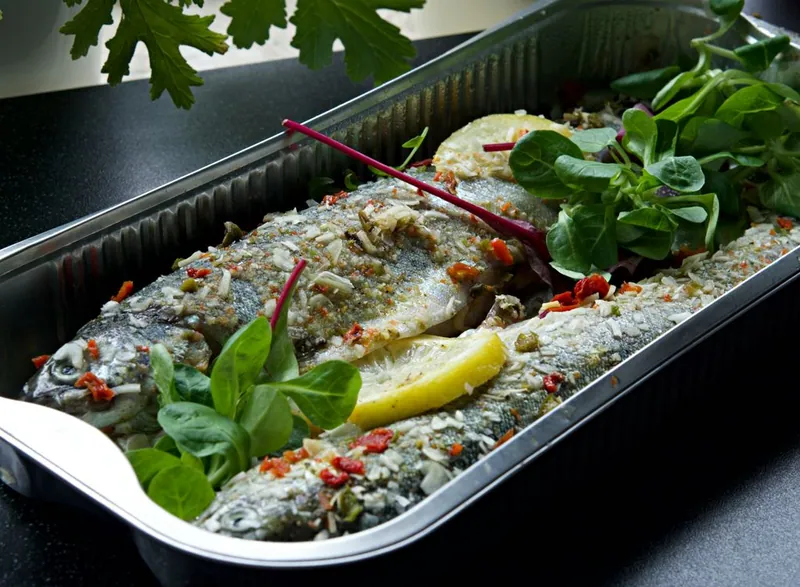
Two whole trout roast with lemon, garlic, parsley, and gentle chile heat while a quick pan of garlicky greens turns them into a complete dinner.
 85 min
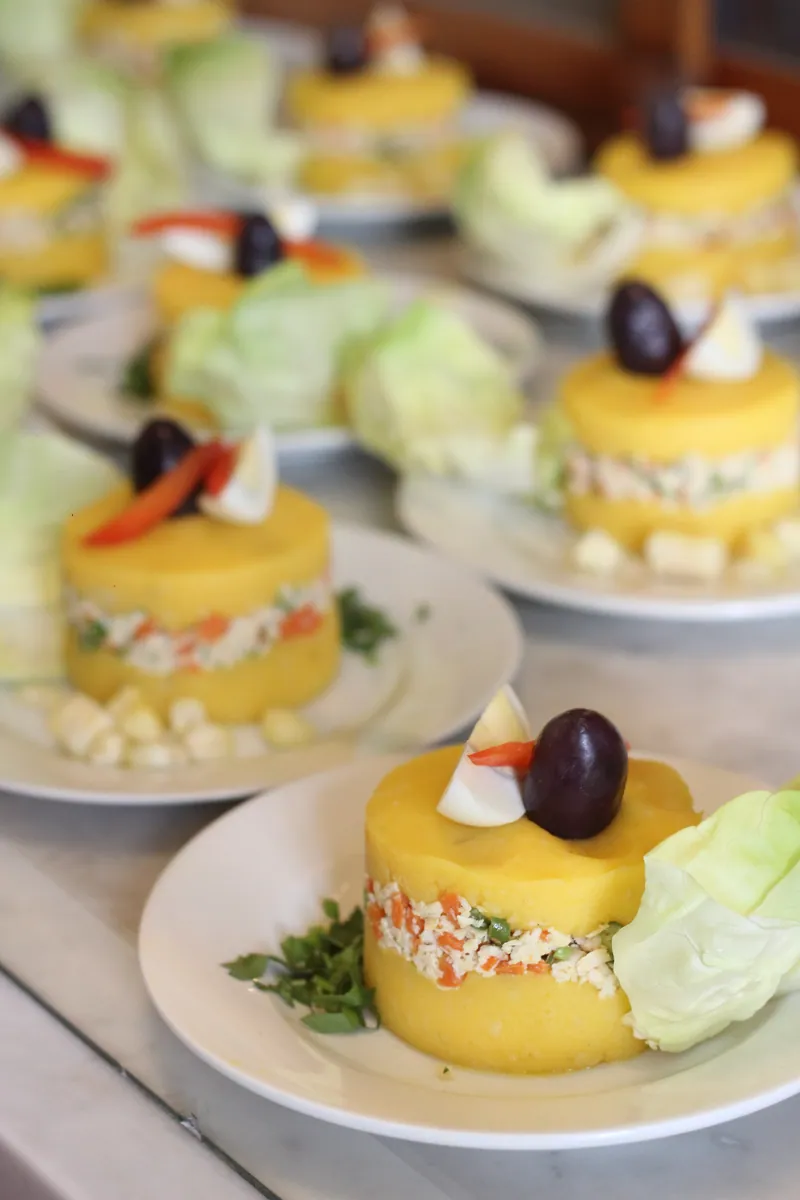
Lime-and-chile yellow potatoes sandwich a cool tuna, avocado and roasted-pepper filling in neat individual stacks built for a make-ahead lunch or starter.
 46 min
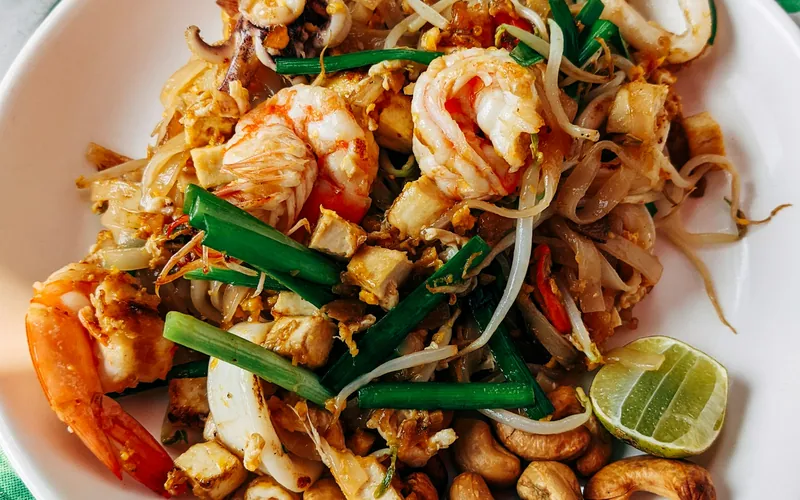
Glossy tamarind rice noodles carry quick-cooked shrimp and calamari, golden tofu, tender egg, crisp bean sprouts, chives, roasted cashews, and plenty of lime.
 10 min
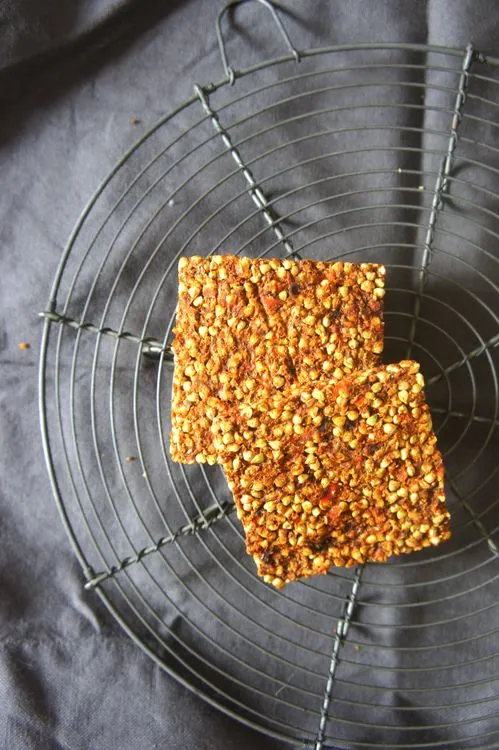
Chewy, salty-sweet bars with a thin chocolate shell—ten minutes of work and no oven required.