 120 min
Classic Canadian Butter Tarts with Raisins
Flaky hand-cut pastry cups hold a glossy brown-sugar filling that bakes with caramelized tops, soft centers and plump raisins.
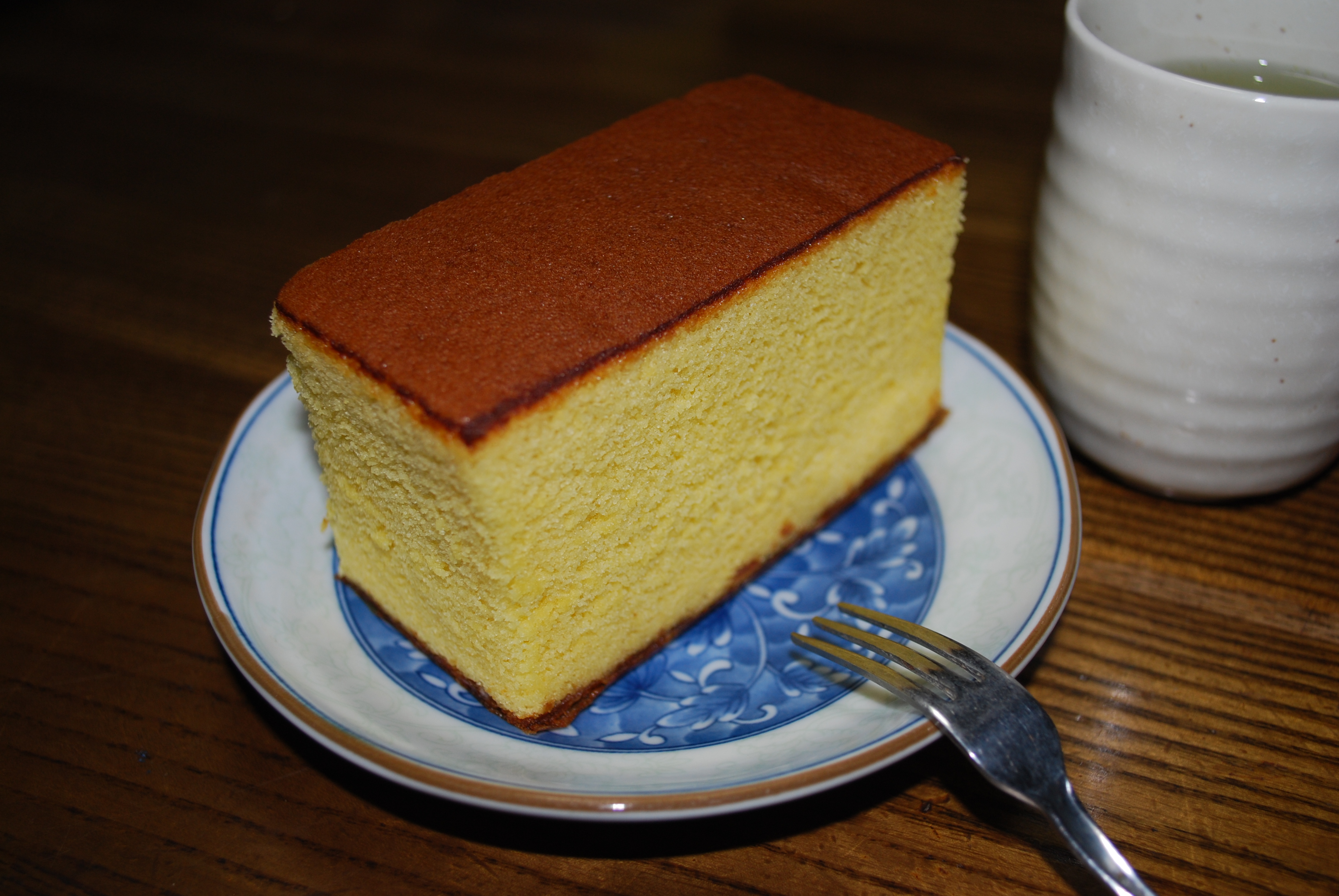
Photo: katorisi / Wikimedia Commons · CC BY-SA 3.0
Baking
A tall, fine-grained honey sponge bakes beneath castella's signature dark top, then rests overnight for clean slices and a supple crumb.
Heat the oven to 325°F with a rack in the lower third. Lightly oil an 8 1/2-by-4 1/2-inch metal loaf pan and line the base and sides with parchment extending 2 inches above the rim. Sprinkle optional coarse sugar evenly over the base.
Whisk honey into the warm milk until completely fluid, then let it cool to lukewarm. Whisk bread flour and salt together after sifting so no dense pockets remain.
Combine eggs and granulated sugar in a stand-mixer bowl. Set over barely simmering water and whisk constantly until the mixture reaches 100°F and sugar feels dissolved. Beat on high 6 to 8 minutes until very pale and ribbons hold for several seconds; beat on low 1 minute to refine the bubbles.
Fold the honey milk into the foam in three additions. Sift one third of the flour over the bowl and fold gently but thoroughly; repeat twice, scraping from the bottom until no dry streaks remain. Do not stir in circles or deflate the foam.
Pour batter into the lined pan from about 8 inches above it in a thin stream. Run a skewer through the batter in a zigzag several times, then tap the pan twice. The batter should sit below the parchment collar.
Bake 50 to 60 minutes, tenting loosely with foil only if the top approaches black before 45 minutes. The center should spring back, a skewer should emerge clean and an instant-read thermometer should register 200 to 205°F.
Cool in the pan 8 minutes, then lift out and peel parchment from the sides. While still warm, wrap the cake tightly in plastic and place it upside down on a flat board for 8 hours or overnight. This redistributes moisture and flattens the top.
Unwrap, turn right-side up and trim the side and bottom crusts only if desired, leaving the dark top intact. Use a long serrated knife to cut thick rectangular slices that display the fine yellow crumb and brown cap shown in the photograph.
Useful kitchen gear
Compare the function and specifications first; skip anything your kitchen already handles well.
Keep the rested cake tightly wrapped at cool room temperature for up to 3 days or refrigerate for up to 5 days, returning slices to room temperature before serving. Freeze double-wrapped slices for up to 1 month and thaw while wrapped. Do not leave the egg-rich batter unbaked.
The egg foam may have been underwhipped, deflated during folding or underbaked. Beat until ribbons hold, fold from the bottom and verify a 200 to 205°F center before removing the cake.
Trapped steam redistributes through the crumb during the long rest, which gives castella its characteristic moist, close texture. Wrap after the brief pan rest, not immediately from the oven.
It is safe once fully baked and cooled, but texture and slicing improve dramatically after at least 8 wrapped hours. For the intended result, bake it the evening before.
Cook next
120 min
Flaky hand-cut pastry cups hold a glossy brown-sugar filling that bakes with caramelized tops, soft centers and plump raisins.
 393 min
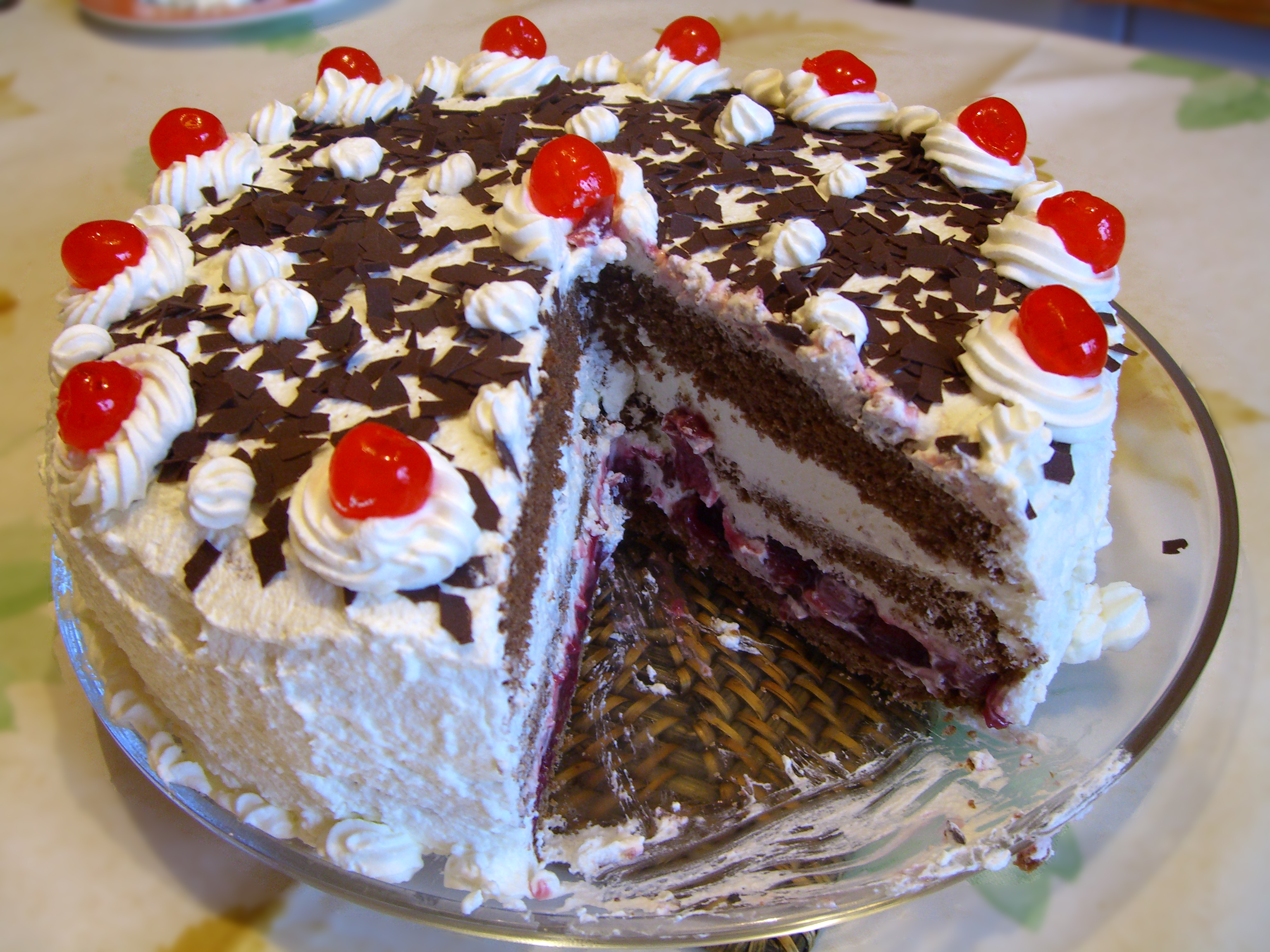
Three tender chocolate sponge layers are brushed with cherry syrup, filled with sour cherries and billowy cream, then finished with chocolate curls and cherry-topped rosettes.
 245 min
A bright, softly set lemon layer rests on crisp butter shortbread, finished with a snowy dusting of confectioners’ sugar and clean bakery-style edges.
 92 min
Juicy cherries bake into a softly set vanilla-almond custard with puffed golden edges, making an elegant dessert from one bowl and one baking dish.