 27 min
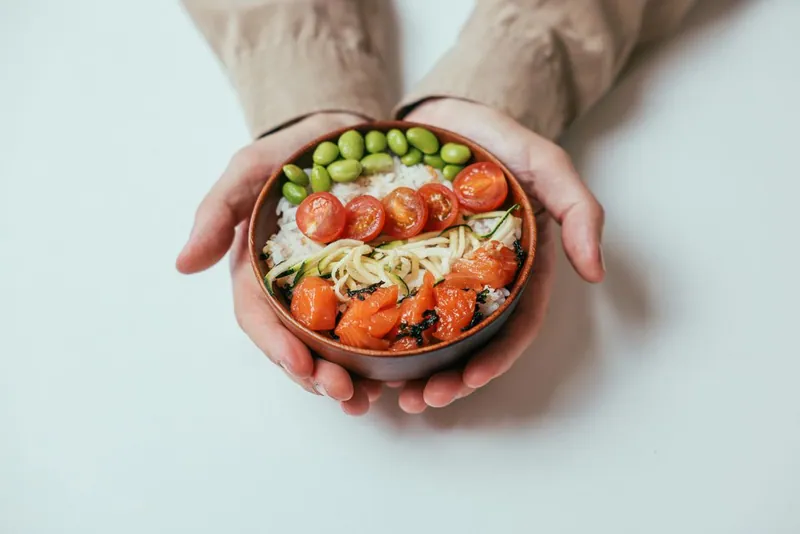
Honey-Sriracha Salmon Bowls
Sticky-edged salmon, crunchy cucumber, and creamy lime sauce over rice—fast enough for Tuesday, good enough for company.
30-Minute Dinners
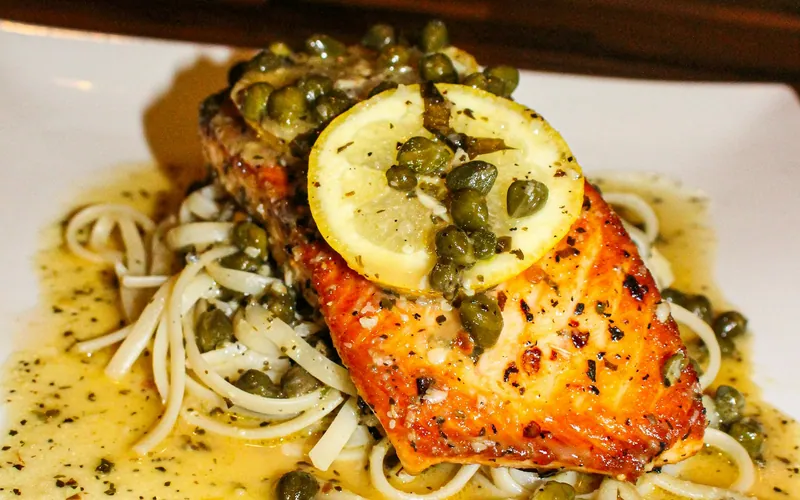
Golden salmon fillets sit over silky linguine in a bright lemon-caper pan sauce, giving classic piccata flavors a seafood-forward weeknight format.
Bring a large pot of water to a rolling boil. Salt it until pleasantly seasoned, then keep it covered over low heat while the salmon is prepared so the pasta and sauce can finish together.
Pat the salmon very dry. Season both sides with 3/4 teaspoon kosher salt and the black pepper, then dust the presentation side lightly with flour and shake away every loose patch. The thin coating promotes even browning without creating a breaded crust.
Heat a 12-inch stainless-steel or cast-iron skillet over medium-high heat for 2 minutes. Add the olive oil and 1 tablespoon butter. When the butter foams, place the salmon flour-side down and cook undisturbed for 3 to 4 minutes, until deeply golden and naturally releasing from the pan.
Turn the fillets, reduce the heat to medium and cook for 2 to 4 minutes more. Transfer each piece to a clean plate when the thickest center reaches 145°F on an instant-read thermometer. Keep the fish loosely tented; carryover heat will continue cooking it slightly.
Add the linguine to the boiling water and cook until just shy of al dente according to the package, usually 9 to 11 minutes. Scoop out 1/2 cup pasta water, then drain thoroughly. Do not rinse away the surface starch that helps the sauce cling.
Pour off all but 1 tablespoon fat from the skillet. Add the garlic and red pepper flakes over medium heat and stir for 30 seconds. Pour in the wine and scrape up the browned fond; simmer for 2 to 3 minutes, until reduced by roughly half and the raw alcohol aroma has softened.
Add the broth, lemon slices, capers and remaining 1/4 teaspoon salt. Simmer for 3 minutes. Reduce the heat to low, add the remaining 3 tablespoons cold butter one piece at a time and swirl until glossy. Stir in 3 tablespoons lemon juice. Do not boil after adding the butter or the sauce may split.
Add the drained linguine, Parmesan and half the parsley to the skillet. Toss for 1 to 2 minutes, adding reserved pasta water a tablespoon at a time until the sauce forms a fluid coating around the noodles rather than pooling or turning greasy.
Divide the sauced linguine among four warm shallow bowls. Set one salmon fillet over each portion, spoon capers and lemon sauce across the fish and finish with the remaining parsley. Serve immediately while the sauce is emulsified and the salmon is hot.
Useful kitchen gear
Compare the function and specifications first; skip anything your kitchen already handles well.
Refrigerate salmon and sauced linguine in separate shallow airtight containers within 2 hours for up to 3 days. Reheat the pasta gently in a skillet with a splash of broth until steaming, then warm the salmon covered in a 300°F oven to 165°F. Freezing is not recommended because the emulsified sauce can split and the fish becomes dry.
The pan or oil was probably not fully hot, the salmon surface was damp or the fish was turned too soon. Dry it thoroughly, preheat the skillet for 2 minutes and wait until the browned side releases with only gentle pressure.
Yes. Omit the linguine, halve the Parmesan and pasta water, and serve the salmon and sauce with roasted potatoes, polenta or crusty bread. The fish and sauce method stays the same.
Reduce the wine and broth before adding butter, lower the heat and swirl in cold butter gradually. Once emulsified, keep the sauce below a simmer and loosen it with warm pasta water instead of more oil.
Cook next
27 min
Sticky-edged salmon, crunchy cucumber, and creamy lime sauce over rice—fast enough for Tuesday, good enough for company.
 20 min
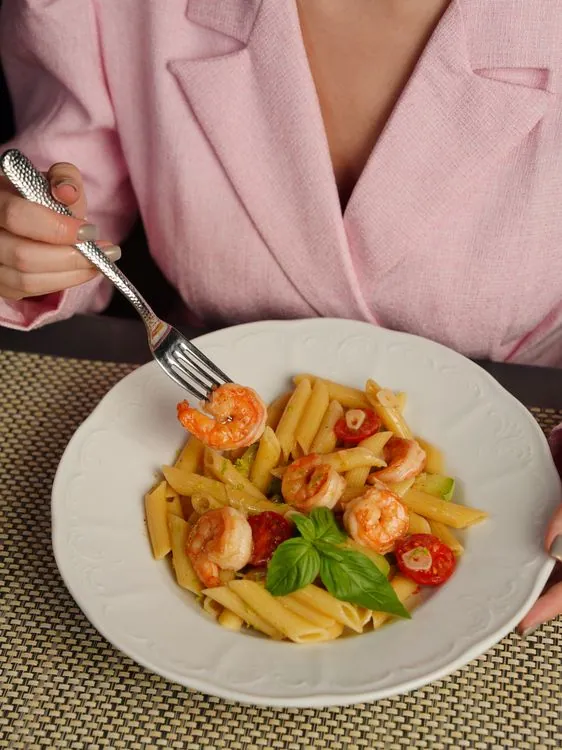
Juicy shrimp and glossy lemon-garlic noodles with a restaurant-style sauce made from ingredients already in the kitchen.
 30 min
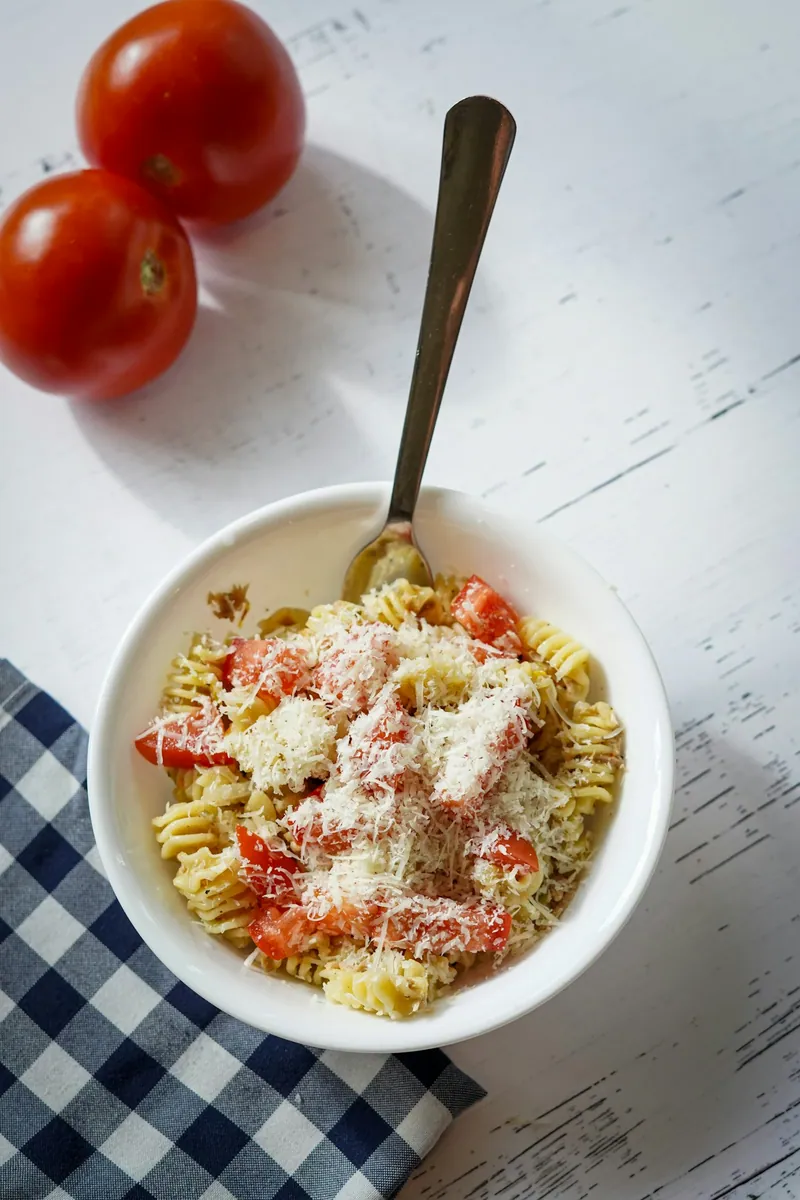
A fast Mediterranean pantry pasta with olive-oil tuna, jammy tomatoes, briny capers, lemon, and garlicky toasted breadcrumbs.
 30 min
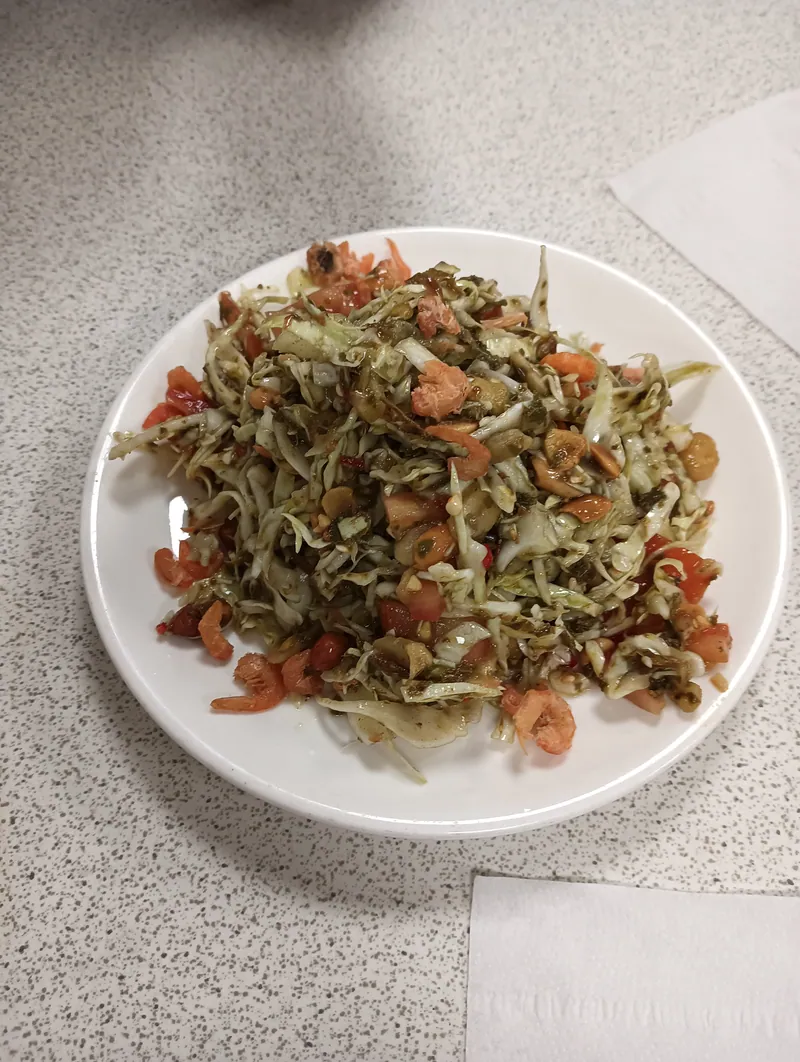
Fermented tea leaves, crisp cabbage, tomatoes, peanuts, toasted seeds and savory dried shrimp make a punchy, many-textured salad in 30 minutes.