
 60 min
Cowboy-Butter Ribeye Bites with Crispy Smashed Potatoes
Crunchy smashed potatoes and seared ribeye bites drenched in zippy garlic-herb cowboy butter.
Family Favorites
Glossy sweet-potato glass noodles are tossed with tender soy-garlic beef, shiitakes, spinach and crisp vegetables in a balanced sesame dressing.
In a small bowl combine the beef, mushrooms, 1 grated garlic clove, 1 tablespoon soy sauce, 1 tablespoon brown sugar, 1 teaspoon sesame oil and the black pepper. Toss well and refrigerate for 20 minutes while you prepare the vegetables.
Whisk the remaining soy sauce, remaining 2 tablespoons brown sugar, mirin, remaining garlic and 1 tablespoon sesame oil until the sugar mostly dissolves. Set aside 2 tablespoons of this clean dressing for finishing.
Bring a large pot of salted water to a boil. Blanch the spinach for 30 seconds, transfer with tongs to cold water and squeeze very dry. Separate the leaves, season with the kosher salt and 1/2 teaspoon sesame oil, and set aside in a large mixing bowl.
Return the water to a boil and cook the dangmyeon according to the package, usually 6 to 8 minutes, until flexible and pleasantly chewy. Drain and rinse briefly under cool water. Shake very dry, cut twice with kitchen shears for manageable strands, and toss with half of the noodle dressing in the bowl with the spinach.
Heat a large skillet over medium-high. Add 1 teaspoon neutral oil and cook the onion with a pinch of salt for 3 minutes. Transfer to the noodle bowl. Repeat with the carrots for 3 minutes, then the scallions for 1 minute, adding only enough of the remaining neutral oil to prevent sticking. Separate cooking preserves each vegetable's color and texture.
Heat the same skillet over medium-high until very hot. Add the remaining neutral oil, then spread the marinated beef and mushrooms in one layer. Cook for 4 to 6 minutes, stirring only occasionally, until the mushrooms brown and the beef has no raw patches. Verify the largest sirloin strips reach 145°F, then rest them for 3 minutes before adding them to the noodles.
Return the dressed noodles and vegetables to the skillet over medium heat. Add the remaining noodle dressing and toss with tongs for 2 to 3 minutes until the noodles are glossy and have absorbed the liquid. Fold in the beef, mushrooms, sesame seeds and remaining 1 teaspoon sesame oil.
Taste one noodle and add some or all of the reserved clean dressing only if needed. Transfer to a broad bowl so the translucent noodles, beef, dark shiitakes, green spinach and orange carrots remain visible. Finish with extra sesame seeds and serve warm or at room temperature.
Useful kitchen gear
Compare the function and specifications first; skip anything your kitchen already handles well.
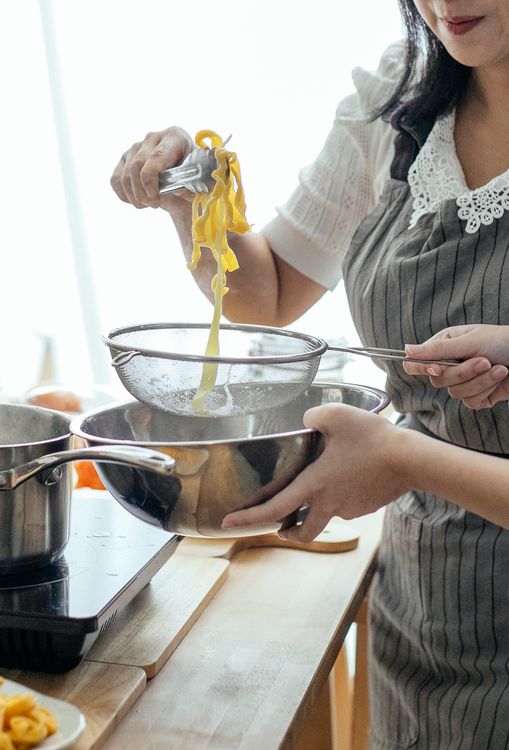 Compare on AmazonStainless mesh colanderA roomy mesh colander drains the slippery sweet-potato noodles quickly so they stay springy and do not dilute the sesame dressing.See current options →
 Compare on AmazonLong stainless-steel tongsTongs toss the noodles, beef and separately cooked vegetables evenly without chopping the long glass noodles.See current options →
 Compare on AmazonChef’s knifeA sharp all-purpose blade makes uniform carrot, onion, mushroom and beef strips that cook quickly and evenly.See current options →
Cool japchae promptly and refrigerate in a shallow airtight container within 2 hours for up to 4 days. Reheat a portion in a covered skillet over medium-low with 1 tablespoon water until it reaches 165°F, then uncover briefly to restore its sheen. The noodles can also be served cool after proper refrigeration. Freezing is not recommended because the vegetables lose their texture.
They were probably left undressed after draining or were not shaken dry. Cut and toss the warm, well-drained noodles with dressing immediately, then use tongs to separate them during the final skillet glaze.
Yes. Cook it up to one day ahead, cool quickly and refrigerate. Rewarm gently with a splash of water, or let it lose its refrigerator chill for 20 minutes and serve at room temperature; do not leave it out longer than 2 hours.
Sweet-potato starch noodles are generally gluten-free, but ordinary soy sauce contains wheat. Use certified gluten-free tamari and verify the labels on the noodles, mirin and every packaged ingredient if cross-contact matters.
Cook next
60 min
Crunchy smashed potatoes and seared ribeye bites drenched in zippy garlic-herb cowboy butter.
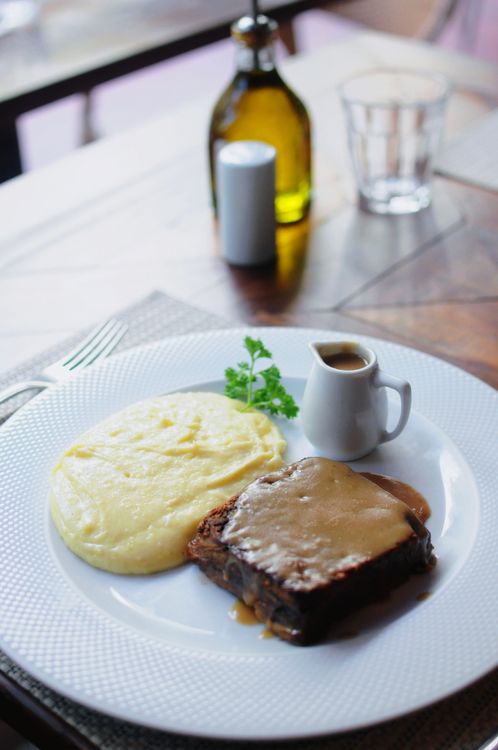 85 min
A sliceable, juicy ground-beef meatloaf with a sticky tomato glaze and creamy garlic mashed potatoes—the full comfort-food plate.
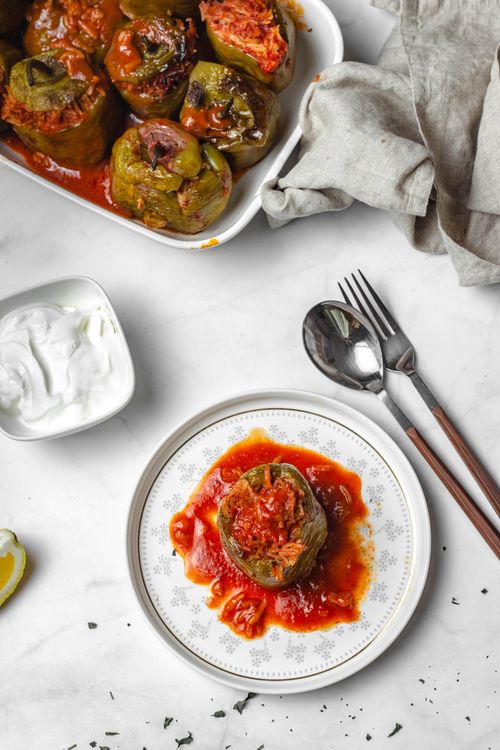 70 min
Tender bell peppers packed with garlicky beef, rice, tomatoes, and herbs, then baked in a bright tomato sauce until bubbling.
 45 min
Chile-lime ribeye over rice with corn, black beans, avocado, salsa, cheese, and smoky chipotle ranch.