 85 min
Portuguese-Style Pastéis de Nata with Flaky Puff Pastry
Spiral-layered puff pastry cradles silky lemon-cinnamon custard baked at fierce heat until the tops blister and the shells shatter.
Weekend
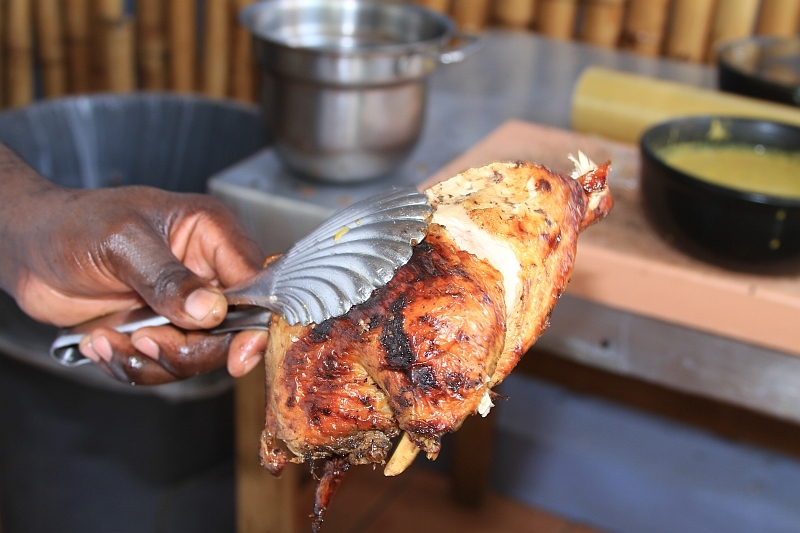
A deeply seasoned whole chicken, marinated with scallions, thyme, allspice and Scotch bonnet, then grilled over two-zone heat until smoky, burnished and juicy.
Put on disposable gloves before handling the Scotch bonnet, then stem it and scrape out the seeds and pale ribs for assertive but manageable heat. Keep the chile away from your eyes, wash the knife and board with hot soapy water, and discard the gloves.
In a blender combine the scallions, garlic, ginger, Scotch bonnet, thyme, allspice, brown sugar, black pepper, cinnamon, nutmeg, salt, lime juice, soy sauce, oil and vinegar. Blend, scraping down once, until a thick, spoonable green-brown paste forms.
Pat the chicken dry. Loosen the skin over the breasts and thighs with your fingers without tearing it. Rub one-third of the marinade under the skin, one-third inside the cavity and the remainder over the exterior. Set the chicken in a clean nonreactive dish, cover and refrigerate for 8 to 24 hours. Discard any marinade that has contacted raw chicken.
Remove the chicken from the refrigerator 30 minutes before grilling. Heat a gas or charcoal grill for two-zone cooking, with one side at 375 to 400°F and the other side unlit. Clean and lightly oil the grates. Tuck the wing tips behind the breasts and tie the drumstick ends together with kitchen twine.
Place the chicken breast-side up over indirect heat with the legs pointing toward the hotter side. Close the lid and cook for 55 minutes, keeping the grill between 350 and 400°F. Rotate the bird 180 degrees halfway through without moving it over direct flame.
Turn the chicken breast-side down over direct medium heat for 3 to 5 minutes, watching closely because the marinade can scorch. Return it breast-side up to indirect heat, close the lid and cook 10 to 20 minutes more. Check several places without touching bone: the thickest breast must reach 165°F and the inner thigh should reach at least 165°F, preferably 175°F for tenderness.
Transfer the burnished whole chicken to a clean board and rest uncovered for 15 minutes. Remove the twine, carve through the joints and arrange the pieces so the browned jerk crust stays visible. Spoon any carving juices over the meat and serve with lime wedges and thyme sprigs.
Useful kitchen gear
Compare the function and specifications first; skip anything your kitchen already handles well.
 Compare on AmazonLong kitchen tongsA secure grip lets you rotate and brown the whole bird while keeping your hands clear of direct heat and flare-ups.See current options →
 Compare on AmazonInstant-read thermometerCheck several spots and confirm the breast reaches 165°F and the inner thigh at least 165°F without touching bone.See current options →
 Compare on AmazonStainless mixing bowlsA nonreactive bowl contains the citrus-and-chile marinade and keeps raw poultry separate from clean carving and serving tools.See current options →
Carve leftovers from the bones and refrigerate in shallow airtight containers within 2 hours for up to 4 days. Reheat covered with a spoonful of water in a 325°F oven until every piece reaches 165°F, or enjoy chilled in sandwiches. Freeze cooked chicken off the bone for up to 3 months and thaw overnight in the refrigerator.
Use half a Scotch bonnet and remove every seed and pale rib, but keep the allspice, thyme, scallions, ginger and black pepper at full strength. Those aromatics provide jerk character even when the chile heat is reduced.
The bird spent too long over direct flame or the grill exceeded 400°F. Cook almost entirely over the unlit zone, use direct heat only for a closely watched finish and move the chicken away immediately if flames flare.
Yes. Marinate 4 to 5 pounds of bone-in pieces and cook over indirect heat, moving pieces over direct heat only to brown. Breasts must reach 165°F; legs are juicier around 175°F. Begin checking smaller pieces after 30 minutes.
Cook next
85 min
Spiral-layered puff pastry cradles silky lemon-cinnamon custard baked at fierce heat until the tops blister and the shells shatter.
 70 min
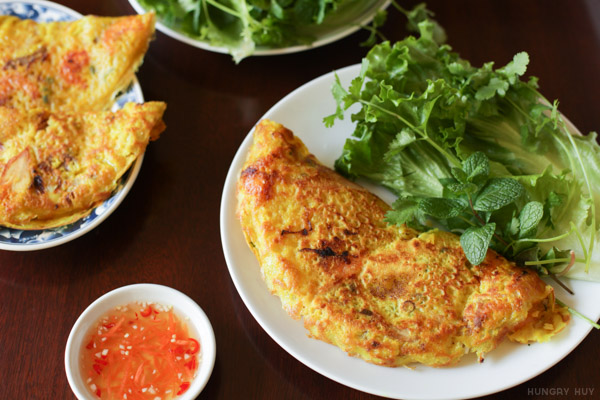
Lacy turmeric rice crêpes crackle around savory pork, shrimp and bean sprouts, ready to wrap in cool lettuce with mint and a bright garlic-lime dipping sauce.
 128 min
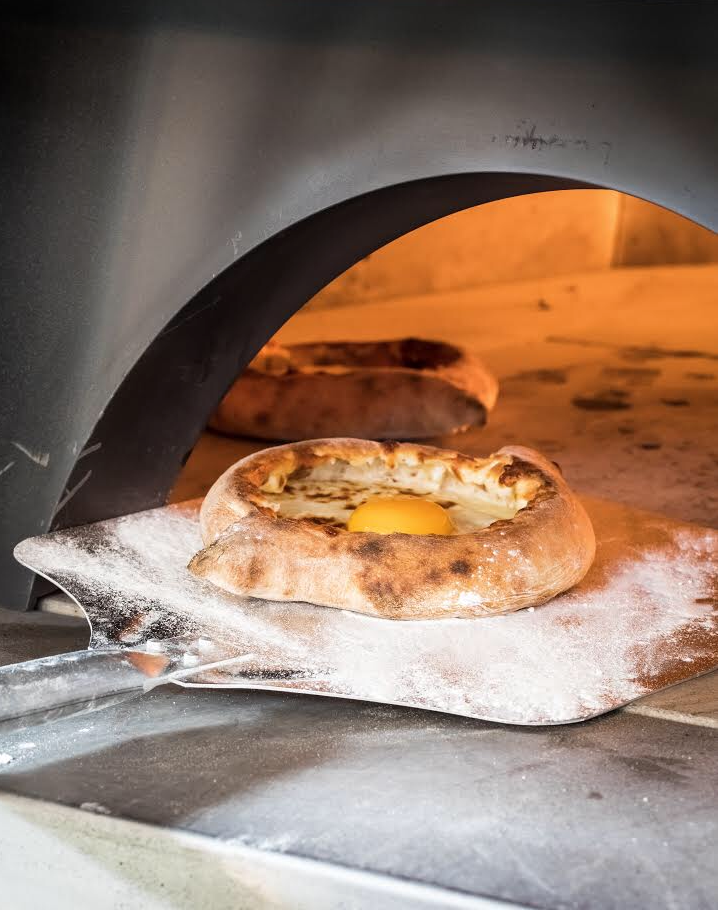
High-heat Georgian-style bread boats cradle bubbling feta and mozzarella, then finish with a just-set egg and butter to stir into the molten center.
 195 min
Fork-tender beef chuck, chewy wheat noodles and leafy greens meet a deeply savory tomato, chile-bean and five-spice broth built for a restorative weekend meal.