 210 min
No-Knead Tomato, Olive & Red Onion Focaccia
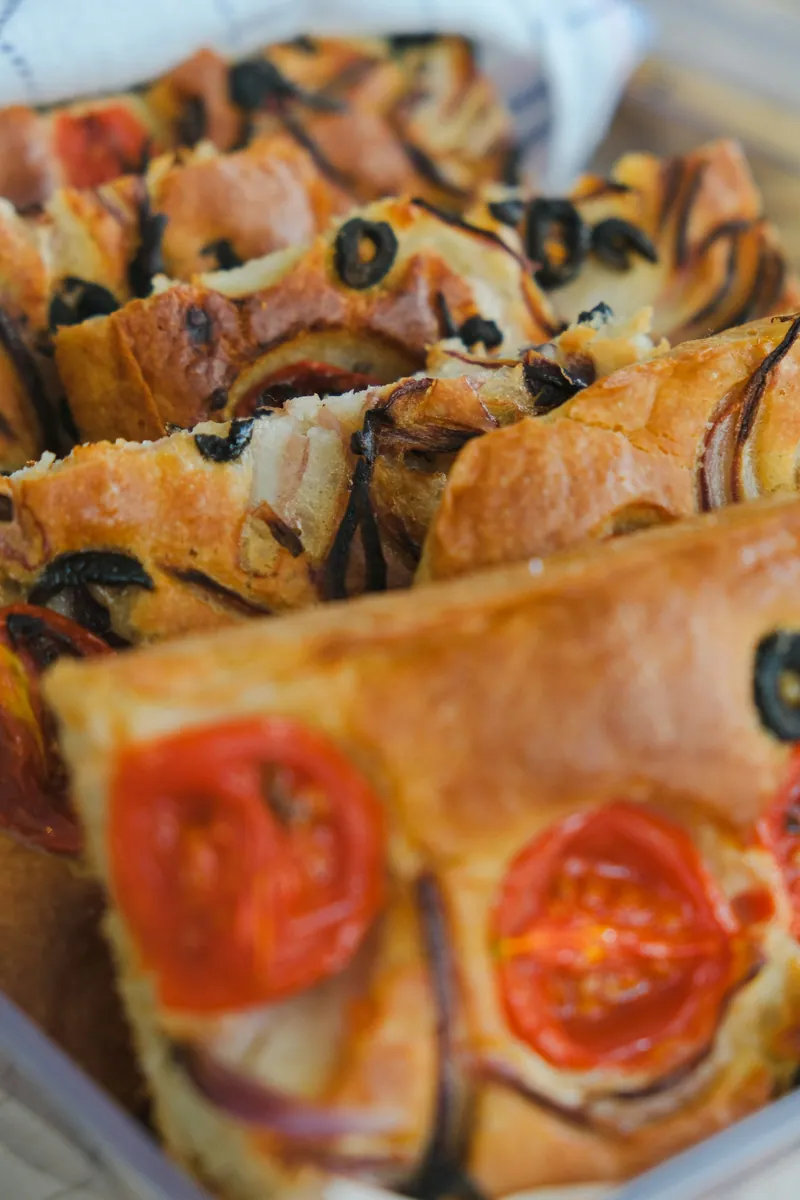
A deeply dimpled, olive-oil-rich focaccia with crisp edges, a tender open crumb, sweet tomatoes, briny black olives and ribbons of red onion.
Weekend
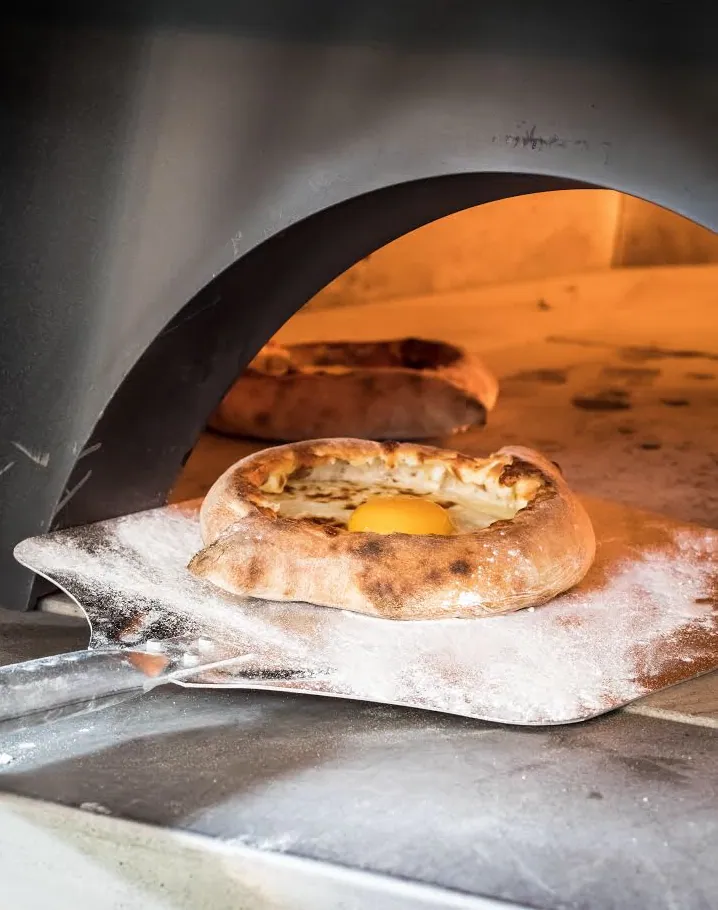
High-heat Georgian-style bread boats cradle bubbling feta and mozzarella, then finish with a just-set egg and butter to stir into the molten center.
Whisk the flour, yeast, sugar and salt in a large bowl. Add the warm milk, warm water and olive oil. Stir until no dry flour remains, then knead on a lightly floured counter for 8 to 10 minutes, until smooth, elastic and only slightly tacky. Add flour 1 teaspoon at a time only if the dough sticks heavily.
Place the dough in a lightly oiled bowl, turn to coat and cover. Let rise in a warm, draft-free place for 60 to 75 minutes, until nearly doubled. A slow rise builds flavor; judge the dough by volume rather than the clock.
Set a heavy rimmed half-sheet pan upside down on the middle oven rack and heat the oven to 500°F for at least 30 minutes. Cut two 12-by-16-inch sheets of parchment. The inverted pan creates a flat, intensely hot surface while keeping this method accessible without a baking stone.
Combine the mozzarella, feta and ricotta in a medium bowl. The mixture should hold together loosely without pooling liquid. Divide it into two equal portions.
Gently deflate the risen dough and divide it into two equal pieces. On separate parchment sheets, stretch each piece into an 11-by-7-inch oval. Roll both long sides inward toward the center to make thick raised rims, then pinch and twist the ends firmly into points, leaving a 3-inch-wide open channel.
Spread one portion of cheese inside each channel, stopping 1/2 inch from the rolled rim. Press the filling gently into an even layer while preserving the pointed boat shape visible in the photograph. Let the shaped breads rest for 10 minutes.
Slide both breads, still on their parchment, onto the preheated inverted pan. Bake for 11 to 13 minutes, rotating the parchment once, until the rims are deeply golden, the bottoms are crisp and the cheese bubbles. The bread rim should register about 200°F in its thickest section.
Crack each egg into a small cup. Pull the pan rack out carefully, make a shallow well in each cheese center and slide in one egg. Bake for 3 to 5 minutes, until the whites are opaque and set at the edges while pasteurized yolks remain jammy. For children, pregnant people, older adults or anyone immunocompromised, continue baking until both white and yolk reach 160°F.
Transfer each hot khachapuri to a board and add 1 tablespoon butter beside the egg. Scatter with parsley if using. At the table, stir the egg and melting butter through the cheese, tear off pieces of the browned rim and dip them into the center. Serve immediately while the filling is fluid.
Useful kitchen gear
Compare the function and specifications first; skip anything your kitchen already handles well.
Khachapuri is best immediately. Refrigerate leftovers within 2 hours in an airtight container for up to 3 days. Reheat on a preheated sheet pan in a 375°F oven for 8 to 12 minutes, until the center reaches 165°F; cover loosely with foil if the rim darkens too quickly. Do not leave a jammy egg at room temperature, and do not freeze an egg-topped bread because the texture deteriorates.
The pointed ends were not sealed firmly enough or too much cheese pushed against the sides. Twist and pinch each end, keep the filling below the rolled rim and leave a small margin around it.
Yes. Use cool rather than warm liquid, cover the mixed dough and refrigerate it for 8 to 24 hours. Let it stand at room temperature for 45 to 60 minutes before dividing and shaping.
A pasteurized egg lowers risk when you want a jammy yolk, but risk is not zero. People at higher risk of foodborne illness should use pasteurized eggs and cook both white and yolk to 160°F.
Bread-making techniques
Compare an enriched cheese-filled bread boat with high-hydration no-knead focaccia, hand-stretched pizza and quick soda bread by leavening, shaping and total time.
210 min
A deeply dimpled, olive-oil-rich focaccia with crisp edges, a tender open crumb, sweet tomatoes, briny black olives and ribbons of red onion.
 90 min
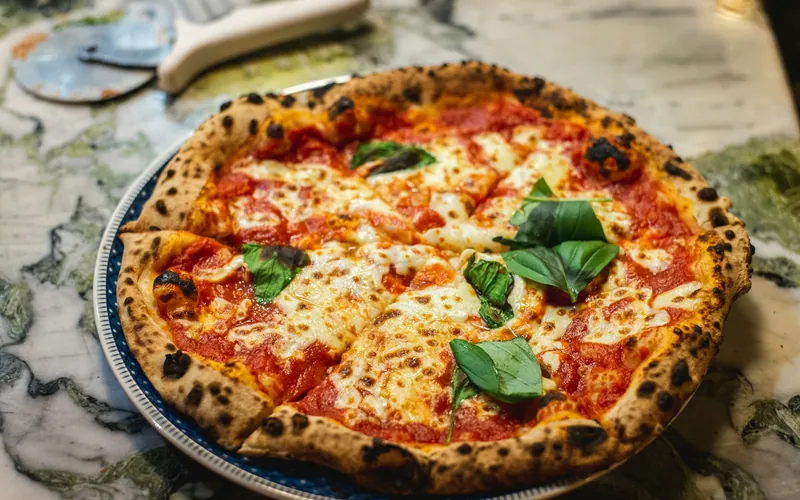
A blistered, crisp-chewy crust carries bright crushed tomato, milky mozzarella, fresh basil and olive oil in a focused homemade pizza built for a very hot oven.
 90 min
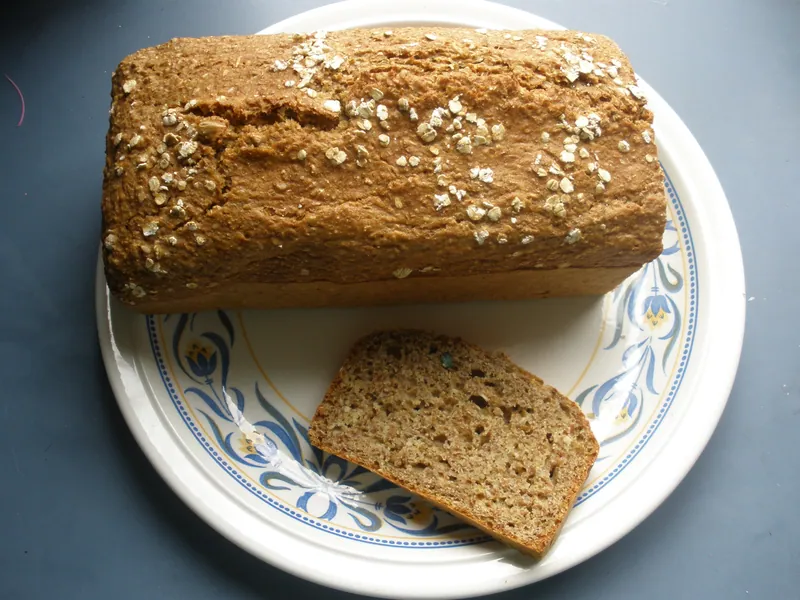
Whole-wheat flour, bran and oats make a hearty loaf with a tender buttermilk crumb—no yeast, kneading or rise time required.
Cook next
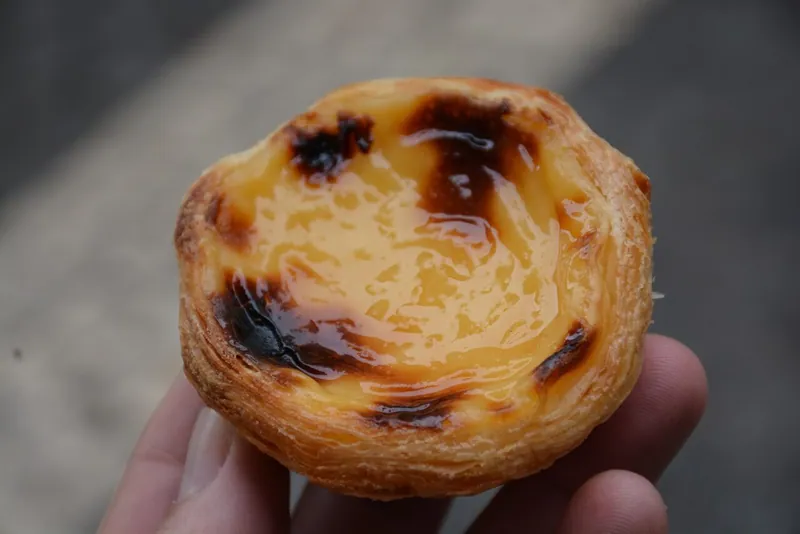 85 min
Spiral-layered puff pastry cradles silky lemon-cinnamon custard baked at fierce heat until the tops blister and the shells shatter.
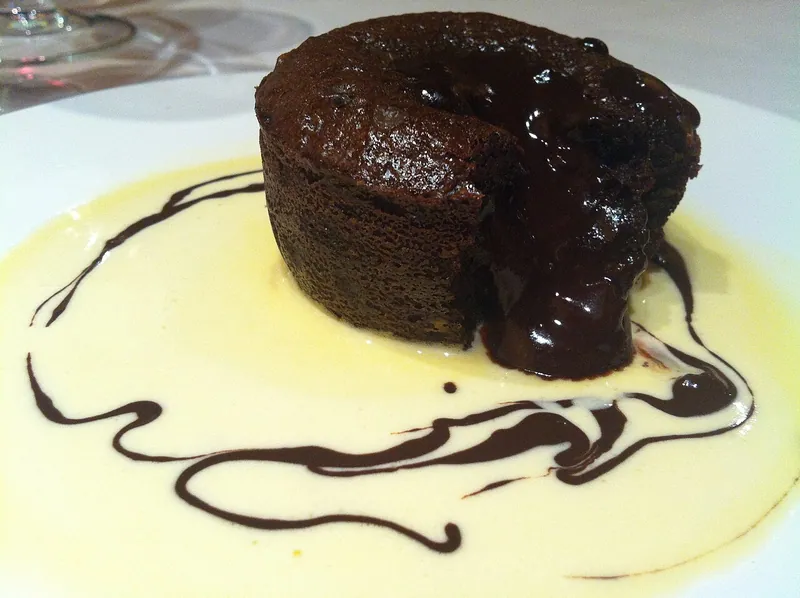 80 min
Warm individual chocolate cakes release glossy centers into a cool, pourable vanilla custard for a restaurant-style dessert with reliable temperature cues.
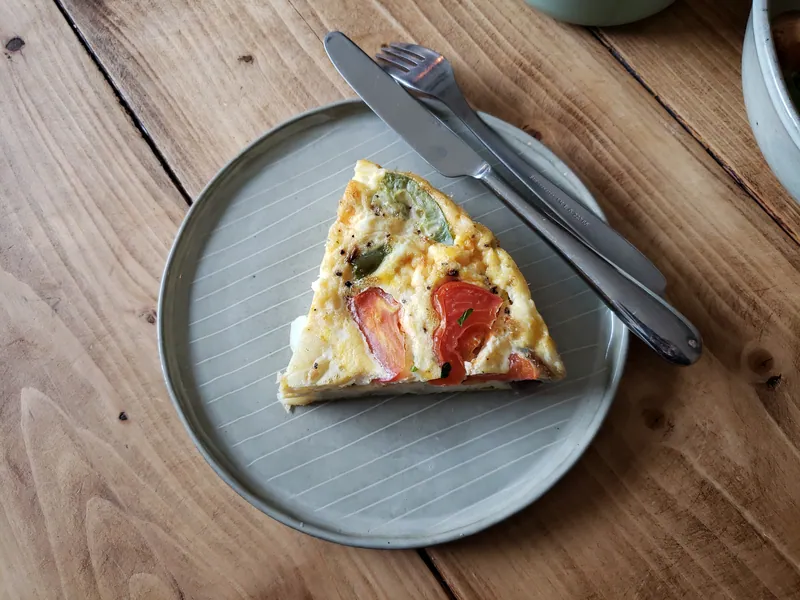 45 min
Creamy cottage cheese disappears into tender eggs while sweet tomatoes and sautéed green pepper make this skillet breakfast colorful, savory and meal-prep friendly.
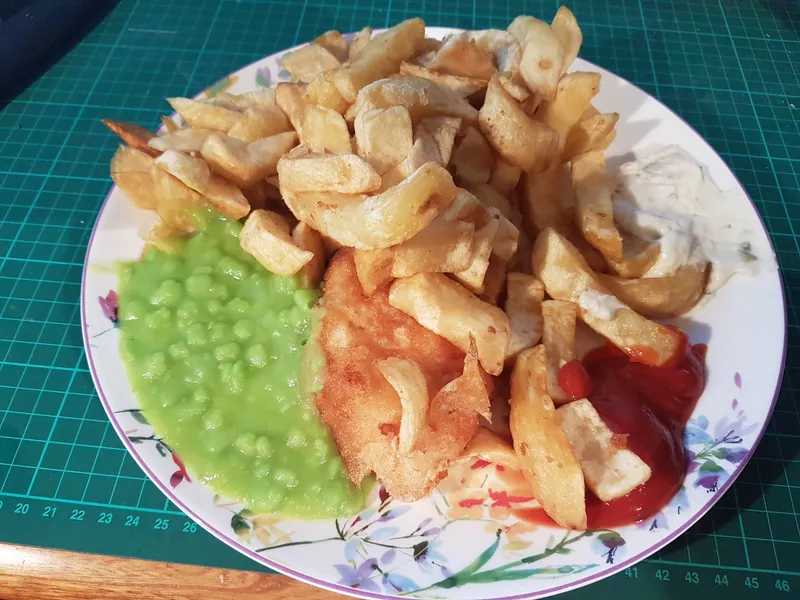 110 min
Crisp, airy beer-battered cod and twice-fried chips share the plate with minty mushy peas, lemon and a sharp homemade tartar sauce.