
 40 min
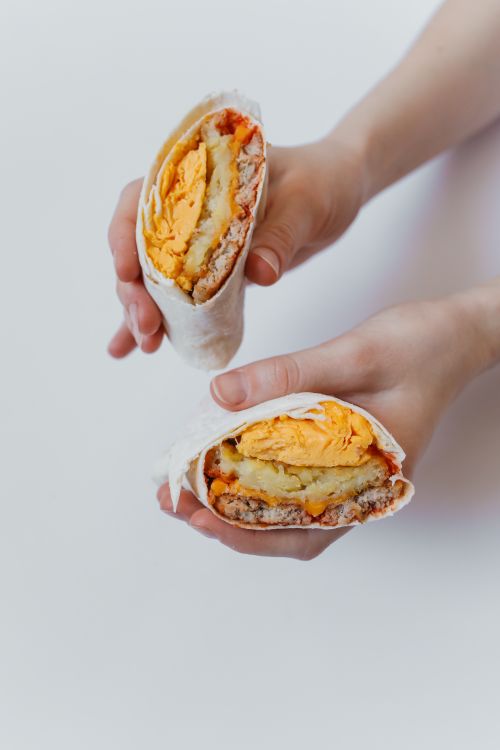
Freezer Breakfast Burritos
Fluffy eggs, crisp potatoes, sausage, peppers, and cheese wrapped for grab-and-go mornings that do not taste like compromise.
Breakfast
An enriched yeasted dough studded with pearl sugar cooks into dense, tender waffles with deeply caramelized edges and crisp sugar pockets.
Stir warm milk, yeast and granulated sugar in a stand-mixer bowl. Rest 5 minutes, until creamy at the surface. Whisk in eggs and vanilla.
Add flour and salt. Mix with the dough hook on low until no dry flour remains, then on medium-low for 5 minutes. Add soft butter 1 tablespoon at a time, waiting until each addition disappears. Continue kneading 6 to 8 minutes, until glossy, elastic and tacky.
Cover the bowl and let rise in a warm draft-free place for 60 to 75 minutes, until about doubled. If the room is cool, use the oven with only the light switched on; do not heat the oven.
Gently deflate the dough and knead in pearl sugar on low speed for 30 to 45 seconds, just until distributed. Divide into eight pieces of about 120 g each and shape loosely into balls.
Cover portions and rest 15 minutes. Preheat a Belgian-style waffle iron to medium, about 350–375°F if it has a temperature control. Lightly brush both plates with neutral oil.
Set one dough ball in each waffle section without pressing it flat. Close and cook 3 to 5 minutes, until deep golden, caramelized and at least 190°F in the bready center. Use silicone-tipped tongs; melted sugar is extremely hot.
Transfer waffles to a wire rack for 5 minutes so the sugar shell sets. Serve warm and mostly plain, or add a light dusting of powdered sugar and berries.
Unplug the iron and let it cool until warm, not cold. Wipe softened sugar with damp paper towels and a wooden or silicone tool, following the manufacturer's cleaning directions; never immerse an electric waffle iron.
Useful kitchen gear
Compare the function and specifications first; skip anything your kitchen already handles well.
Cool completely and store airtight at room temperature for 1 day or refrigerate up to 4 days. Freeze between parchment sheets for up to 2 months. Reheat from chilled or frozen in a 325°F oven for 6 to 10 minutes; a microwave softens the caramelized exterior.
The butter may have been added too quickly or was partially melted. Keep mixing on medium-low; a properly developed dough usually gathers and turns glossy within several minutes.
Yes. Complete the first rise in the refrigerator for 8 to 16 hours. Bring the dough out for 30 minutes, fold in pearl sugar, portion and rest 20 minutes before cooking.
Liège waffles are made from enriched yeast dough and are intentionally dense and chewy. Light rectangular Brussels waffles come from a different, pourable batter.
Cook next
40 min
Fluffy eggs, crisp potatoes, sausage, peppers, and cheese wrapped for grab-and-go mornings that do not taste like compromise.
 60 min
Flaky salt cod, tender canned ackee, sweet peppers and thyme make a savory breakfast platter with crisp lime slaw and juicy tomatoes.
 45 min
Fluffy caramelized pancake pieces with rum-soaked raisins, a snowfall of confectioners' sugar and a tart cinnamon-plum compote.
 260 min
Creamy vanilla chia pudding is layered with fresh berries, almond butter and a salty-sweet seed crunch for a genuinely satisfying make-ahead breakfast.