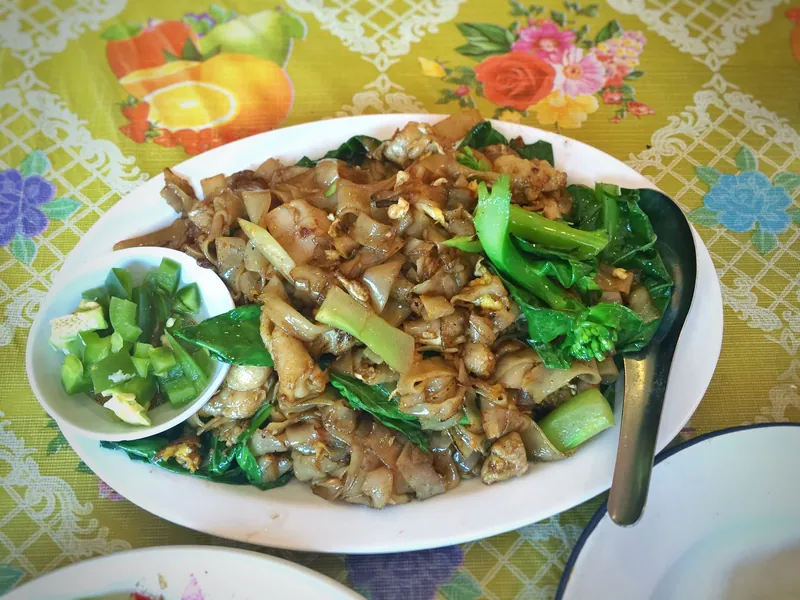
Glossy wide rice noodles, tender chicken, egg and crisp-tender Chinese broccoli pick up a savory dark-soy char in a hot skillet for a focused 40-minute Thai noodle dinner.
Bring the fresh rice noodles to room temperature. If they are stuck in a firm block, microwave them in their closed package for 20 seconds, then open and tease the ribbons apart with lightly oiled fingers. Repeat once only if needed. Do not rinse fresh noodles: surface moisture prevents browning and makes the fragile ribbons break. If using refrigerated vacuum-packed noodles, follow the package's loosening directions.
Season the chicken and mix the sauce
Toss the chicken with 1 teaspoon light soy sauce, the cornstarch and 1 teaspoon oil; leave for 10 minutes while you prepare the vegetables. In a small bowl, stir together the oyster sauce, 1 1/2 tablespoons light soy sauce, black soy sauce, sugar, vinegar, white pepper and 2 tablespoons water until the sugar dissolves. Keeping this sauce measured prevents delays once the pan is hot.
Cut the Chinese broccoli for even cooking
Trim 1/4 inch from the gai lan stems. Slice the thick stems on a sharp diagonal into 1/4-inch pieces and keep them separate from the leaves. Cut the leaves into 2-inch pieces. This two-pile preparation lets the sturdy stems start first while the leaves stay bright and tender.
Sear the chicken safely
Heat a well-seasoned 14-inch wok or 12-inch cast-iron skillet over high heat until a drop of water evaporates on contact. Add 1 tablespoon oil and swirl. Arrange the chicken in one layer and leave it undisturbed for 60 to 90 seconds, then stir-fry for 2 to 3 minutes, until browned and the thickest piece reaches 165°F (74°C). Transfer to a clean plate; do not return cooked chicken to the bowl that held it raw.
Cook the egg, garlic and gai lan
Return the pan to high heat and add 1 tablespoon oil. Pour in the eggs and let the bottom set for 15 seconds, then break them into broad curds for 30 to 45 seconds. Push the egg to one side, add the garlic and gai lan stems to the cleared space, and stir-fry for 45 seconds. Add the leaves and toss for 30 seconds, just until glossy and beginning to wilt.
Char the noodles in two batches
Transfer the egg and vegetables to the chicken plate. Add the remaining 1 tablespoon oil, then spread half the noodles across the hot pan. Drizzle half the sauce around the edges. Leave undisturbed for 45 seconds so patches caramelize, then turn with a wide spatula and toss for 30 seconds. Transfer to a large warm bowl and repeat with the remaining noodles and sauce. Working in two batches protects the pan's heat and creates browned edges instead of steamed, soggy noodles.
Finish quickly and serve
Return all the noodles, chicken, egg and gai lan to the pan. Toss over high heat for 60 to 90 seconds, lifting from underneath rather than stirring in circles, until the sauce coats the ribbons and everything is steaming hot. Taste before adding the optional salt because the soy and oyster sauces vary. Divide among four plates immediately and offer chili vinegar or sambal at the table. The finished dish should show glossy broad noodles, distinct chicken pieces, egg curds and vivid gai lan matching the verified photograph.
Why this works
Why it worksFresh sen yai supply the broad, supple ribbons associated with pad see ew; gently warming a cold block loosens the noodles without adding the water that would inhibit caramelization.
Why it worksA short cornstarch-and-soy coating buffers the thin chicken slices against the wok's high heat while a verified 165°F center provides clear poultry safety guidance.
Why it worksLight soy sauce supplies salinity, black soy sauce supplies color and caramel notes, and oyster sauce supplies body, so no single sauce has to make the noodles excessively salty.
Why it worksSeparating gai lan stems from leaves gives each part the heat it needs: crisp stems soften first, while the leaves keep their color and slight bitterness.
Why it worksTwo noodle batches leave enough exposed hot metal for real contact browning. The final brief toss reunites the components without shredding the rice noodles.
Useful kitchen gear
Tools that make this easier.
Compare the function and specifications first; skip anything your kitchen already handles well.
Paid links: As an Amazon Associate I earn from qualifying purchases. You pay no additional cost.
Eight ounces dried extra-wide rice noodles can replace fresh sen yai. Soak or cook only until pliable according to the package, rinse briefly in cool water, drain extremely well and toss with 1 teaspoon oil. Expect a slightly springier, less silky result.
Boneless chicken breast works ounce for ounce. Slice it no thicker than 1/4 inch, use the same coating and remove it as soon as every piece reaches 165°F to limit drying.
Broccolini can replace gai lan. Slice thick stems lengthwise, start all stems with the garlic and add the florets with the leaves; the flavor will be sweeter and less mineral.
For a meatless variation, use 14 ounces pressed extra-firm tofu cut into 3/4-inch cubes. Sear until golden, then use vegetarian oyster-flavored sauce and check that every soy sauce is vegetarian.
For a gluten-free variation, choose certified gluten-free oyster sauce and tamari in place of the light and dark soy sauces. The color will be lighter unless a verified gluten-free dark soy sauce is available.
Cook notes
The Thailand Foundation describes pad see ew as a savory stir-fry of wide rice noodles, soy sauce, Chinese broccoli and a chosen meat. This chicken version keeps those defining components and does not treat the dish as interchangeable with sweet-sour Pad Thai.
MICHELIN Guide Thailand explains that the Thai name means 'fried with soy sauce' and emphasizes caramelization from black soy sauce and hot-wok cooking. The two-batch home-skillet method translates that technique without claiming restaurant-burner heat.
USDA Food Safety and Inspection Service guidance sets 165°F (74°C) as the safe internal temperature for all poultry. Check the thickest chicken strip with an instant-read thermometer before it leaves the pan.
The CC BY 2.0 photograph by T.Tseng was inspected at full size before publication. It clearly shows browned wide rice noodles, chicken, egg and leafy Chinese broccoli; the title, ingredients, final assembly and alt text are limited to those verified visible details.
Fresh-noodle decision guide: use sen yai straight from a same-day package when ribbons separate easily; briefly warm a refrigerated block; use dried extra-wide rice noodles only when fresh are unavailable. Never boil fresh sen yai as if they were dried noodles.
Heat troubleshooting: pale wet noodles mean the pan was crowded or the gai lan released water; scorched sauce before the noodles color means the pan was too hot or the sauce sat on bare metal; torn ribbons usually mean cold noodles or circular stirring. Correct those conditions before the second batch.
Oyster sauce and soy sauce contain common allergens, and most soy sauces contain wheat. Check labels for shellfish, soy, wheat and gluten needs; substitutions change both flavor and color.
Calories and cost are estimates for one of four portions. Noodle brands, the amount of oil left in the pan and local prices for gai lan and chicken will change both.
Storage
Pad see ew is best directly from the pan because fresh rice noodles firm as they cool. Refrigerate leftovers in a shallow airtight container within 2 hours and use within 3 days. Reheat one portion in a lightly oiled skillet over medium-high heat with 1 tablespoon water, tossing gently until the noodles loosen and the chicken reaches 165°F (74°C); avoid repeated reheating. Freezing is not recommended because thawed fresh rice noodles tend to split and the gai lan becomes watery.
Questions
Why did my pad see ew noodles break or clump?
Fresh rice noodles split when they are cold, overhandled or stirred before their underside releases from the pan. Bring them to room temperature, warm a stubborn block in 20-second bursts and separate it before cooking. In the skillet, let each batch sit for 45 seconds, then lift and turn with a broad spatula. If using dried noodles, stop cooking while they still have a little bite and drain them very well.
Can I make chicken pad see ew without a wok?
Yes. A 12-inch cast-iron or heavy stainless-steel skillet holds heat well enough for a home version. Preheat it fully, keep each component ready beside the stove and char the noodles in two batches. A nonstick skillet can work over medium-high rather than maximum heat, but it will usually produce less browned contact and should never be heated empty beyond its manufacturer's guidance.
Is pad see ew supposed to be spicy, and how is it different from Pad Thai?
Pad see ew is usually savory and gently sweet rather than chile-hot; diners can add chili vinegar at the table. Its defining profile is wide rice noodles, soy sauce, Chinese broccoli and wok char. Pad Thai has a separate sweet-sour-salty profile, commonly uses narrower noodles and includes ingredients such as tamarind, bean sprouts and peanuts. They solve different cravings and are not cosmetic variations of one dish.
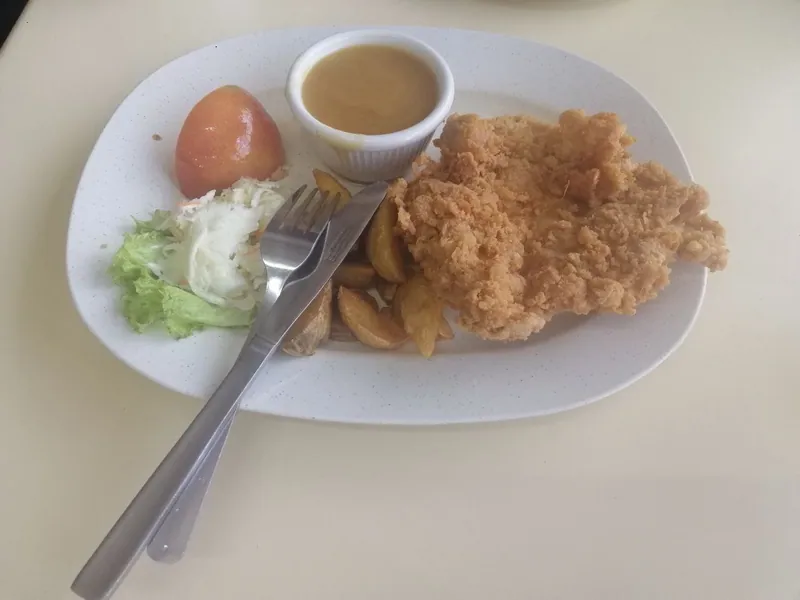
Craggy, juicy fried chicken cutlets are paired with crisp oven fries, a smooth onion-Worcestershire brown gravy and cool cabbage salad for a complete Malaysian kopitiam-style dinner.
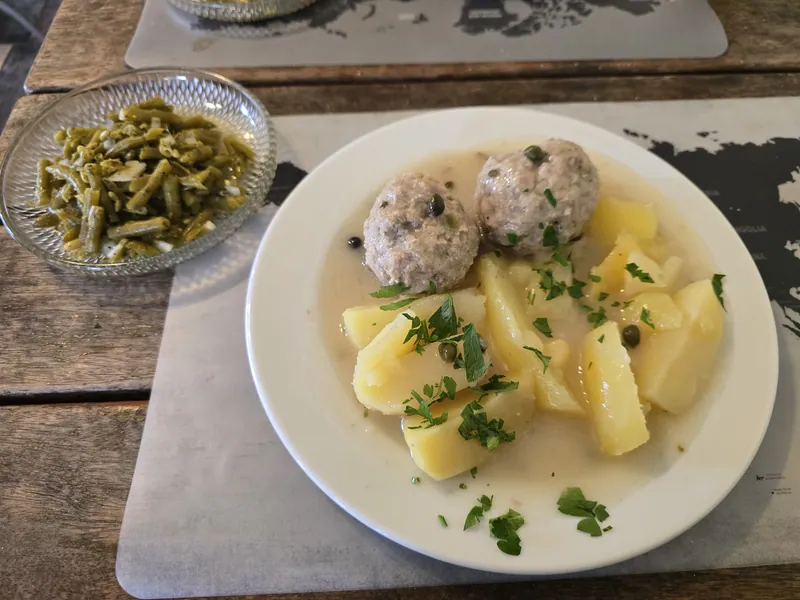
Tender beef-and-veal meatballs poach gently before their broth becomes a lemony caper cream sauce, with boiled potatoes and a sharp green-bean salad completing the photographed German plate.
⏱ 105 min$4.40/serving
Thai Chicken Pad See Ew with Chinese Broccoli
Screen stays awake when supported.
1. Separate the noodles without tearing themBring the fresh rice noodles to room temperature. If they are stuck in a firm block, microwave them in their closed package for 20 seconds, then open and tease the ribbons apart with lightly oiled fingers. Repeat once only if needed. Do not rinse fresh noodles: surface moisture prevents browning and makes the fragile ribbons break. If using refrigerated vacuum-packed noodles, follow the package's loosening directions.
2. Season the chicken and mix the sauceToss the chicken with 1 teaspoon light soy sauce, the cornstarch and 1 teaspoon oil; leave for 10 minutes while you prepare the vegetables. In a small bowl, stir together the oyster sauce, 1 1/2 tablespoons light soy sauce, black soy sauce, sugar, vinegar, white pepper and 2 tablespoons water until the sugar dissolves. Keeping this sauce measured prevents delays once the pan is hot.
3. Cut the Chinese broccoli for even cookingTrim 1/4 inch from the gai lan stems. Slice the thick stems on a sharp diagonal into 1/4-inch pieces and keep them separate from the leaves. Cut the leaves into 2-inch pieces. This two-pile preparation lets the sturdy stems start first while the leaves stay bright and tender.
4. Sear the chicken safelyHeat a well-seasoned 14-inch wok or 12-inch cast-iron skillet over high heat until a drop of water evaporates on contact. Add 1 tablespoon oil and swirl. Arrange the chicken in one layer and leave it undisturbed for 60 to 90 seconds, then stir-fry for 2 to 3 minutes, until browned and the thickest piece reaches 165°F (74°C). Transfer to a clean plate; do not return cooked chicken to the bowl that held it raw.
5. Cook the egg, garlic and gai lanReturn the pan to high heat and add 1 tablespoon oil. Pour in the eggs and let the bottom set for 15 seconds, then break them into broad curds for 30 to 45 seconds. Push the egg to one side, add the garlic and gai lan stems to the cleared space, and stir-fry for 45 seconds. Add the leaves and toss for 30 seconds, just until glossy and beginning to wilt.
6. Char the noodles in two batchesTransfer the egg and vegetables to the chicken plate. Add the remaining 1 tablespoon oil, then spread half the noodles across the hot pan. Drizzle half the sauce around the edges. Leave undisturbed for 45 seconds so patches caramelize, then turn with a wide spatula and toss for 30 seconds. Transfer to a large warm bowl and repeat with the remaining noodles and sauce. Working in two batches protects the pan's heat and creates browned edges instead of steamed, soggy noodles.
7. Finish quickly and serveReturn all the noodles, chicken, egg and gai lan to the pan. Toss over high heat for 60 to 90 seconds, lifting from underneath rather than stirring in circles, until the sauce coats the ribbons and everything is steaming hot. Taste before adding the optional salt because the soy and oyster sauces vary. Divide among four plates immediately and offer chili vinegar or sambal at the table. The finished dish should show glossy broad noodles, distinct chicken pieces, egg curds and vivid gai lan matching the verified photograph.
 95 min