 105 min
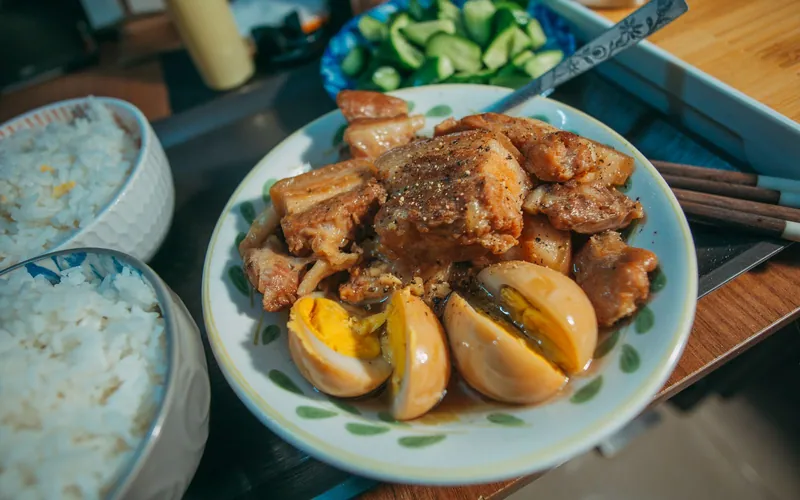
Filipino-Style Pork Adobo with Eggs & Steamed Rice
Pork belly and shoulder braise in soy, cane vinegar, garlic, bay and cracked pepper until tender, then share their glossy sauce with jammy eggs and hot jasmine rice.
Family Favorites
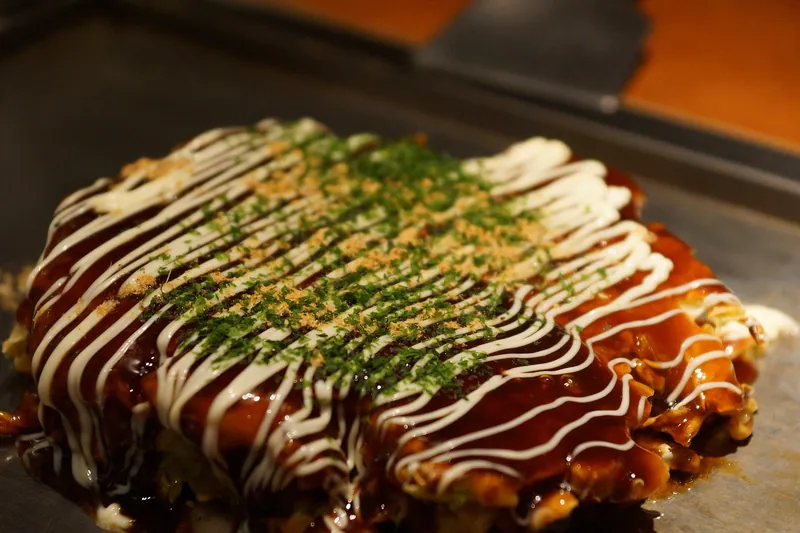
Crisp-edged Japanese savory pancakes hide a tender cabbage-and-pork center beneath glossy okonomiyaki sauce, Kewpie mayonnaise, aonori and dancing bonito flakes.
Whisk the ketchup, Worcestershire, oyster sauce and honey in a small bowl until smooth. Transfer the mayonnaise to a squeeze bottle or snip a tiny corner from a zip-top bag so the photographed thin white stripes are easy to make.
Whisk the flour, baking powder and salt in a large bowl. Add the dashi and eggs and whisk only until no dry flour remains; a few small lumps are better than an overmixed, tough pancake.
Add the shredded cabbage, scallions and tenkasu to the batter. Fold with a flexible spatula until every strand is lightly coated. The mixture should look mostly like cabbage held together by a thin batter, not pourable pancake batter.
Heat 1 tablespoon oil in a 12-inch nonstick or well-seasoned cast-iron skillet over medium heat. Spoon half the cabbage mixture into the skillet and shape it into an even 7-inch round about 1 inch thick. Do not press it flat. Arrange half the pork slices in one layer across the top.
Cover and cook for 6 to 7 minutes, until the underside is deeply golden and the cabbage begins to soften. Slide a wide spatula underneath to confirm the pancake releases cleanly before attempting to flip.
Set a dinner plate over the skillet, invert the pancake onto it, then slide it back into the skillet pork-side down. Cover and cook for 6 to 7 minutes. Uncover and cook 1 to 2 minutes more, until the pork is browned and reaches at least 145°F and the center of the pancake feels set rather than wet.
Transfer the first pancake to a warm plate. Wipe out any dark crumbs, add the remaining tablespoon oil and repeat with the remaining cabbage mixture and pork. Keep the first pancake warm in a 200°F oven if desired.
Brush each hot pancake generously with okonomiyaki sauce. Pipe mayonnaise in narrow parallel stripes, sprinkle with aonori and finish with bonito flakes so the heat makes them flutter. Serve the pickled ginger alongside, matching the photographed glossy brown, white and green finish.
Cut each pancake into four wedges and serve two wedges per person while the edges are crisp. Provide extra sauce and pickled ginger at the table rather than soaking the cut surfaces in advance.
Useful kitchen gear
Compare the function and specifications first; skip anything your kitchen already handles well.
Cool ungarnished pancakes and refrigerate in a shallow airtight container within 2 hours for up to 3 days. Reheat on a lightly oiled skillet over medium-low for 4 to 5 minutes per side, or in a 375°F oven for 10 minutes, until the center reaches 165°F. Add sauce, mayonnaise, aonori and bonito only after reheating. Freeze parchment-separated, ungarnished pancakes for up to 1 month.
The first side had not formed a firm crust or the cabbage was too coarsely cut. Keep the pancake near 7 inches, cook it covered for the full 6 to 7 minutes and verify that a wide spatula can lift the whole base before flipping with a plate.
Whisk the flour batter and refrigerate it for up to 8 hours, but fold in cabbage, scallions and tenkasu immediately before cooking. Salted batter pulls water from cabbage and becomes thin if it sits assembled.
Use cool water plus 1 teaspoon soy sauce for the dashi, finely crumbled nori for aonori and omit bonito if necessary. The pancake will still work, though the specialty ingredients provide the most recognizable Japanese flavor.
Cook next
105 min
Pork belly and shoulder braise in soy, cane vinegar, garlic, bay and cracked pepper until tender, then share their glossy sauce with jammy eggs and hot jasmine rice.
 330 min
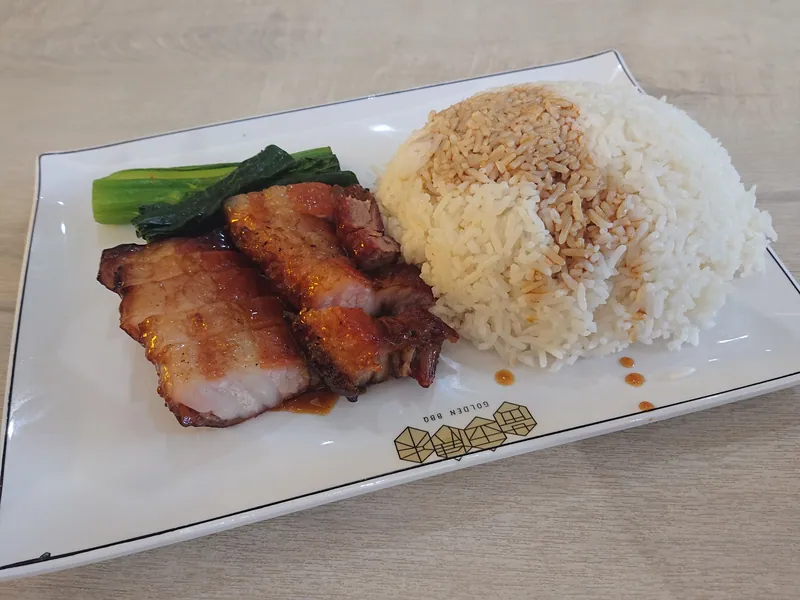
Oven-roasted pork belly takes on a glossy honey-soy char while jasmine rice and crisp-tender gai lan turn it into a complete takeout-style dinner at home.
 45 min
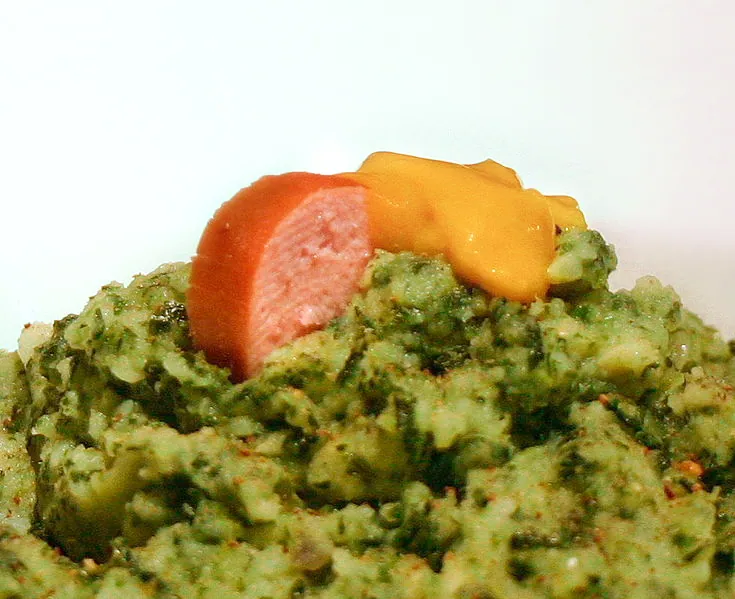
Fluffy potatoes and kale mash into a buttery Dutch comfort-food supper topped with hot smoked sausage and a bright spoonful of mustard.
 110 min
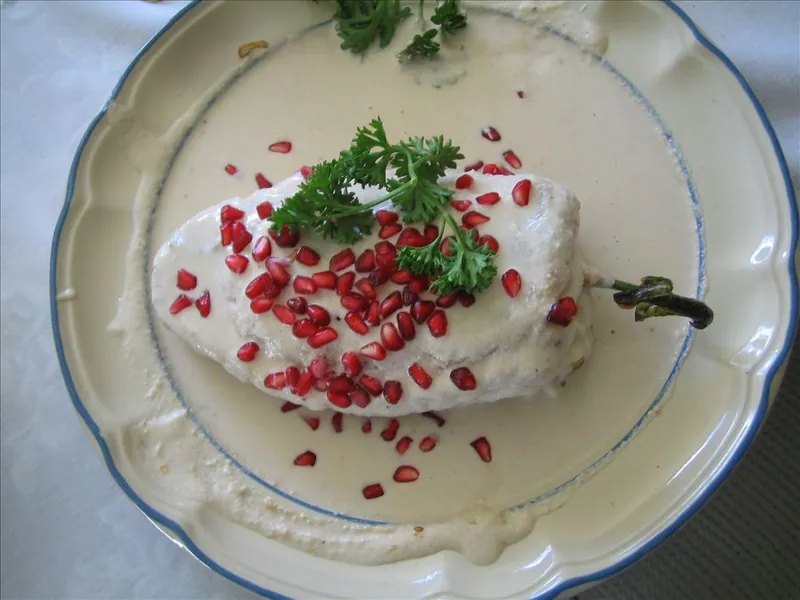
Roasted poblanos cradle a warmly spiced pork-and-fruit filling beneath cool walnut cream, pomegranate and parsley for a striking seasonal centerpiece.