 95 min
Egyptian Koshari with Crispy Onions & Garlic-Vinegar Sauce
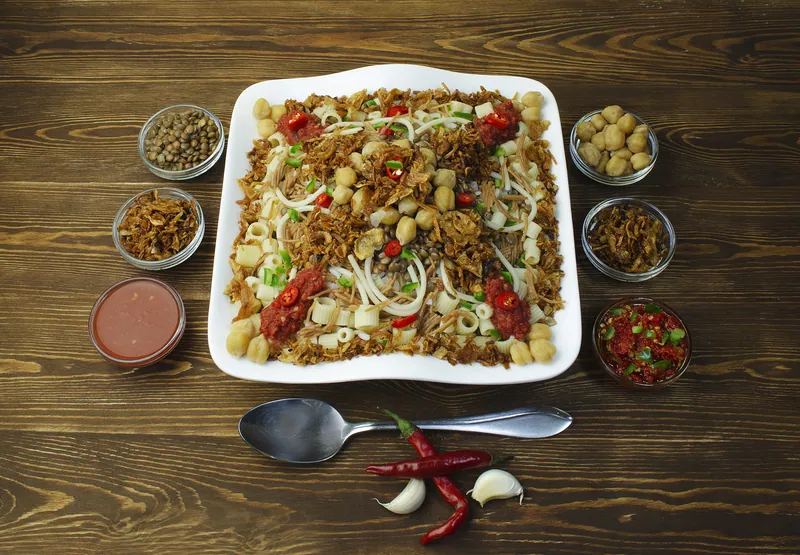
Egypt's layered vegan comfort bowl combines cumin-scented lentils and rice, macaroni, chickpeas, spicy tomato sauce and a generous crown of crisp fried onions.
Family Favorites
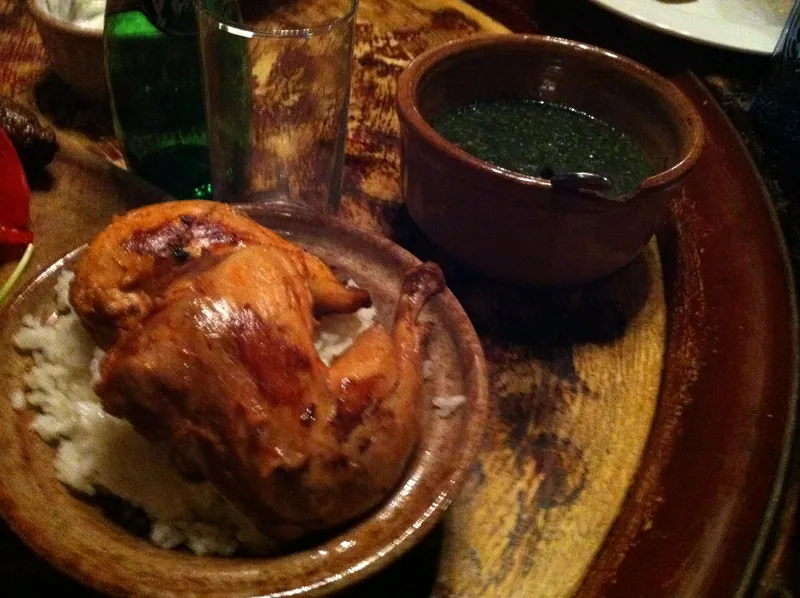
Silky chopped jute leaves simmer in freshly made chicken broth with a sizzling garlic-coriander finish, served beside fluffy vermicelli rice and the same deeply browned whole chicken shown in the finished-dish photograph.
Heat the oven to 450°F with a rack in the upper third. Do not rinse the chicken. Put it breast-side up in a heavy 8-quart stockpot with the cold water, onion, cardamom, bay leaves and 1 tablespoon salt. The water should just cover the chicken; add only enough extra water to submerge any exposed breast meat. Wash your hands and sanitize every surface touched by raw poultry before continuing.
Bring the pot just to a simmer over medium-high, skimming the gray foam that rises. Reduce to low, partially cover and maintain a quiet simmer—small bubbles, never a rolling boil—for 40 minutes. Begin checking with a clean instant-read thermometer: insert it into the deepest breast and the innermost thigh without touching bone. Continue in 5-minute increments until both places reach at least 165°F, usually 45 to 55 minutes total at a simmer.
Lift the chicken onto a rimmed roasting pan and blot the skin very dry. Rest it 10 minutes while you pour the broth through a fine-mesh strainer into a heatproof bowl; discard the onion, cardamom and bay. Measure 7 cups broth. If evaporation leaves you short, add hot water only to reach 7 cups. Keep 4 cups hot for the molokhia and reserve 3 cups for the rice.
Melt 1 tablespoon ghee and stir in the 1/2 teaspoon coriander and black pepper. Brush it over the chicken, including the legs and wings. Roast at 450°F for 12 to 16 minutes, until the skin is evenly golden-brown like the photographed dish. Recheck the breast and thigh; both must remain at or above 165°F. Rest the browned chicken 15 minutes before carving so its juices settle.
While the chicken browns, melt 2 tablespoons ghee in a 3-quart saucepan over medium. Add the broken vermicelli and stir for 2 to 3 minutes until evenly golden. Add the drained rice and stir 1 minute. Pour in the reserved 3 cups broth and add 1 teaspoon salt. Bring to a boil, cover, reduce to the lowest heat and cook 16 minutes. Remove from the heat and rest, still covered, 10 minutes before fluffing with a fork.
Bring the reserved 4 cups broth to a gentle simmer in a 4-quart saucepan. Whisk in the thawed molokhia a handful at a time until smooth, then add 1 teaspoon salt. Cook over low for 5 to 7 minutes, stirring often, until steaming and cohesive. Keep it below a rolling boil; hard boiling dulls the green color and can make the leaves separate from the broth.
Melt the remaining 2 tablespoons ghee in a small skillet over medium-low. Add the garlic and 2 teaspoons coriander; cook, stirring constantly, for 60 to 90 seconds until fragrant and pale gold, not brown. Scrape the sizzling mixture into the molokhia, stir for 2 minutes over low heat and remove from the burner. Taste once the garlic is distributed and add the remaining 1/2 teaspoon salt only if needed.
Mound the vermicelli rice on a warm platter and arrange the whole browned chicken over it for the photographed presentation, or carve first for easier serving. Ladle the dark-green molokhia into a separate warm bowl. Give each person rice, chicken and molokhia with lemon wedges, letting diners spoon the soup over the rice or eat it alongside. Do not leave the meal at room temperature longer than 2 hours total.
Useful kitchen gear
Compare the function and specifications first; skip anything your kitchen already handles well.
Separate the chicken, rice and molokhia into shallow containers within 2 hours and refrigerate at 40°F or below for up to 4 days. Reheat only the portions needed: cover the chicken and rice with a spoonful of broth and warm at 325°F until the chicken reaches 165°F, while warming molokhia gently on the stove without a rolling boil. Freeze chicken and molokhia separately for up to 2 months; freeze rice for up to 1 month. Thaw overnight in the refrigerator. The soup may look slightly separated after freezing, but gentle whisking as it reheats restores its body.
It was probably boiled hard or cooked too long. Thaw the chopped leaves, whisk them into gently simmering broth and keep the pot below a rolling boil. If it separates, remove it from the heat and whisk slowly; the texture usually comes back together even if the color is slightly duller.
Yes. Make all three components, cool them promptly and refrigerate separately. The chicken and broth actually benefit from a night of rest. Reheat the soup gently, warm chicken and rice covered with a splash of broth, and confirm the chicken reaches 165°F before serving.
The leaves taste earthy and green, somewhere between tender greens and a mild herbal tea, while garlic and coriander dominate the aroma. Their natural soluble fiber gives the broth a silky, lightly viscous body. That texture is characteristic, not a sign that the soup is undercooked.
Egyptian menu guide by meal role
Compare chicken-broth molokhia with browned whole chicken and vermicelli rice, pantry-driven vegan koshari with crisp onions and garlic vinegar, and syrup-soaked basbousa by meal role, core starch, active work, serving temperature and make-ahead strategy.
95 min
Egypt's layered vegan comfort bowl combines cumin-scented lentils and rice, macaroni, chickpeas, spicy tomato sauce and a generous crown of crisp fried onions.
 150 min
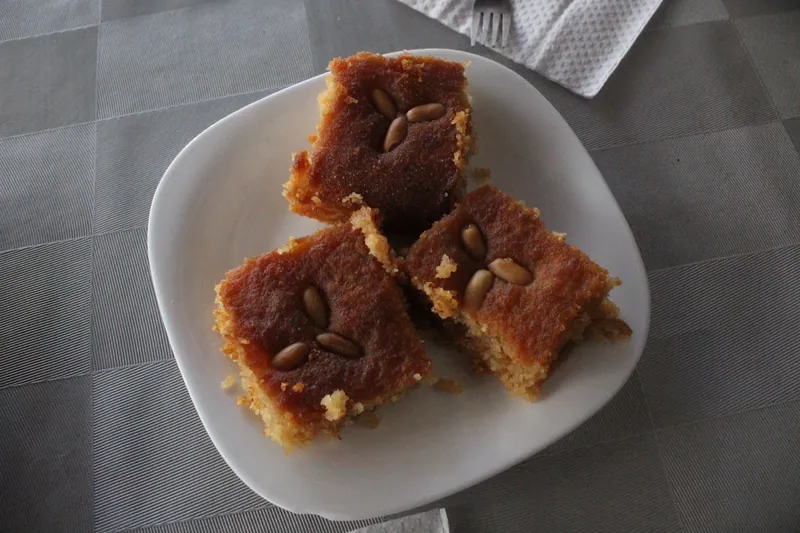
A buttery coarse-semolina cake bakes around toasted pine nuts, then drinks in a bright lemon syrup for crisp edges and a tender center.
Cook next
 55 min
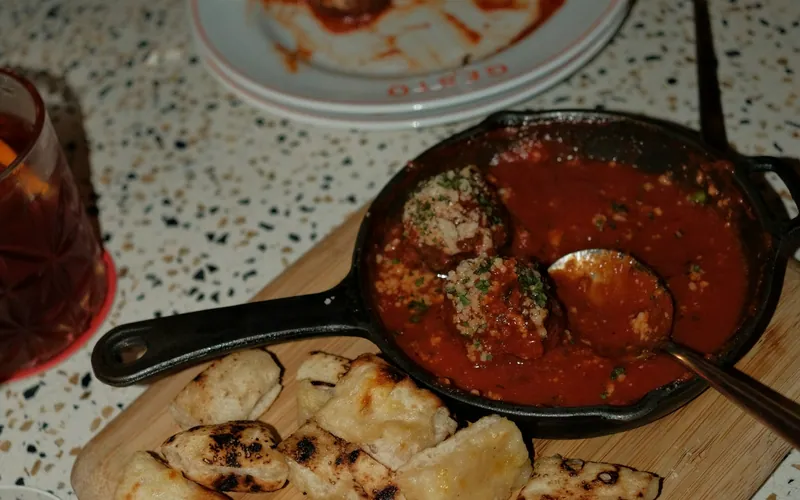
Tender herb-flecked chicken meatballs simmer in a bright tomato-basil sauce, with crisp garlic toast for scooping up every spoonful.
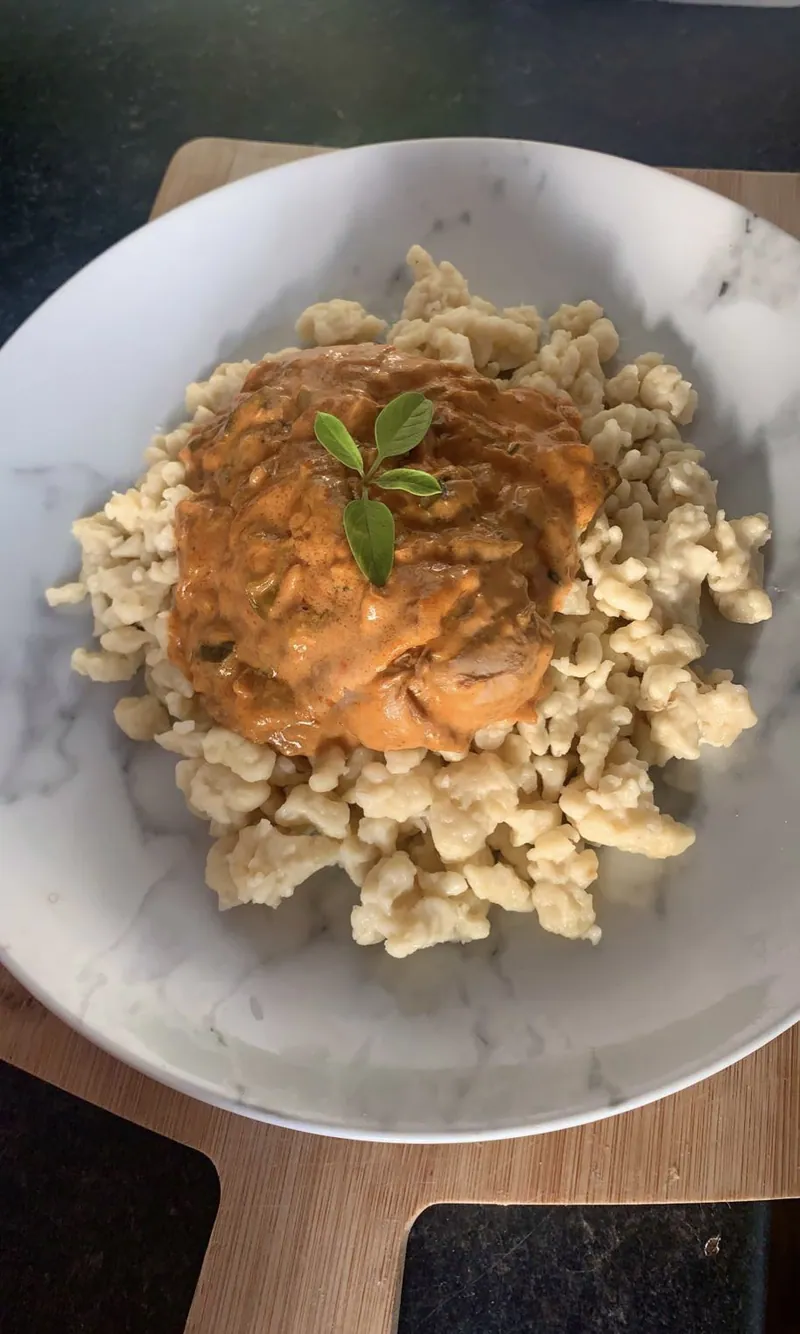 105 min
Tender bone-in chicken simmers in a brick-red sweet-paprika sauce, then meets soft hand-cut egg dumplings and a cool swirl of sour cream.
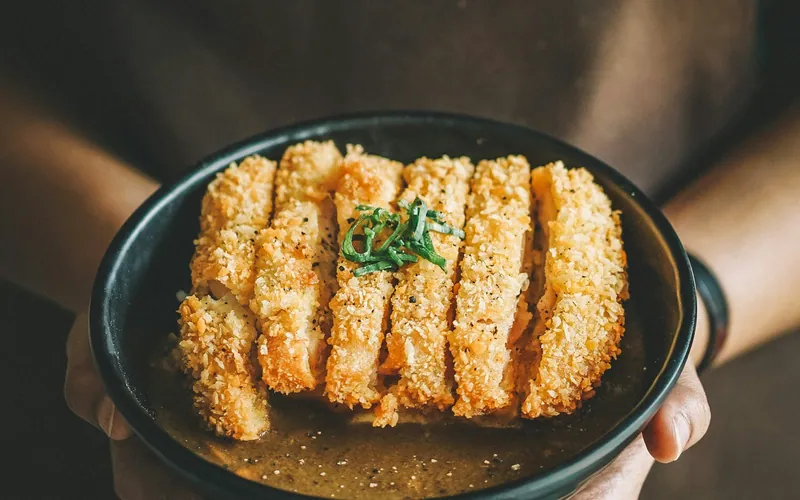 40 min
Juicy chicken cutlets wear a craggy panko crust and sit over a glossy homemade tonkatsu sauce sharpened with ginger, rice vinegar, scallions, and sesame.
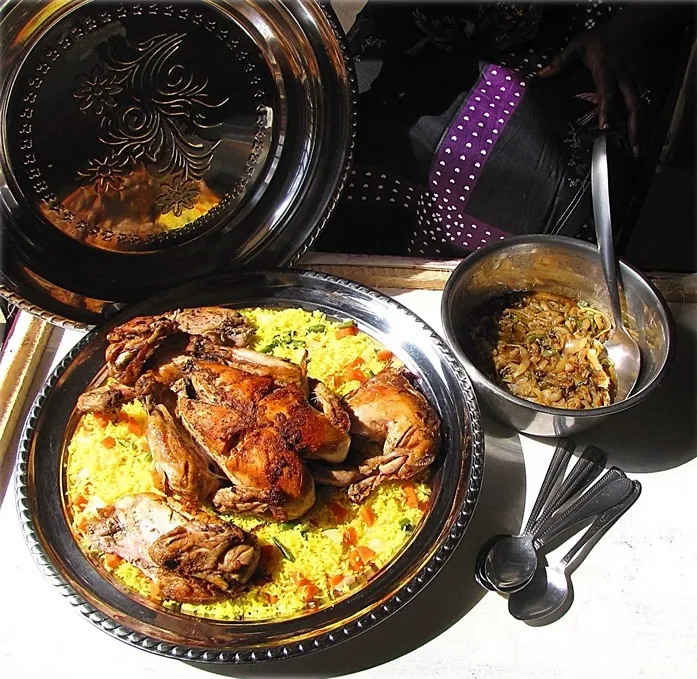 330 min
Lemon-mustard chicken roasts until deeply browned, then meets a generous slow-cooked onion sauce and turmeric rice for a bright family platter.