 37 min
Crispy Sheet-Pan Coconut-Lime Fish Tacos with Pineapple Slaw
Coconut-panko fish baked until crisp, tucked into warm tortillas with juicy pineapple slaw and a bright lime crema.
Sheet-Pan Dinners
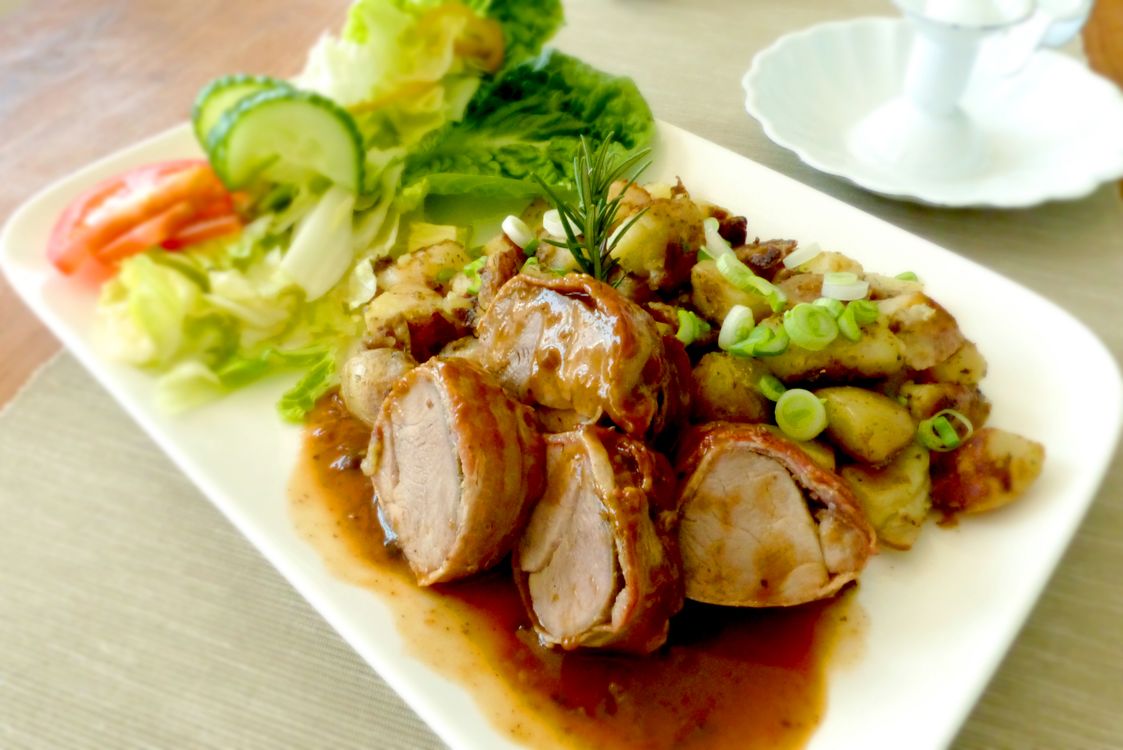
Juicy mustard-glazed pork tenderloin, crackly smashed potatoes, and blistered green beans finished with fresh dill on one sheet pan.
Heat the oven to 450°F with a rack in the upper-middle position. Put the potatoes in a saucepan, cover with cold water by 1 inch, season the water generously with salt, and bring to a boil. Simmer 12 to 15 minutes, until a paring knife slides in with slight resistance. Drain well and let steam-dry 5 minutes.
Stir the Dijon, maple syrup, garlic, smoked paprika, 1 tablespoon olive oil, 1/2 teaspoon kosher salt, 1/4 teaspoon black pepper, 2 tablespoons dill, and 1 teaspoon finely grated lemon zest. Reserve 1 tablespoon of this clean glaze in a small bowl before it touches the raw pork.
Place the potatoes on a heavy rimmed half-sheet pan and flatten each to about 1/2 inch thick with the bottom of a sturdy glass. Drizzle with 1 tablespoon oil and season with 1/2 teaspoon salt and the remaining black pepper. Roast 15 minutes.
Pat the pork dry and coat it all over with the larger portion of glaze. Carefully remove the hot pan, turn the potatoes, and clear the center for the pork. Toss the green beans and shallot with the remaining 1 tablespoon oil and remaining 1/2 teaspoon salt; arrange them around the pork without covering the potatoes.
Return the pan to the oven and roast 16 to 22 minutes, turning the pork once after 10 minutes, until its thickest part reaches 145°F and the beans are blistered. Transfer the pork to a board immediately. If the vegetables need more color, return the pan to the oven while the meat rests.
Rest the pork at least 3 minutes, then brush with the reserved clean glaze and slice across the grain into 1/2-inch medallions. Squeeze half the lemon over the beans and potatoes, scatter with the remaining dill, and serve with lemon wedges.
Useful kitchen gear
Compare the function and specifications first; skip anything your kitchen already handles well.
Refrigerate pork and vegetables in a shallow airtight container for up to 4 days. Reheat the potatoes and beans on a sheet pan at 400°F for 8 to 10 minutes. Add pork slices for only the final 3 to 4 minutes and heat leftovers to 165°F so the lean meat does not dry out. Freeze sliced pork for up to 2 months; potatoes are best refrigerated rather than frozen.
Color is not a reliable doneness test. Whole-muscle pork is safe when its thickest part reaches 145°F and then rests for at least 3 minutes; a faint pink center can remain at that temperature.
Not for the same texture and timing. Raw potatoes take longer to soften and will not smash cleanly. You can parboil them up to 2 days ahead, refrigerate them dry, and continue with the recipe when ready.
Move the pork to a board as soon as it reaches 145°F. Tent it loosely and let the potatoes roast 5 to 8 minutes longer; the pork can rest that long without becoming cold.
Cook next
37 min
Coconut-panko fish baked until crisp, tucked into warm tortillas with juicy pineapple slaw and a bright lime crema.
 50 min
Roasted chicken thighs, caramelized sweet potatoes, and asparagus finished with tangy hot-honey mustard.
 50 min
Crisp potato wedges and roasted broccoli meet quick-broiled ribeye and a glossy garlic-herb butter finish.
 25 min
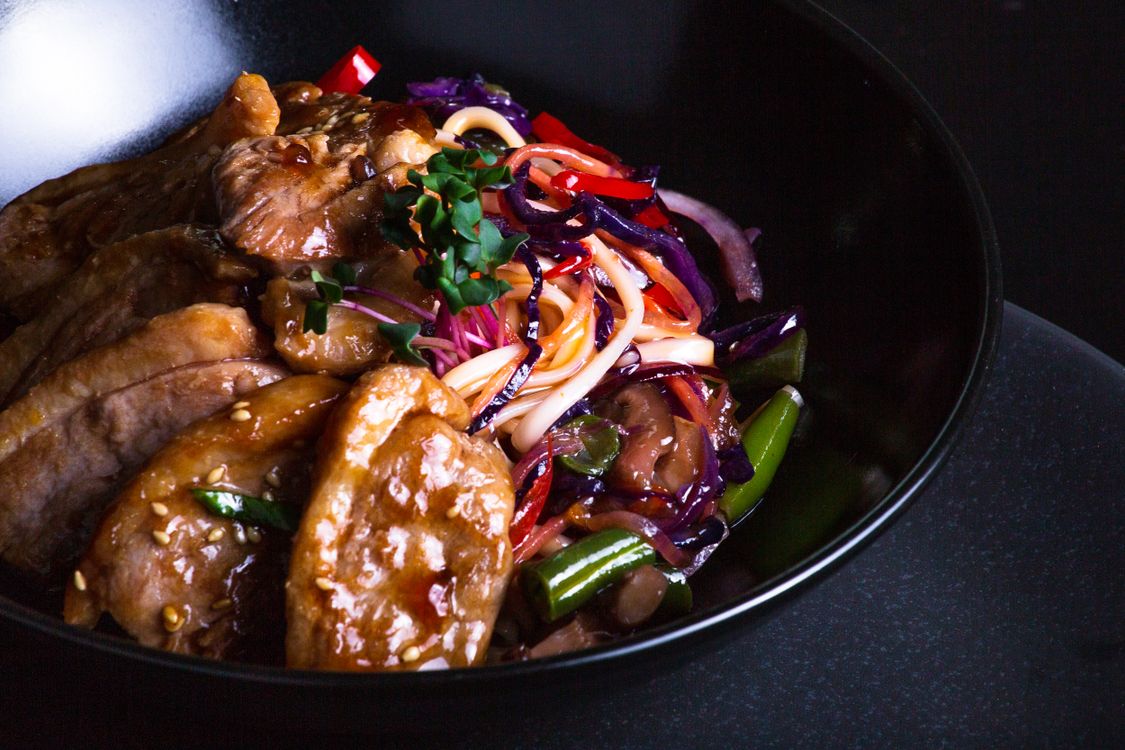
Savory pork, crisp cabbage, ginger, and sesame—everything you want from an egg roll, minus the wrapping and frying.