Select Sauté on a 6-quart electric pressure cooker. Add the oil, onion and carrots and cook for 4 minutes, stirring, until the onion softens. Add the garlic and cook 30 seconds. Cancel Sauté.
Deglaze and layer
Pour in the broth and water and scrape the base until completely clean. Add the beets, potatoes, bay leaves, 1 teaspoon salt and black pepper. Spoon the diced tomatoes and tomato paste over the vegetables without stirring them into the base. Keep the contents below the model's maximum-fill line.
Pressure cook and release
Lock the lid and cook on High Pressure for 6 minutes; allow about 12 to 15 minutes to reach pressure. Let pressure release naturally for 10 minutes, then vent the remainder in short controlled pulses with hands and face away from steam. Pause if liquid sputters and open only after the float valve drops.
Finish the cabbage and beans
Discard the bay leaves. Select Sauté on Low and stir in the cabbage, beans, vinegar, sugar and remaining 1/2 teaspoon salt. Simmer uncovered for 5 to 7 minutes, until the cabbage is tender but not limp and the beans are hot.
Balance and serve
Cancel Sauté and stir in the dill. Taste and add vinegar for brightness, salt for savoriness or a pinch more sugar only if the beets need balance. Ladle into bowls and serve with sour cream and bread; offer horseradish or hot sauce at the table.
Why this works
Why it worksBeets and potatoes pressure-cook in ample thin broth, while tomato solids stay on top of the clean base to reduce burn-warning risk.
Why it worksCanned beans and cabbage go in after pressure, so the beans stay intact and the cabbage retains texture instead of turning sulfurous and soft.
Why it worksVinegar added after pressure preserves its bright acidity and balances the natural sweetness of beets, carrots and tomatoes.
Useful kitchen gear
Tools that make this easier.
Compare the function and specifications first; skip anything your kitchen already handles well.
Paid links: As an Amazon Associate I earn from qualifying purchases. You pay no additional cost.
Use drained navy beans or great northern beans in place of cannellini beans; add them only after pressure as written.
For a dairy-free bowl, use unsweetened plant-based yogurt or omit the creamy garnish entirely.
Golden beets work with the same timing, though the finished soup will be amber rather than ruby.
Cook notes
Total time includes about 12 to 15 minutes to pressurize, the 6-minute cycle, a 10-minute natural release and the final cabbage simmer.
Beet juice stains porous surfaces. Use a washable cutting board and rinse the cooker lid and silicone ring soon after cooking.
The base is family-mild; horseradish, hot sauce and extra black pepper belong at the table.
Written for a 6-quart electric pressure cooker. Follow your model manual's minimum-liquid, fill-limit and venting rules and never force the lid.
Do not substitute dry beans at the same timing. Dry beans need a separate, longer pressure cycle and must remain below the half-full line because they expand and foam.
Storage
Cool in shallow containers within 2 hours and refrigerate for up to 5 days. Reheat on the stovetop or in the microwave until the soup reaches 165°F, adding a splash of broth if it thickens. Freeze without sour cream for up to 3 months; thaw overnight and add fresh dill after reheating.
Questions
Can I grate the beets instead of cubing them?
Yes. Coarsely grated beets cook faster and will nearly dissolve, making a more uniform broth. Keep the programmed time the same so the potatoes still become tender.
Why is my borscht brown instead of bright red?
Older beets, prolonged boiling and too little acid can dull the color. Add the vinegar only after pressure, avoid a long hard simmer and taste for a pleasantly bright finish.
Does borscht taste better the next day?
Yes. A chilled overnight rest melds the earthy, sweet and sour notes. Reheat only what you need to 165°F and add fresh dill and sour cream after heating.
Ukrainian comfort food by technique
Compare make-ahead beet borscht with crisp filled deruny
Choose pressure-cooked beet borscht with white beans and dill for a budget-friendly soup that improves after chilling, or skillet-fried grated potato pancakes with a thermometer-checked beef center for a crisp weekend dinner; compare active work, primary vegetable, protein, texture and reheating strategy.
Crisp-edged grated potato pancakes hide a savory beef-and-onion center, then finish in the oven for an evenly cooked middle before being served with cool sour cream, parsley and lettuce like the photographed Ukrainian plate.
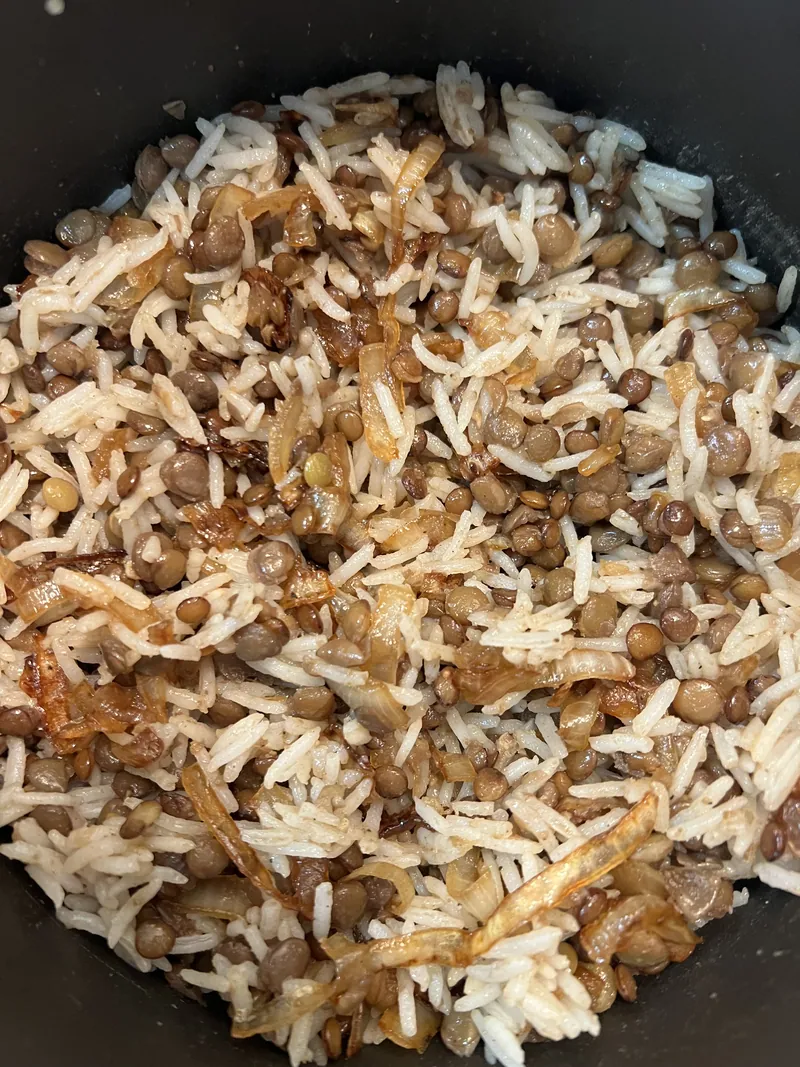
Brown lentils and basmati rice pressure-cook in two reliable stages while deeply caramelized onions and cool cucumber yogurt turn pantry staples into a complete meal.
Canned kidney beans turn into a thick, gently spiced North Indian-style tomato gravy while warm roti and an optional cool cucumber yogurt make it a complete busy-night meal.
Whole black gram and kidney beans turn velvety in a mild tomato-butter sauce, with garlic naan ready for scooping up every creamy spoonful.
⏱ 95 min$2.35/serving
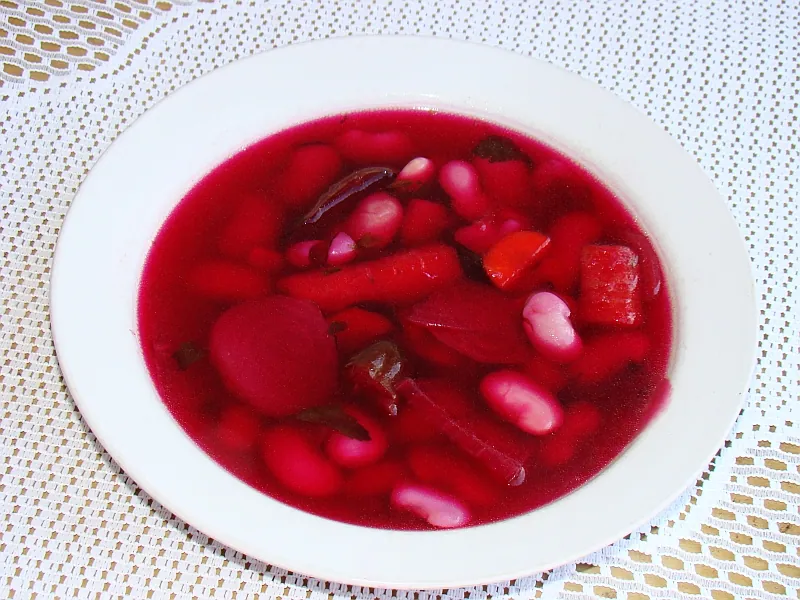
Instant Pot Ukrainian-Style Beet Borscht with White Beans & Dill
Screen stays awake when supported.
1. Sauté the aromaticsSelect Sauté on a 6-quart electric pressure cooker. Add the oil, onion and carrots and cook for 4 minutes, stirring, until the onion softens. Add the garlic and cook 30 seconds. Cancel Sauté.
2. Deglaze and layerPour in the broth and water and scrape the base until completely clean. Add the beets, potatoes, bay leaves, 1 teaspoon salt and black pepper. Spoon the diced tomatoes and tomato paste over the vegetables without stirring them into the base. Keep the contents below the model's maximum-fill line.
3. Pressure cook and releaseLock the lid and cook on High Pressure for 6 minutes; allow about 12 to 15 minutes to reach pressure. Let pressure release naturally for 10 minutes, then vent the remainder in short controlled pulses with hands and face away from steam. Pause if liquid sputters and open only after the float valve drops.
4. Finish the cabbage and beansDiscard the bay leaves. Select Sauté on Low and stir in the cabbage, beans, vinegar, sugar and remaining 1/2 teaspoon salt. Simmer uncovered for 5 to 7 minutes, until the cabbage is tender but not limp and the beans are hot.
5. Balance and serveCancel Sauté and stir in the dill. Taste and add vinegar for brightness, salt for savoriness or a pinch more sugar only if the beets need balance. Ladle into bowls and serve with sour cream and bread; offer horseradish or hot sauce at the table.
 85 min