 220 min
Bakery-Style Cinnamon Rolls with Vanilla Cream Cheese Frosting
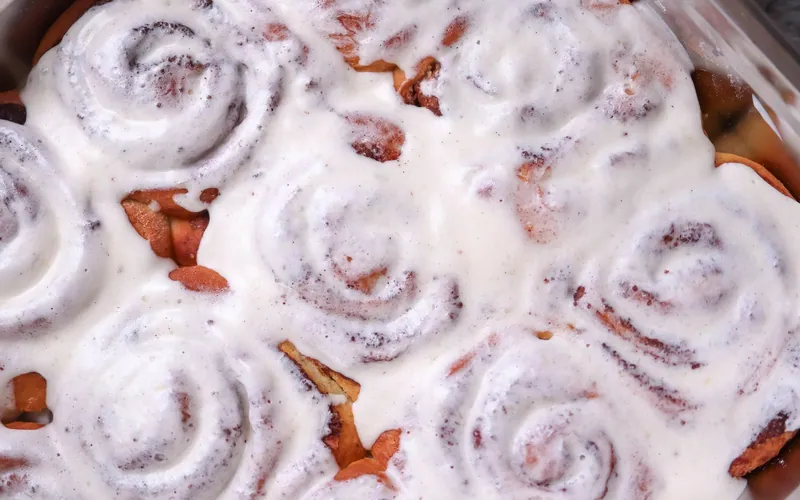
A tangzhong-enriched dough bakes into tall, pillowy cinnamon spirals under a generous blanket of tangy vanilla cream cheese frosting.
Dessert
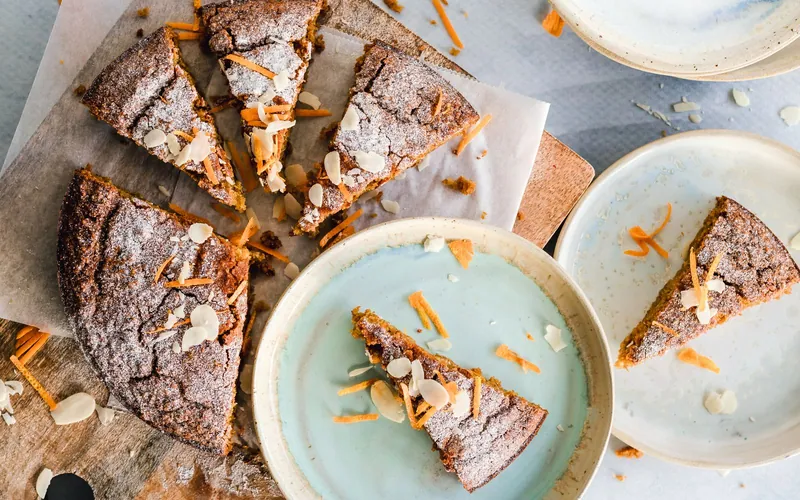
Whole simmered oranges and almond flour bake into an exceptionally moist, naturally gluten-free cake finished with orange syrup, almonds and powdered sugar.
Place the scrubbed whole oranges in a saucepan and cover them with at least 1 inch of water. Bring to a boil, reduce to a steady simmer and cook for 30 minutes. Drain, cover with fresh hot water and simmer for 30 minutes more; changing the water tempers bitterness from the peel.
Lift the oranges onto a plate and cool for 20 minutes. Quarter them, remove every seed and any hard stem nub, then purée the flesh and peel in a food processor until completely smooth. Measure 1 1/2 cups packed purée; reserve any extra for yogurt or oatmeal.
Heat the oven to 350°F with a rack in the center. Grease a 9-inch springform pan, line the bottom with parchment and grease the parchment. Set the pan on a rimmed sheet pan to catch any small leaks.
In a medium bowl, whisk the almond flour, baking powder and salt, breaking up every lump with your fingers. An even, fine mixture prevents dense pockets in the finished crumb.
In a large bowl, beat the eggs and 1 cup sugar with an electric mixer on medium-high for 4 to 5 minutes until pale, thick and tripled in volume. Beat in the vanilla and optional almond extract just until combined.
Fold the orange purée into the egg mixture with a wide spatula. Add the almond-flour mixture in three additions, folding gently from the bottom after each until no dry streaks remain. Pour into the prepared pan and smooth the top without knocking out the foam.
Bake at 350°F for 50 to 55 minutes until the top is deep golden, the center springs back lightly and a thin skewer emerges with moist crumbs but no wet batter. The center should register about 200°F to 205°F. Tent loosely with foil after 40 minutes if the top darkens too quickly.
While the cake bakes, simmer the orange juice and 3 tablespoons sugar for 3 to 4 minutes until clear and slightly reduced. Cool the cake in its pan for 20 minutes, prick the top with a skewer and brush over the warm syrup in several thin passes.
Run a thin knife around the edge, release the springform ring and cool the cake on its base for at least 55 minutes. Transfer to a plate only when completely cool, then dust with confectioners' sugar and scatter with toasted sliced almonds and fine orange zest before cutting.
Useful kitchen gear
Compare the function and specifications first; skip anything your kitchen already handles well.
Store the completely cooled cake tightly covered at room temperature for up to 2 days or refrigerate for up to 5 days. Bring chilled slices to room temperature for 20 minutes before serving. Freeze individual unfrosted slices tightly wrapped for up to 2 months; thaw overnight in the refrigerator, then add powdered sugar and almonds after thawing.
The oranges may have had thick pith, a seed may have been puréed, or the simmering water was not changed. Choose thin-skinned fruit, remove every seed and use fresh water for the second 30-minute simmer.
A slight dip is normal in a flourless cake, but a deep crater usually means the eggs were under-whipped, the batter was overmixed or the center was underbaked. Beat to a thick ribbon and verify 200°F to 205°F before removing it.
Yes. Its moist crumb is especially good the next day. Bake and syrup the cake, cool completely and store covered; wait to add powdered sugar, toasted almonds and zest until shortly before serving.
Cook next
220 min
A tangzhong-enriched dough bakes into tall, pillowy cinnamon spirals under a generous blanket of tangy vanilla cream cheese frosting.
 420 min
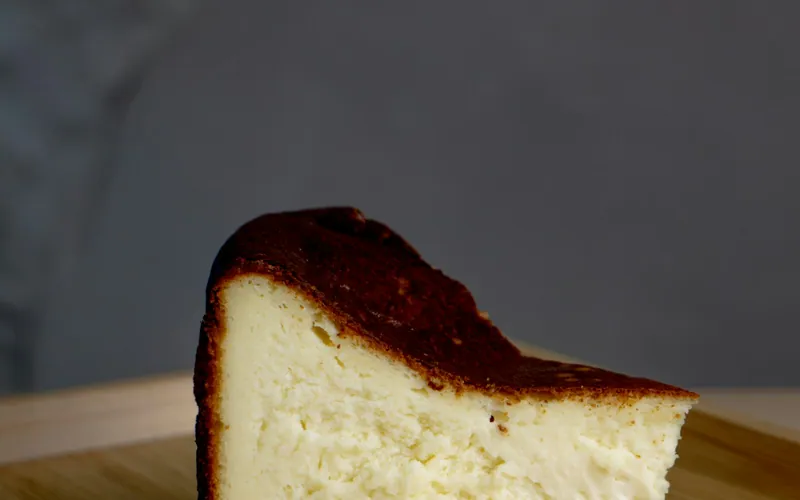
A deeply bronzed, parchment-crinkled top gives way to a custardy vanilla-lemon center—dramatic enough for company and deliberately free of a fussy crust.
 150 min
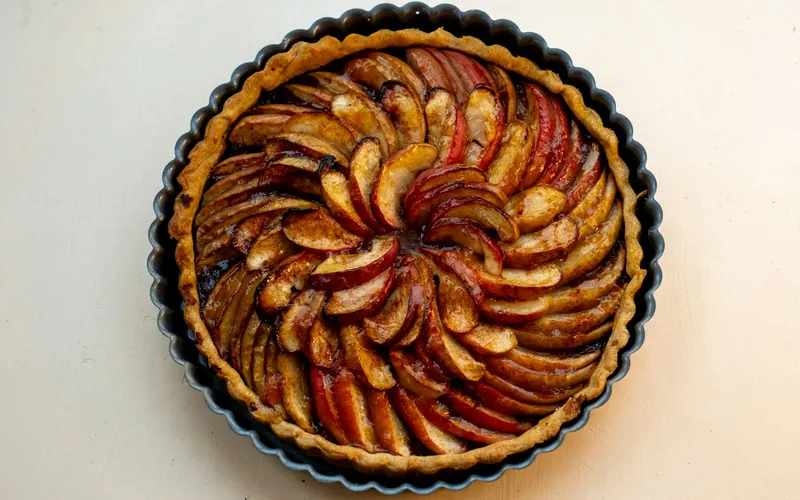
Thin red-skinned apples spiral over a crisp, tender shortcrust, then emerge bronzed and glossy beneath a warm apricot glaze—a bakery-worthy tart with precise make-ahead timing.
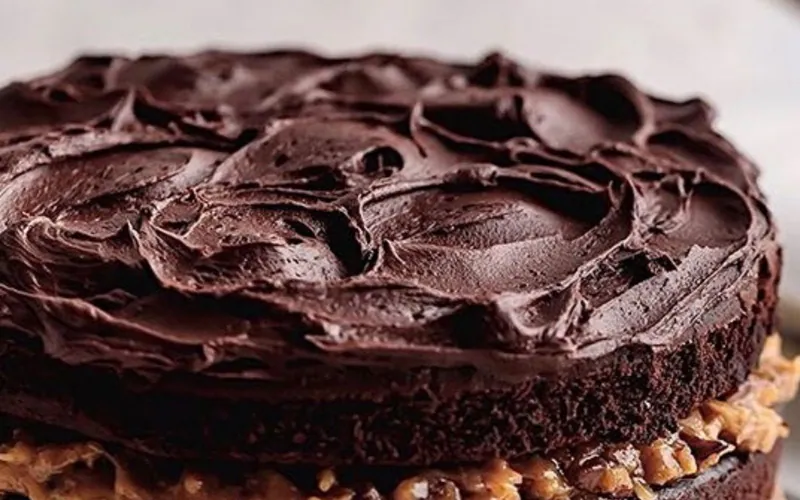 210 min
Three tender cocoa layers sandwich toasted walnuts and whipped ganache beneath dramatic dark-chocolate swirls—a celebration cake with reliable weight measurements and a calm make-ahead plan.