 75 min
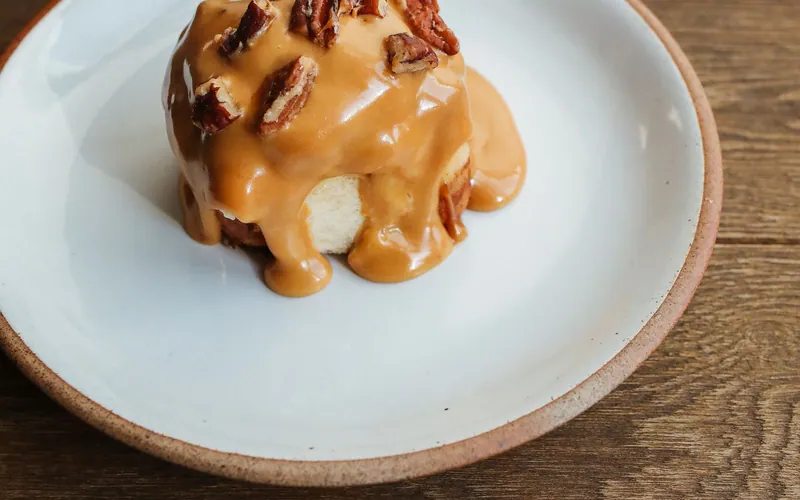
Warm Sticky Toffee Pudding with Pecan Toffee Sauce
Soft individual date puddings are unmolded beneath a glossy brown-sugar toffee sauce and toasted pecans for a make-ahead British-inspired dessert.
Dessert
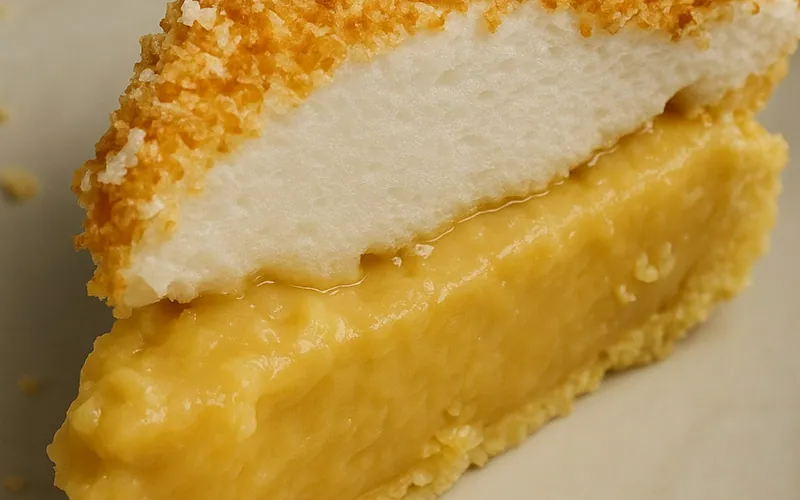
A crisp coconut-graham crust holds silky lemon filling beneath a tall cooked meringue and a crackly layer of golden toasted coconut.
Heat the oven to 350°F. Spread all 3/4 cup coconut on a rimmed sheet pan and bake for 4 to 7 minutes, stirring every 2 minutes, until half the shreds are golden and half remain pale. Immediately transfer to a cool plate so residual heat does not burn them.
Combine the graham crumbs, 1/2 cup toasted coconut, 2 tablespoons sugar and 1/4 teaspoon salt. Stir in the melted butter until evenly damp. Press firmly across the bottom and 1 inch up the sides of a 9-inch pie plate using a flat measuring cup. Bake at 350°F for 10 minutes, then cool on a rack for 15 minutes.
Whisk 1 cup sugar, cornstarch and 1/4 teaspoon salt in a medium saucepan. Gradually whisk in the water until smooth. Cook over medium heat, whisking constantly, until the mixture reaches a full bubble and thickens enough to leave tracks, 6 to 8 minutes. Boil while whisking for 1 full minute to cook the starch.
Whisk the egg yolks in a heatproof bowl. Slowly whisk in 1 cup of the hot starch mixture, a few tablespoons at a time, then return everything to the saucepan. Cook over medium-low heat for 2 minutes, whisking constantly, until glossy and thick. Do not allow the egg mixture to scorch.
Remove from the heat and whisk in the lemon juice, zest and 3 tablespoons butter until smooth. Pour the hot filling into the cooled crust and smooth the top. Press parchment directly onto the surface while preparing the meringue so a skin does not form.
Combine the egg whites, 1 cup sugar, cream of tartar and 1/8 teaspoon salt in a spotless heatproof mixing bowl. Set over a saucepan holding 1 inch of barely simmering water; the bowl must not touch the water. Whisk continuously until the sugar dissolves and the mixture reaches 160°F, 5 to 8 minutes.
Remove the bowl from the heat, add vanilla and beat with an electric mixer on high for 5 to 7 minutes, until the meringue is glossy, forms stiff peaks and the bowl no longer feels hot. Do not underwhip; the finished topping must hold a clean ridge.
Remove the parchment from the still-warm filling. Spoon the meringue around the outer edge first, pressing it firmly against the crust to make a complete seal, then mound the rest in the center. Sprinkle the reserved 1/4 cup toasted coconut evenly over the entire top to create the golden textured layer visible in the finished slice.
Let the pie cool on a rack for 45 minutes, then refrigerate uncovered for 3 hours until the filling is fully set. For neat slices, dip a thin knife in hot water and wipe it dry between cuts. Keep the pie refrigerated until serving.
Useful kitchen gear
Compare the function and specifications first; skip anything your kitchen already handles well.
Refrigerate the finished pie within 2 hours and keep it loosely covered for up to 3 days. For the cleanest meringue, insert toothpicks before draping plastic so the wrap does not touch the topping. Serve cold; do not reheat. Freezing is not recommended because the lemon filling can release water and the meringue becomes rubbery after thawing.
Undissolved sugar, overbaking or temperature swings can cause beading. Heat the whites and sugar to 160°F while whisking, confirm the grains dissolve, spread the meringue over warm filling and cool the pie away from drafts.
Yes. It slices best after an overnight chill, although the meringue is most pristine during the first 24 hours. Keep it refrigerated and protect the topping from direct contact with plastic wrap.
Before the yolks are added, it should bubble across the entire surface and a whisk should leave visible tracks. After tempering, two more minutes over medium-low heat should produce a glossy filling that falls from the whisk in thick ribbons.
Cook next
75 min
Soft individual date puddings are unmolded beneath a glossy brown-sugar toffee sauce and toasted pecans for a make-ahead British-inspired dessert.
 180 min
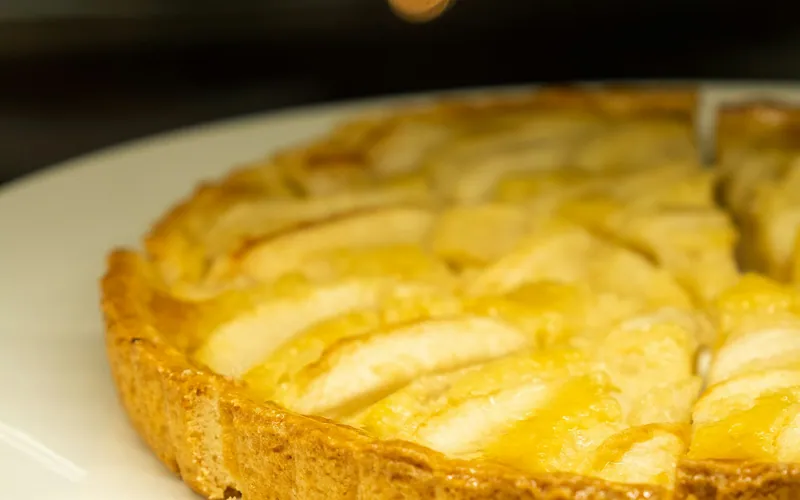
Buttery almond pastry holds a tender frangipane filling and overlapping slices of pear in a polished autumn tart that can be made a day ahead.
 50 min
Tender cheese doughnuts fry into crisp golden rings, each crowned with its little doughnut hole, cool sour cream and dark blueberry preserves.
 300 min
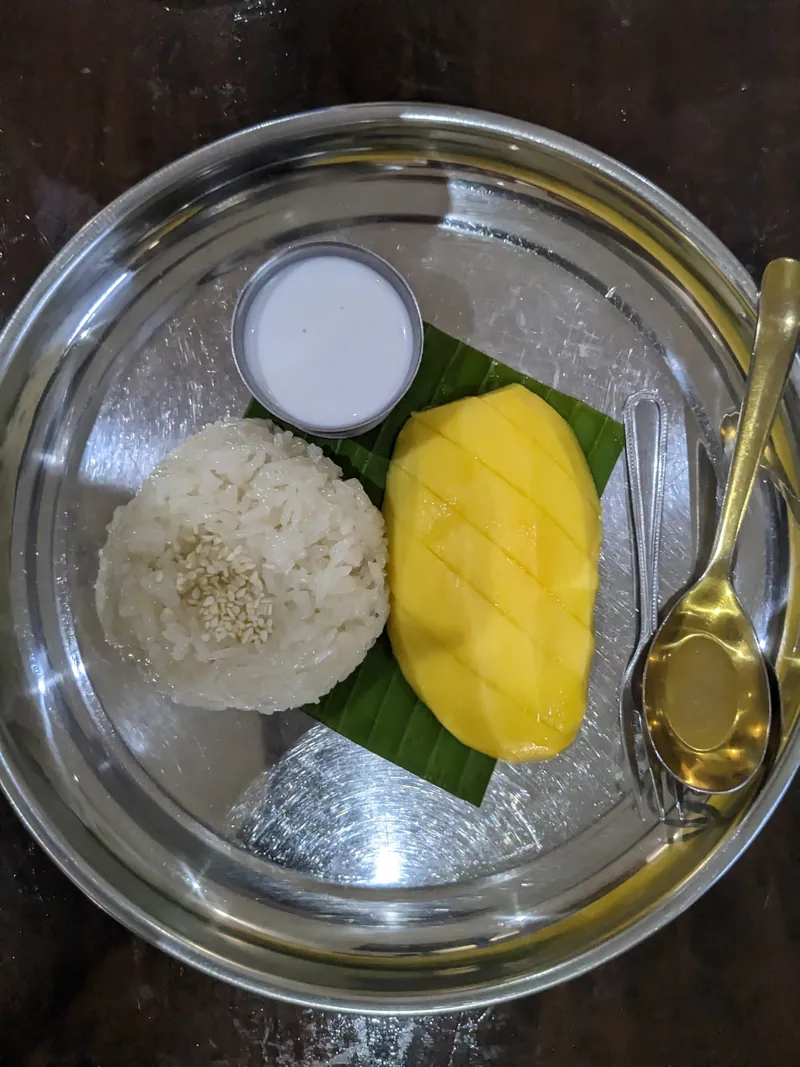
Steamed glutinous rice absorbs warm coconut syrup, then meets ripe mango, a lightly salted coconut topping and toasted sesame seeds.